
Walking Routes
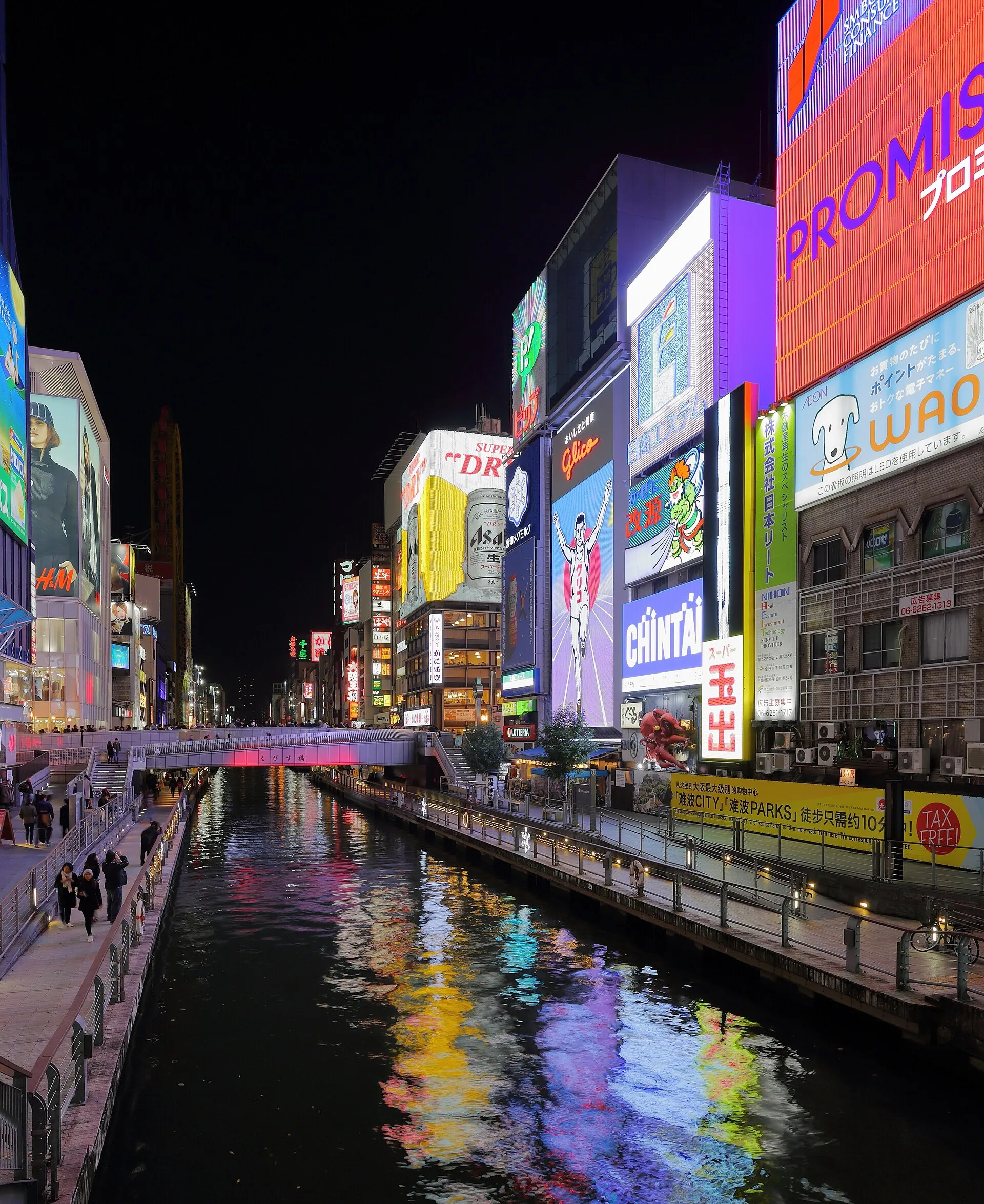
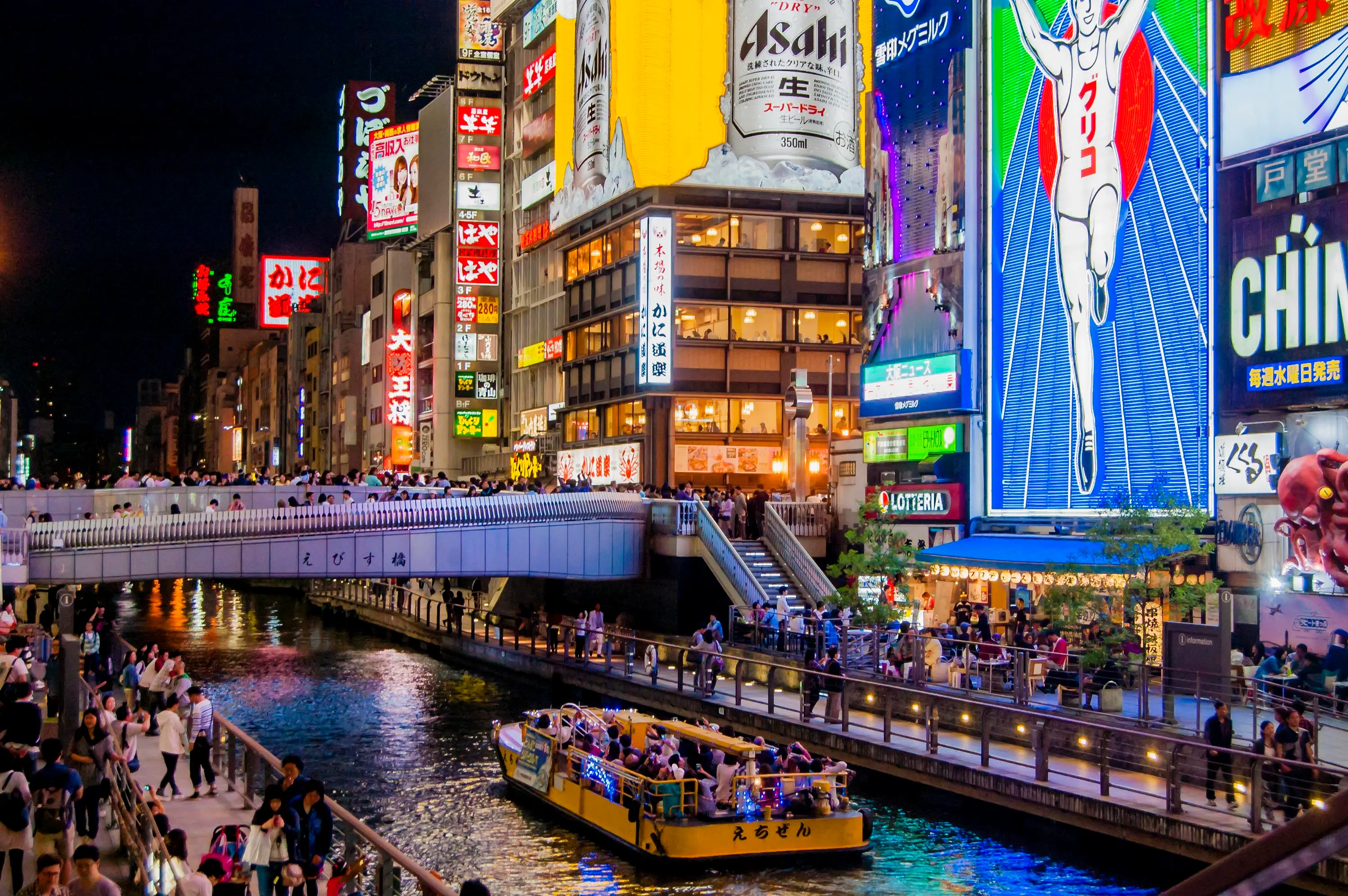
Start at Ebisu Bridge for the iconic Glico Running Man photo, then head west along the canal to explore the main 600m food strip. Detour one block north into Hozenji Yokocho, a narrow lantern-lit alley with a moss-covered Buddhist statue and intimate bars. Continue to the Kuromon Ichiba Market district for morning-fresh seafood. The side streets south of the canal hide some of Osaka's best kushikatsu joints with the strict "no double-dipping" sauce rule. End your walk at Shinsekai district for retro Osaka atmosphere and the city's best kushikatsu towers.
Local Life
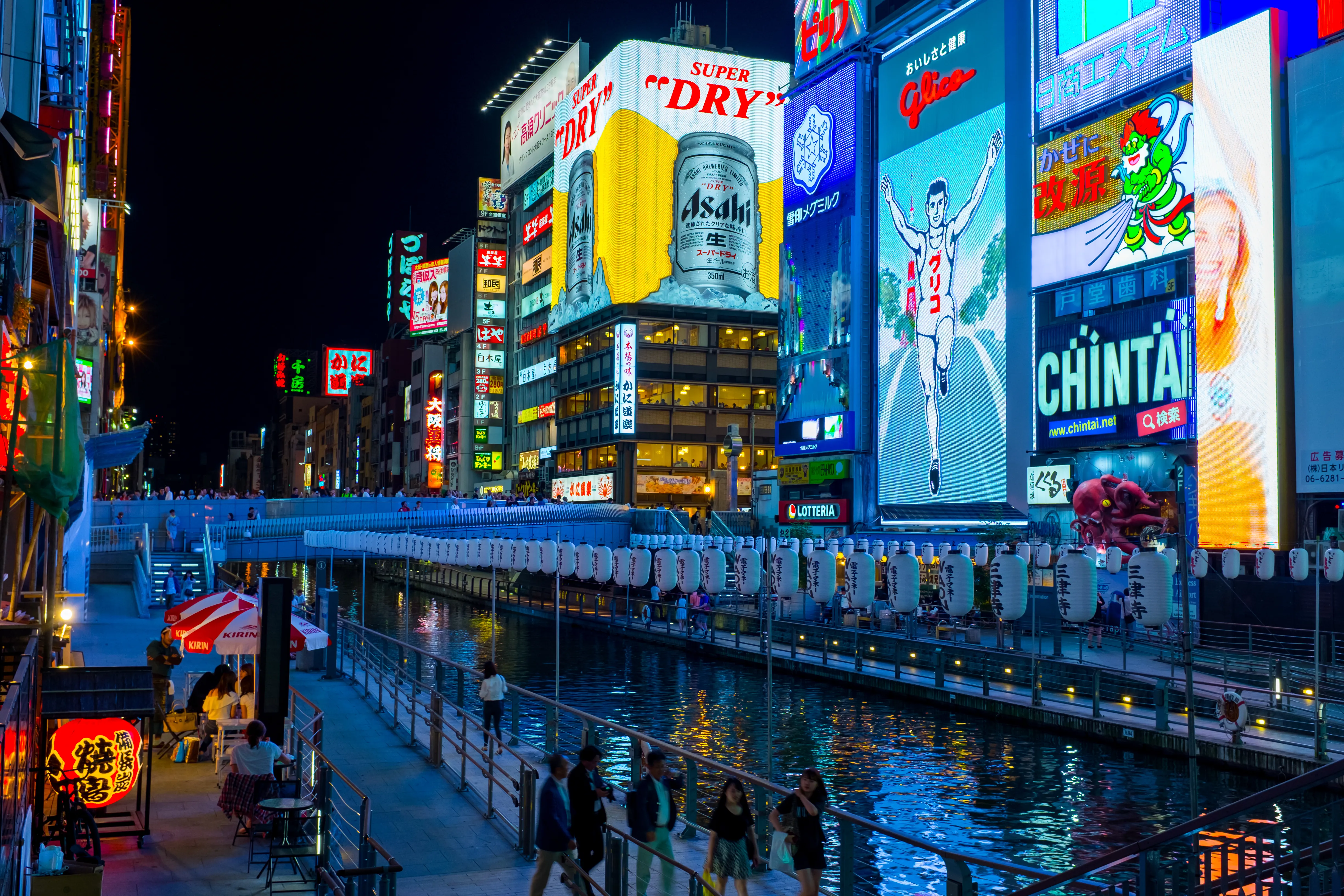
Takoyaki: Octopus balls — Osaka's signature dish, crispy outside and molten inside. Okonomiyaki: Savory pancake with cabbage, meat, and seafood, griddled tableside. Kushikatsu: Deep-fried skewers in every variety imaginable — the golden rule is no double-dipping in the communal sauce. Ramen: Rich tonkotsu broth noodles from shops that have perfected their recipe over decades. Beyond the food, Dotonbori's canal-side culture reflects Osaka's identity as Japan's merchant city, where entertainment and commerce have been inseparable for 400 years. The district's neon-gai (neon street) culture is distinctly Osakan — louder, more colorful, and more irreverent than anything in Tokyo.
Dotonbori in Pictures
When to Visit
Evening: 6-10 PM when neon signs light up. Lunch: 12-2 PM for authentic local spots. Late night: After 10 PM for local izakaya culture.
Admission and Costs
Street food: ¥300-800 per item ($2-6). Restaurant meals: ¥1,500-3,000. Food tour: ¥10,000-15,000 with tastings. Private guide: ¥25,000-35,000.
Tips for Visitors
Visit at night when the neon signs are fully lit and the atmosphere reaches its peak. The famous Glico Running Man sign is best photographed from Ebisu Bridge, where you can frame it against the canal reflections. Side streets one block north of the main strip have better food at lower prices, frequented by locals rather than tourists. Peak crowds hit around 7-9 PM on weekends, so arrive earlier or later for a more comfortable experience. The canal walk along the waterfront is less crowded than the main Dotonbori-suji street and offers a different perspective on the neon spectacle. Guides navigate crowds and language barriers — many vendors speak limited English, and most street vendors accept cash only.
Frequently Asked Questions
What months are best for experiencing Dotonbori's street food scene?
April through May and October through November are the sweet spot, with comfortable temperatures for strolling the neon-lit canal-side streets and sampling takoyaki, okonomiyaki, and kushikatsu from open-air stalls. Cherry blossom season in late March and April adds festive energy to the district. Dotonbori thrives year-round as an indoor-outdoor destination, though the rainy season in June and the intense August humidity can dampen the pleasure of extended street-food grazing.
What time of day is best for exploring Dotonbori?
Evening: 6-10 PM when neon signs light up. Lunch: 12-2 PM for authentic local spots. Late night: After 10 PM for local izakaya culture
How much should visitors budget for Dotonbori?
Street food: ¥300-800 per item ($2-6). Restaurant meals: ¥1,500-3,000. Food tour: ¥10,000-15,000 with tastings. Private guide: ¥25,000-35,000
What insider tips help visitors navigate Dotonbori on their own?
Visit at night when the neon signs are fully lit. The famous Glico Running Man sign is best photographed from Ebisu Bridge. Side streets one block north have better food at lower prices, frequented by locals rather than tourists.