
Historical Significance
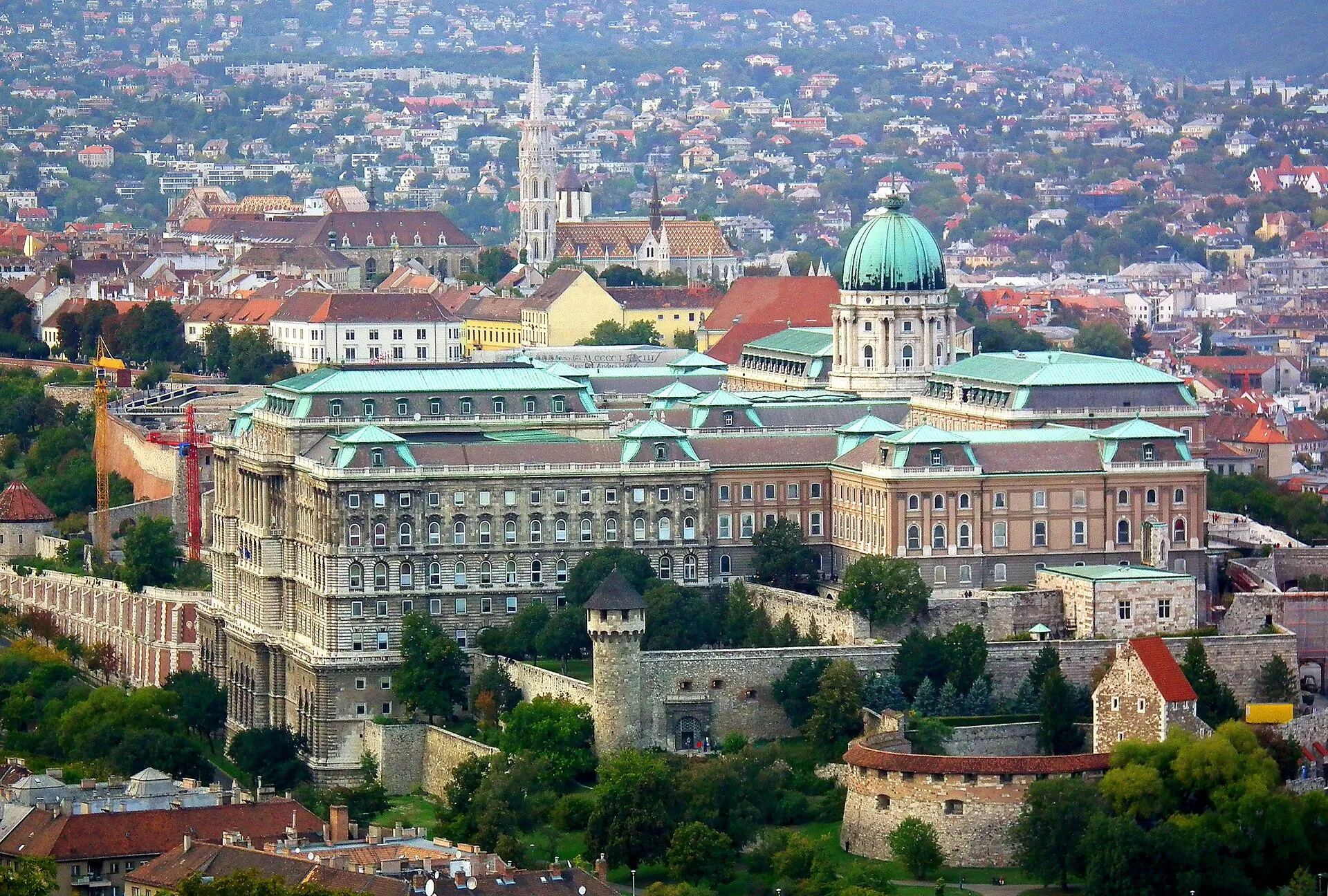
Buda Castle represents the layered history of Hungary more completely than any other single site. The medieval remains in the Budapest History Museum's lower levels include Gothic halls and vaulted cellars from the Matthias Corvinus palace — a reminder that the present Baroque exterior conceals a Renaissance complex that was the equal of anything in Western Europe in the late fifteenth century. The castle's reconstruction after the Ottoman occupation (1541–1686) was a Habsburg project, and the resulting Baroque and neo-Baroque architecture reflects the Austro-Hungarian cultural program that reshaped Budapest in the nineteenth century. The 2024 restoration of the castle has opened new sections to the public and revealed previously buried medieval structures; the ongoing archaeological work continues to uncover layers beneath the nineteenth-century floors.
When to Visit
The castle hill is open at all hours for walking — the exterior, Matthias Church courtyard, and Fisherman's Bastion can be visited any time. Hungarian National Gallery: Tuesday–Sunday 10 AM–6 PM, closed Monday. Budapest History Museum: Tuesday–Sunday 10 AM–6 PM, closed Monday. Matthias Church: Monday–Saturday 9 AM–5 PM; Sunday 1–5 PM (services permitting). Allow at least half a day for the hill itself with museums; a full day for a comprehensive visit. The castle district village within the walls — cobbled lanes, medieval and Baroque townhouses, small museums — can absorb several hours of pleasant wandering.
Admission and Costs
Walking the castle hill exterior is free. Hungarian National Gallery: 4,000 HUF adults / 2,000 HUF reduced. Budapest History Museum: 4,000 HUF adults / 2,000 HUF reduced. Matthias Church interior: 2,800 HUF (includes tower access). Funicular (Budavári Sikló): 1,400 HUF one way / 2,200 HUF return. Guided group tours of the castle district (2–3 hours): 4,000–8,000 HUF per person. Private guide (castle district and interiors): 20,000–35,000 HUF for up to 6 people.
The Case for a Guide
A guide on Castle Hill connects the visual complexity — the Gothic, Renaissance, Baroque, and modern layers coexisting in a few hectares — into a coherent narrative:
- Architecture decoding — Identifying the medieval originals from the Habsburg additions from the post-war reconstruction is genuinely difficult without expert knowledge
- Hungarian National Gallery highlights — The collection spans medieval altarpieces to twentieth-century masters; a guide focused on the most significant works saves time and adds context
- Royal court history — The story of Matthias Corvinus's Renaissance court, the Ottoman transformation of the palace into a garrison, and the Habsburg reconstruction are all embedded in the physical fabric
- Panoramic context — From the Fisherman's Bastion terrace and the castle walls, a guide can orient visitors to the Chain Bridge, the Parliament, the bridges, and the city's districts visible below
Tips for Visitors
Visit Fisherman's Bastion early morning for the best light on the Parliament building across the river — the neo-Gothic turrets make an excellent foreground. The bastion terrace charges a small entry fee in season for the upper walkways; the lower terrace remains free. The cobbled streets of the Castle District village (the area between Matthias Church and the castle museum entrance) contain small specialist museums — including a wine cellar, a labyrinth cave network, and a hospital in the rock museum — that reward exploration. The hospital in the rock (Sziklakórház) is a Cold War–era bunker museum beneath the castle that offers an entirely different perspective on the hill's function in the twentieth century.
Frequently Asked Questions
When is the best time to visit Buda Castle?
Weekday mornings avoid the busiest tour groups; the Hungarian National Gallery and History Museum open at 10 AM Tuesday through Sunday. The castle hill exterior — Matthias Church, Fisherman's Bastion, and the terraces overlooking the Danube — is magnificent at any hour, but particularly beautiful at dawn when few visitors are present and the light catches the Parliament building and Chain Bridge below. Evening visits (5–8 PM in summer) offer long golden light and spectacular sunset views across Pest.
How do you get up to Castle Hill?
Three ways: the historic funicular (Budavári Sikló) from the base of the Chain Bridge on the Buda bank — a 90-second ride and a genuine Budapest institution; a direct minibus (Várbusz) from Moszkva tér; or on foot via cobbled paths that take 10–15 minutes. The funicular requires a separate ticket (around 1,400 HUF one way) and queues can be long in summer. Walking is free and takes you through the most scenic approach through the castle walls.
What museums are inside Buda Castle?
The Hungarian National Gallery (Magyar Nemzeti Galéria) occupies the central and largest wing of the castle, with a collection spanning medieval Hungarian art through twentieth-century painting and sculpture. The Budapest History Museum (Budapesti Történeti Múzeum) in the southern wing tells the story of the city across its Roman, medieval, Ottoman, and modern layers. Both are substantial museums requiring 2–3 hours each to visit properly.