
Planning the Perfect Trip to Naples
A practical Naples planning guide covering tour choices, the best months to visit, realistic budgets, and getting around the city and bay.
Updated · 8 min read
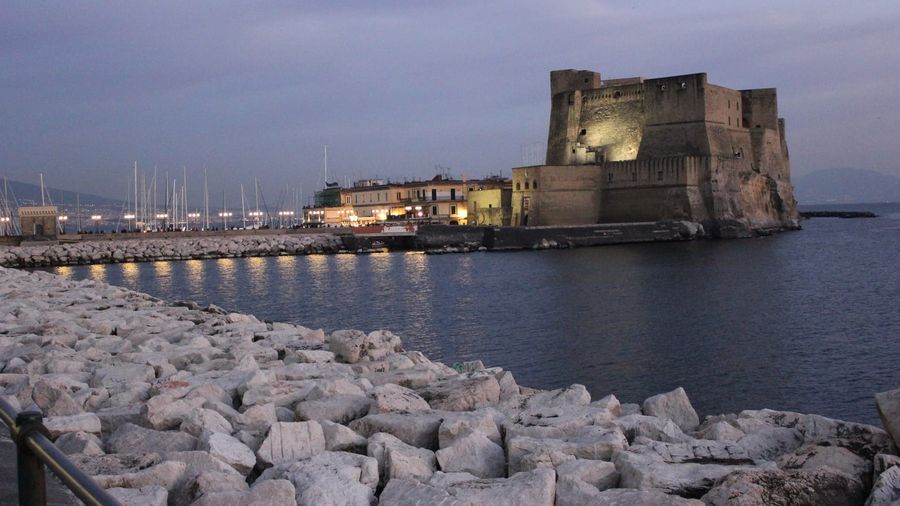
Plan Naples in three layers: the chaotic historic centre on foot, a Pompeii or Herculaneum day trip by train, and the bay's islands by ferry. Visit from April to June or in September and October, book a licensed guide for the archaeological sites, and budget for the fact that the city's best food is among its cheapest.
Naples rewards travellers who plan loosely but deliberately. The Naples city guide and the wider Italy overview set the scene; this guide turns that context into decisions — which tours to book, when to come, what it costs, and how to move between the centro storico, the ancient sites, and the water. Treat it as a framework you can bend once you arrive and the city's own rhythm takes over.
How do you choose the right Naples tour?
Match the tour to the place: licensed archaeology guides for Pompeii and the museum, a walking guide for the tangled historic centre, and a combined day tour if your time is short. Italian law requires a Guida Turistica Abilitata for guiding inside archaeological sites and museums, so a badge is your first quality check.
The prices below reflect typical rates quoted by local operators. Group tours are the budget option; private guides cost more but adapt the route to your interests and pace.
| Tour type | Typical price | Good for |
|---|---|---|
| Group walking tour | €25–45 per person | First orientation to the centro storico |
| Private Pompeii guide | €200–350 (up to 6) | Decoding the ruins in depth |
| Private Naples walking tour | €180–280 (up to 6) | Hidden courtyards and churches |
| Full-day Pompeii + Naples | €400–600 (up to 6) | Covering both in one trip |
For Pompeii and the National Archaeological Museum, confirm whether site entry is bundled into the fee — Pompeii (about €18) and the museum (about €18) are often billed separately. The ruins stretch across 66 hectares with little signage, so a guide here earns their fee more clearly than almost anywhere else in Italy.
One tour is worth singling out: the guided descent into Napoli Sotterranea, the Greek quarries and Roman aqueducts carved 40 metres below the centre and later used as wartime shelters. You can only visit with a guide, and the tunnels stay mild year-round, which makes them a reliable option on a rainy or scorching day.
When is the best time to visit Naples?
Late April to June and September to October are the sweet spots: warm days, swimmable seas, and thinner crowds at the exposed ruins. July and August bring fierce heat with almost no shade at Pompeii or on Vesuvius, while winter is quiet, cheap, and surprisingly rewarding.
| Season | Weather | Crowds | Notes |
|---|---|---|---|
| Apr–Jun | Warm, mild | Moderate | Wildflowers at the ruins, Maggio dei Monumenti festival |
| Jul–Aug | Hot, exposed | Heavy | Start at opening; some pizzerias close for ferie |
| Sep–Oct | Warm, calm | Easing | Sea still swimmable; San Gennaro feast on 19 September |
| Nov–Mar | Cool, wet spells | Light | Short museum queues, Christmas presepe season |
Autumn is my quiet favourite. The sea off Posillipo stays warm into October, the coach tours thin out, and on 19 September crowds pack the Duomo hoping to see the dried blood of San Gennaro liquefy. If you can only travel in summer, reach the ancient sites at opening time and carry more water than you think you need.
What will a Naples trip cost?
Naples is one of Italy's better-value cities: lodging and food run well below Rome or Florence, and its signature experiences — pizza, street food, churches — cost little or nothing. The table gives rough per-person daily ranges excluding flights.
| Budget level | Per person / day | What it covers |
|---|---|---|
| Budget | €55–90 | Hostel or B&B, pizza and street food, transit pass |
| Mid-range | €90–180 | 3-star hotel, sit-down meals, one paid site or tour |
| Comfort | €180–350+ | Seafront hotel, private guiding, island day trips |
A pizza margherita at a classic pizzeria still costs only a few euros, and many traditional spots are cash-only, so carry some notes. The biggest discretionary line is private guiding; the biggest fixed cost is usually your hotel's location, since a seafront or centro storico room commands a premium over the areas near the station.
How do you get around Naples and the bay?
Buy one Unico Campania ticket and it covers the metro, the hillside funiculars, buses, and trams; the Circumvesuviana train and ferries handle everything beyond the city. Naples rewards walkers, but the terrain is steep and the old streets are relentless on the feet.
Metro Line 1 loops the centre with the Stazioni dell'Arte — Toledo, opened in 2012, is regularly named among Europe's most beautiful stations. Four funiculars climb to the Vomero, and the Alibus shuttle links Capodichino airport to the station and port in about 20 minutes.
For the ancient sites, the Circumvesuviana reaches Pompeii in roughly 35 minutes and continues to Sorrento for the Amalfi Coast. The train is dated and crowded, so keep bags zipped and close. Hydrofoils from Molo Beverello sail to Capri, Ischia, and Procida, and high-speed trains put Rome about 70 minutes away.
A standing caution: Naples has a genuine reputation for pickpocketing and scooter-borne bag-snatching around Napoli Centrale and on the Circumvesuviana. Keep valuables out of sight, stay alert in crowds, and the city's warmth comes through without incident.
Where should you base yourself?
Your neighbourhood choice is a trade-off between atmosphere and calm. The centro storico puts you inside the action; the seafront trades buzz for views and quiet; Vomero sits above the noise entirely.
The historic centre, threaded by the arrow-straight Spaccanapoli, is loud, theatrical, and closest to the churches, Napoli Sotterranea, and the pizzerias — ideal if you want to step out of your door into the thick of it. The Chiaia and Lungomare seafront is calmer and more elegant, with Castel dell'Ovo and the bay on your doorstep. Vomero, reached by funicular, offers residential quiet and panoramic terraces, at the cost of a short ride down to the sights each morning.
Which day trips should you prioritise?
Naples is the best hub in southern Italy, and most visitors build at least one or two days around leaving it. Rank them by how much ground you want to cover versus how much you want to slow down.
Pompeii is the headline: a Roman city frozen in 79 AD, 35 minutes away by train, and best seen with a guide who can bring the empty houses back to life. Herculaneum is smaller, better preserved, and less exhausting in heat. For scenery over ruins, continue to Sorrento and the Amalfi Coast, or take a ferry to Capri. If you have only one spare day, give it to Pompeii; if you have two, pair it with the islands or the coast.
Mount Vesuvius itself is a half-day add-on rather than a full excursion. Buses and shuttles climb from Pompeii or the city toward the crater car park, from where a gravel path leads to the rim and its view back across the bay. Wear proper shoes, book the timed entry in high season, and expect the summit to be windy even when the coast is warm.
How should you plan your food and final logistics?
Eat where Naples eats, keep cash on hand, and leave margin in the schedule for the city to surprise you. The food is both a highlight and a budget saver, so plan meals as deliberately as sights.
This is the birthplace of pizza — the art of the Neapolitan pizzaiuolo earned UNESCO recognition in 2017 — so a pizza pilgrimage to a historic pizzeria belongs on any itinerary. Round it out with sfogliatelle pastries and fried street food from the friggitorie. Book your Pompeii guide and any island ferries a few days ahead in high season, confirm which tickets are bundled, and wear real walking shoes: between the cobbles, the steps, and the ruins, you will cover far more ground on foot than you expect.
Save Planning the Perfect Trip to Naples
Save Planning the Perfect Trip to Naples to your free account
Sign in or create a free account to keep this place in Saved places and add it to your trips.
Frequently Asked Questions
How many days do you need in Naples?
Three full days let you pair the historic centre and the Archaeological Museum with a Pompeii day trip and still leave time for pizza and the seafront. Two days works if you skip the islands; four or more opens up Herculaneum, Vesuvius, and Capri.
Do you need to book Pompeii tickets in advance?
In peak months, yes. Pompeii entry is about €18, and timed online booking saves you a long queue at the Porta Marina gate. Licensed guides usually include skip-the-line entry, but always confirm whether the ticket is bundled into their fee.
Is Naples a good base for the Amalfi Coast and Capri?
It is the best base in the region. The Circumvesuviana train runs to Sorrento for the Amalfi Coast, and hydrofoils from Molo Beverello reach Capri, Ischia, and Procida in under an hour, so you can day-trip without changing hotels.
How much should you budget for a Naples trip?
Outside luxury travel, €90–180 per person per day covers a mid-range hotel, meals, transit, and one or two paid sites or tours. Pizza and street food keep food costs low, while private Pompeii guides are the single biggest discretionary expense.