

Nashville timeline
-
Fort Nashborough founded
James Robertson and John Donelson led settlers to a stockade on the Cumberland River bluffs, beginning Nashville's city story.
-
Incorporated as a city
With river trade booming, the Cumberland port was chartered as a city and quickly became middle Tennessee's commercial center.
-
Permanent state capital
The General Assembly fixed Nashville as Tennessee's permanent capital, and work soon began on William Strickland's Greek Revival State Capitol.
-
Union Army occupies Nashville
Nashville became the first Confederate state capital to fall, and its railroads and river made it a vital Union supply base for the rest of the Civil War.
-
Centennial Exposition and Parthenon
Tennessee's centennial fair built a full-scale Parthenon, dramatizing Nashville's claim to be the "Athens of the South."
-
Grand Ole Opry begins
WSM's barn-dance broadcast, soon renamed the Grand Ole Opry, helped make Nashville a national music capital.
-
Nashville sit-ins desegregate downtown
Disciplined student protests led by figures such as John Lewis and Diane Nash desegregated the city's lunch counters, a landmark of the Civil Rights movement.
-
Metro government consolidation
Nashville merged with Davidson County to form one of the nation's first consolidated city-county governments.
Cited city facts
Key facts for visiting Nashville
16.8 million visitors in 2023
Davidson County drew a record 16.8 million day and overnight visitors in 2023, up from 16.2 million a year earlier, according to the Nashville Convention & Visitors Corp - nearly tripling the city's tourism since 2010.
$10.77 billion in visitor spending
Tourism set another record in 2023 with $10.77 billion in direct visitor spending, which the city's tourism bureau says supports roughly 73,000 leisure and hospitality jobs across Davidson County.
$68 billion healthcare industry
Beyond music, health care is Nashville's quiet economic engine: the Nashville Health Care Council values the local industry at about $68 billion, led by HCA Healthcare and scores of companies headquartered in the city.
Live radio since 1925
The Grand Ole Opry has aired continuously since 1925, making it the longest-running radio broadcast in United States history and the show that turned Nashville into a national music capital.
42-foot gilded Athena statue
Nashville's full-scale Parthenon replica in Centennial Park houses a 42-foot statue of Athena Parthenos, the tallest indoor sculpture in the Western Hemisphere and a recreation of the lost ancient Greek original.
Source: tour-guide.com — Free to cite with attribution
Things to see
What are the top attractions in Nashville?
Nashville's landmarks tell the story of American music across dozens of stages and museums. The Grand Ole Opry, broadcasting since 1925, is the longest-running radio show in the country and a bucket-list night for fans of every genre. The Ryman Auditorium - the Mother Church of Country Music - hosts intimate concerts in the 1892 hall where Johnny Cash, Patsy Cline, and Hank Williams once sang.
The Country Music Hall of Fame safeguards more than 350,000 artifacts tracing the genre from folk roots to stadium acts, and its RCA Studio B tour visits the Music Row room where Elvis Presley cut hundreds of sides. A block away, Lower Broadway stacks free live music from morning to 3 a.m. across neon honky-tonks like Tootsies, Robert's Western World, and Acme Feed & Seed.
For a complete change of register, The Parthenon - a full-scale replica of the Athenian temple raised for the 1897 Centennial Exposition - stands in Centennial Park and shelters a 42-foot gilded Athena, the tallest indoor sculpture in the Western Hemisphere.
🚶 Broadway Nashville
Four blocks of neon, live music, and the beating heart of Music City

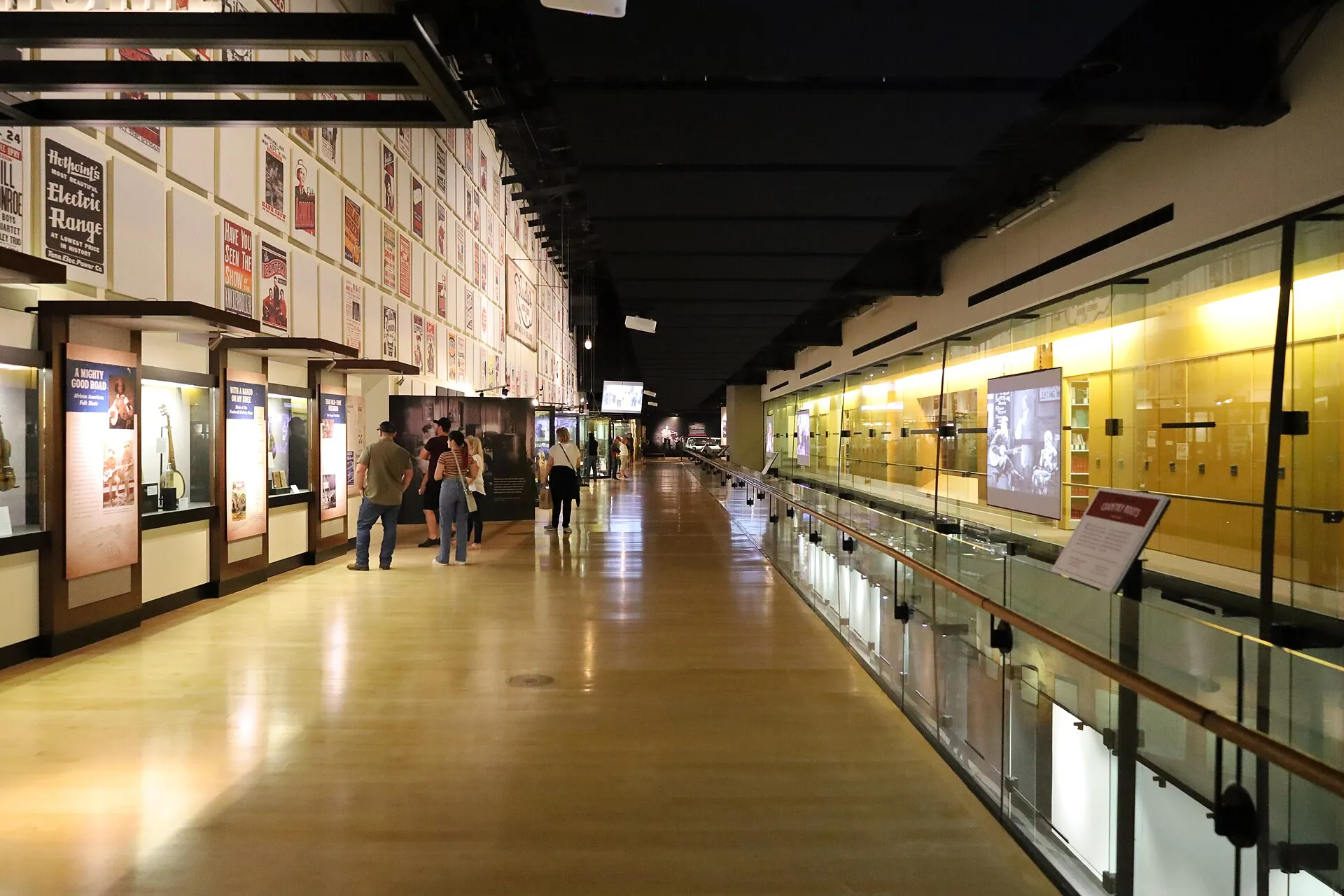
🏛️ Country Music Hall of Fame
The Smithsonian of country music - 350,000 stories under one roof
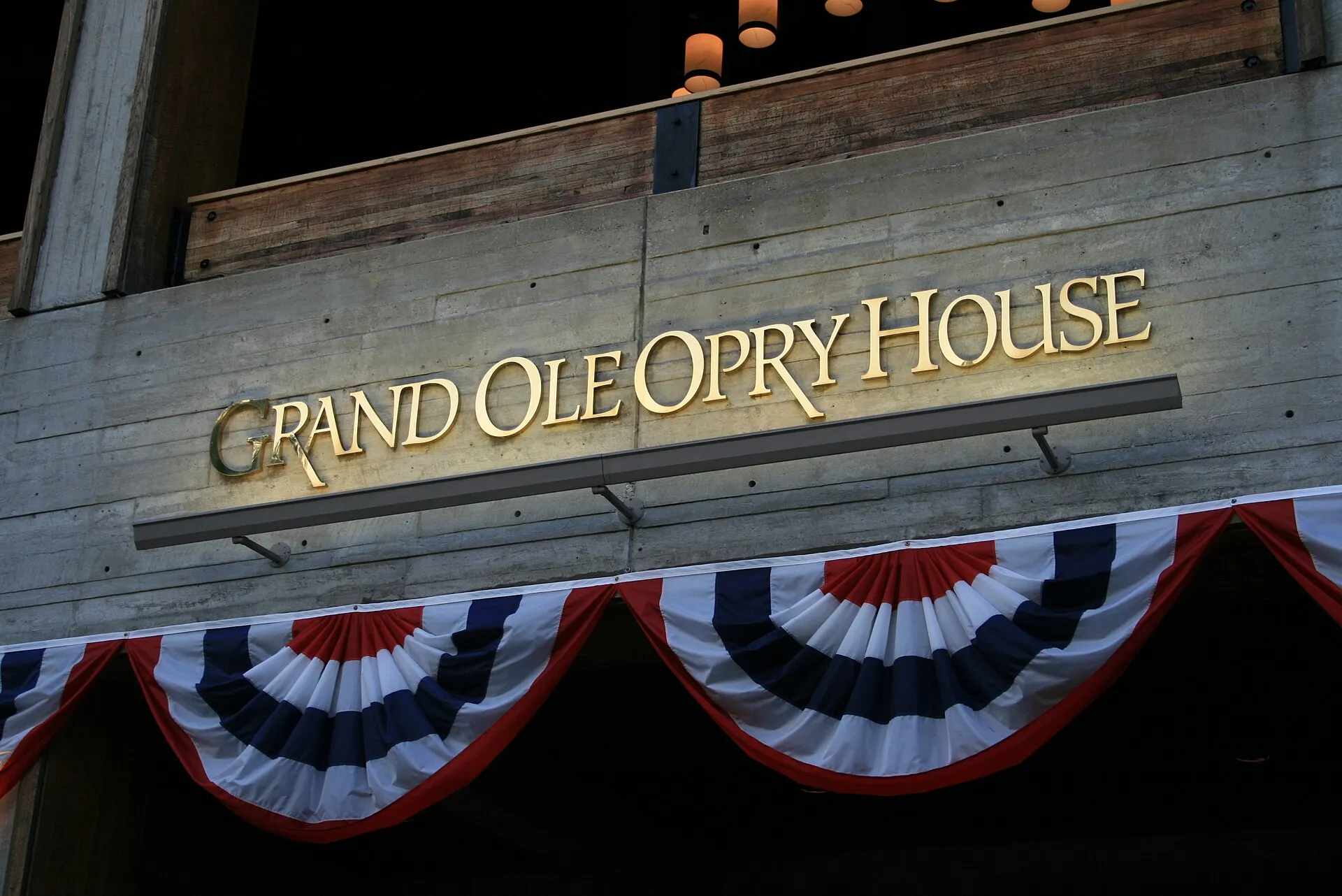
🎟️ Grand Ole Opry
"Home of American Music" - broadcasting live since 1925
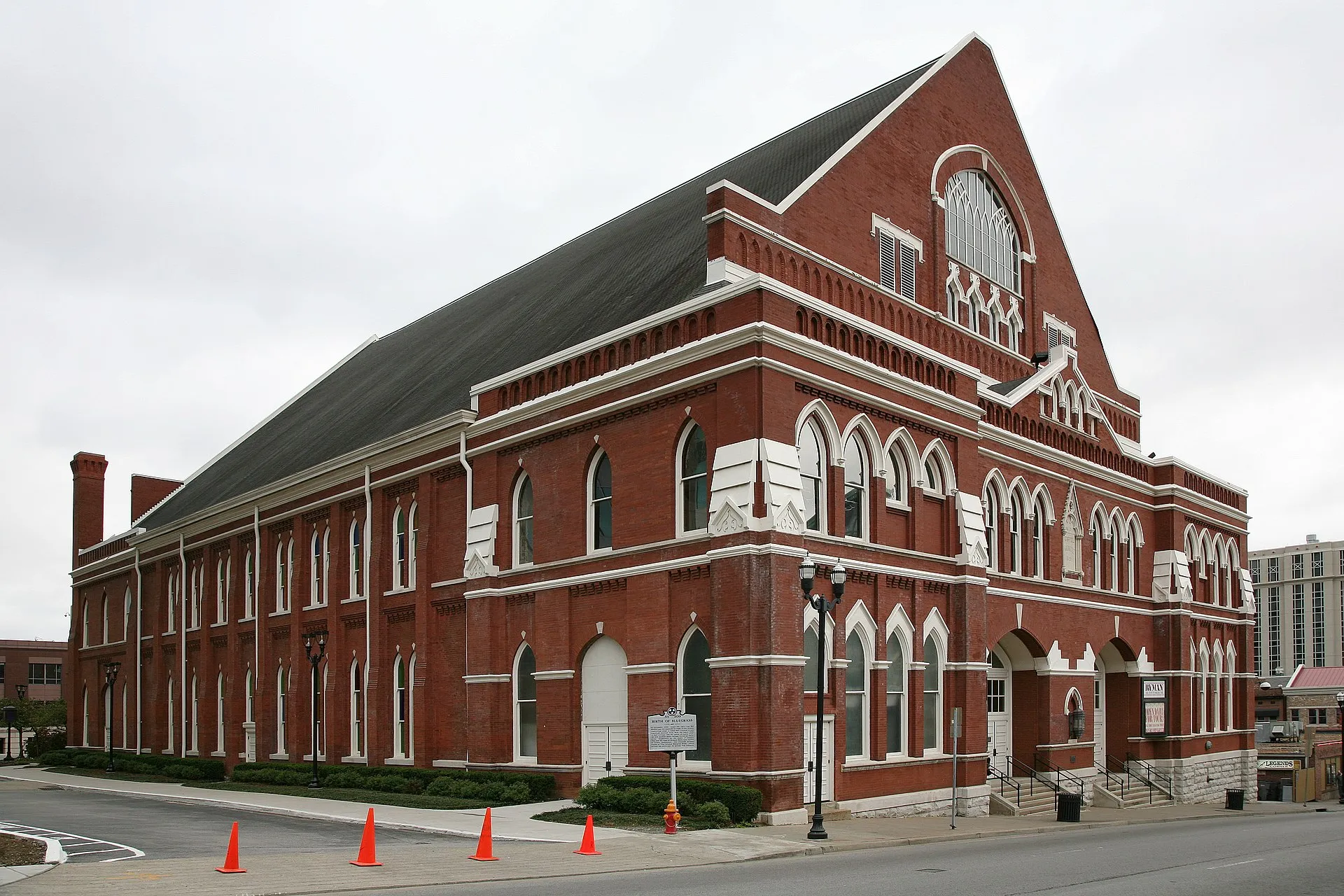
🎟️ Ryman Auditorium
"The Mother Church of Country Music" - where legends found their voice
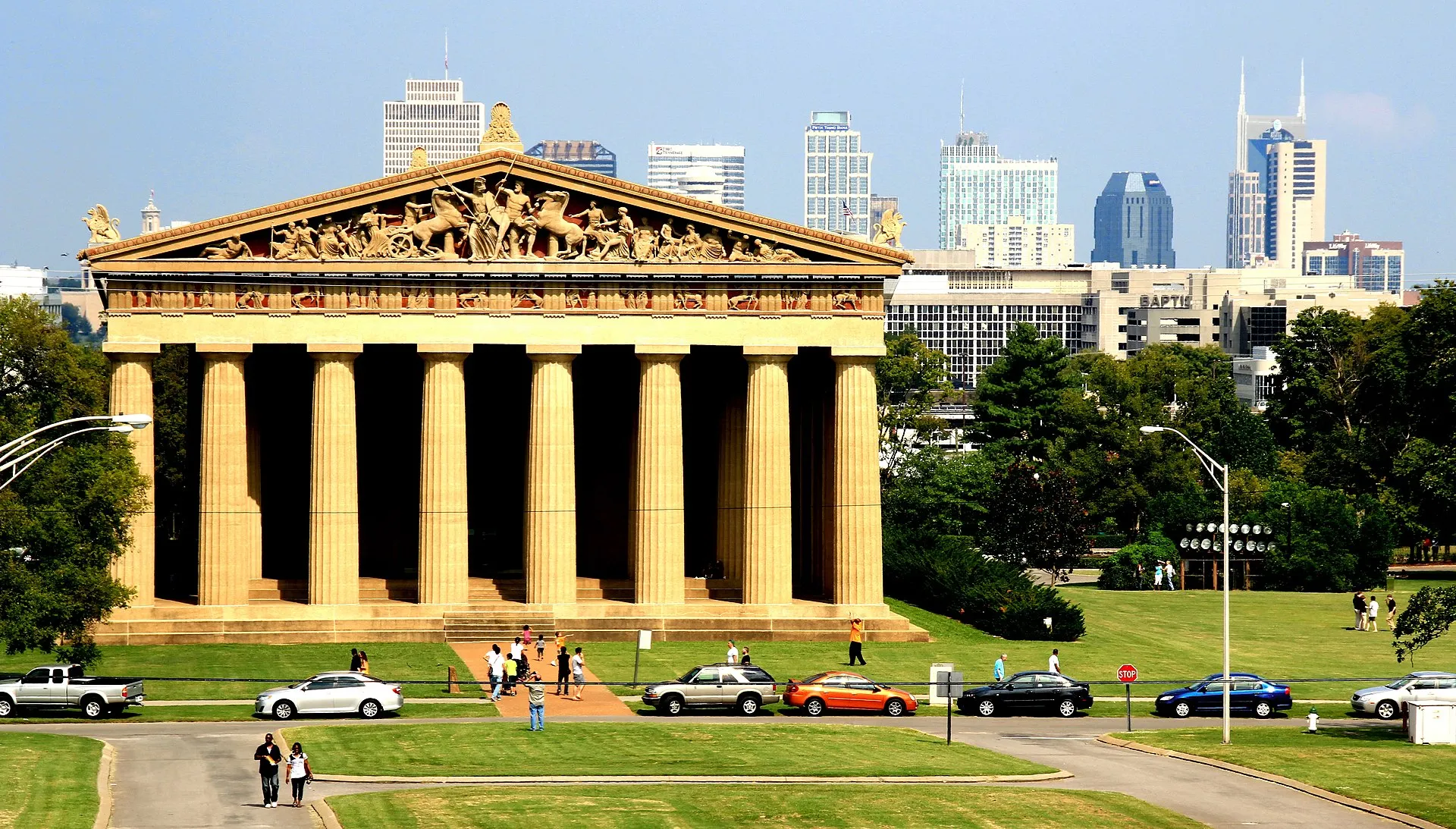
📜 The Parthenon
A full-scale Athens replica in the heart of Music City
Guide planning
How much does a tour guide cost in Nashville?
Guided experiences in Nashville range from budget honky-tonk crawls to private music-history days with backstage access. The rates below are typical starting points; most independent guides tailor the route to your interests, whether that is songwriting, hot chicken, or Civil Rights history.
| Tour Type | Price | Details |
|---|---|---|
| Group Walking Tours | $25-45 | Per person, 2-3 hours downtown |
| Private City Half-Day | $200-400 | Up to 6 people, 4 hours |
| Hot Chicken & Food Tours | $70-110 | Per person, 3 hours with tastings |
| Music History VIP Tour | $300-500 | Up to 4 people, 5-6 hours with venue access |
Season planner
When is the best time to visit Nashville?
Nashville rewards shoulder-season visits, when mild weather lines up with a packed music calendar and the honky-tonks spill onto the sidewalks.
- April-May: Warm, dry days and blooming dogwoods; the free-to-attend CMA Fest takes over downtown in early June and kicks off the summer concert season
- September-October: Cooler air, fall foliage along the Cumberland River, and AmericanaFest brings intimate performances to clubs citywide
- December: A Country Christmas and two million lights at the Opryland Hotel, quieter Broadway crowds, cozy listening-room shows, and the New Year's Eve Bash on Broadway that drops a giant music note over the crowd
- Avoid if you can: July-August brings oppressive humidity and highs above 95°F that make walking tours uncomfortable; bachelor and bachelorette crowds peak on spring and fall weekends
On the ground
How do you get around Nashville?
Downtown Nashville is compact and genuinely walkable - most honky-tonks, the Ryman Auditorium, and the Country Music Hall of Fame sit within a few blocks - but the marquee sights beyond the core are spread out, so plan transport before you arrive.
- On foot - Lower Broadway, the riverfront, and SoBro are easy to cover walking; the John Seigenthaler Pedestrian Bridge crosses the Cumberland for the best skyline view and a step-free route to the east bank
- WeGo buses - WeGo Public Transit radiates from Music City Central downtown, and Route 18 links Nashville International Airport (BNA), about eight miles southeast, to downtown
- WeGo Star - the weekday commuter rail runs from Riverfront Station east to Lebanon for trips into the suburbs
- Rideshare and scooters - Uber and Lyft are the default between neighborhoods; designate a pickup a block off Broadway to dodge the late-night crush, while Nashville BCycle and e-scooters cover short hops
- Driving and parking - a car helps for the Grand Ole Opry (about nine miles northeast via Briley Parkway) and The Parthenon in Centennial Park, two miles west, where the park lots are free; downtown garages beat hunting for street spots on show nights
Frequently Asked Questions
What is the best time to visit Nashville?
April and May bring warm, dry days, spring dogwoods, and the free CMA Fest in early June; late September and October offer cooler air, Cumberland River foliage, and AmericanaFest. July and August are hot and humid, so lean on indoor venues during the peak of summer.
How much does a tour guide cost in Nashville?
Expect roughly $25-45 per person for a 2-3 hour group walking tour, $200-400 for a private half-day for up to six people, $70-110 per person for a hot-chicken or food tour, and $300-500 for a 5-6 hour music-history VIP tour with venue access. Most independent guides tailor the route to your interests.
How do you get around Nashville?
Downtown along Broadway is very walkable, and the John Seigenthaler Pedestrian Bridge crosses the Cumberland for the best skyline views. WeGo buses run from Music City Central, Route 18 connects the airport, and rideshare is the easiest way between neighborhoods. A car or rideshare helps for the Grand Ole Opry and the Parthenon.
What is Nashville best known for?
Nashville is Music City, the global capital of country music and home to the Grand Ole Opry, the Ryman Auditorium, the Country Music Hall of Fame, and the honky-tonks of Lower Broadway. It is also Tennessee's capital, a major healthcare-industry and university hub, and famous for fiery hot chicken.
How many days do you need in Nashville?
Two to three days cover the essentials: a day downtown for Broadway, the Ryman, and the Hall of Fame; an evening at the Grand Ole Opry; and a half-day for the Parthenon, Centennial Park, and a neighborhood such as East Nashville or 12 South. Music fans and food lovers can easily fill four or five.
Do you need a car in Nashville?
Not for downtown - Broadway, the riverfront, and most music landmarks are walkable, and rideshare covers the rest. A car or rideshare is handy for the Grand Ole Opry nine miles northeast and the Parthenon two miles west, but many visitors skip renting one and rely on WeGo buses, walking, and rideshare.