
Walking Route
Local Life
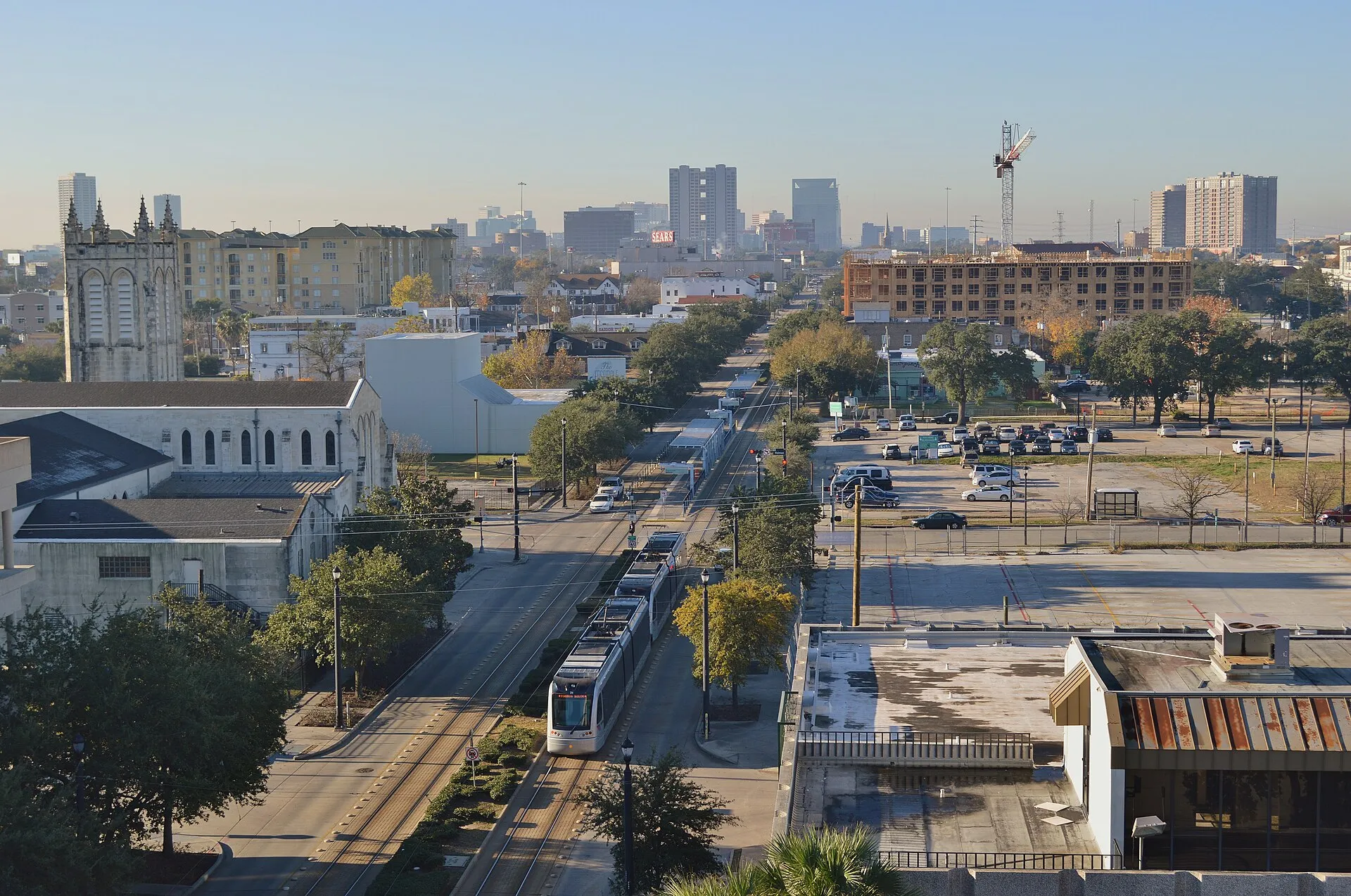
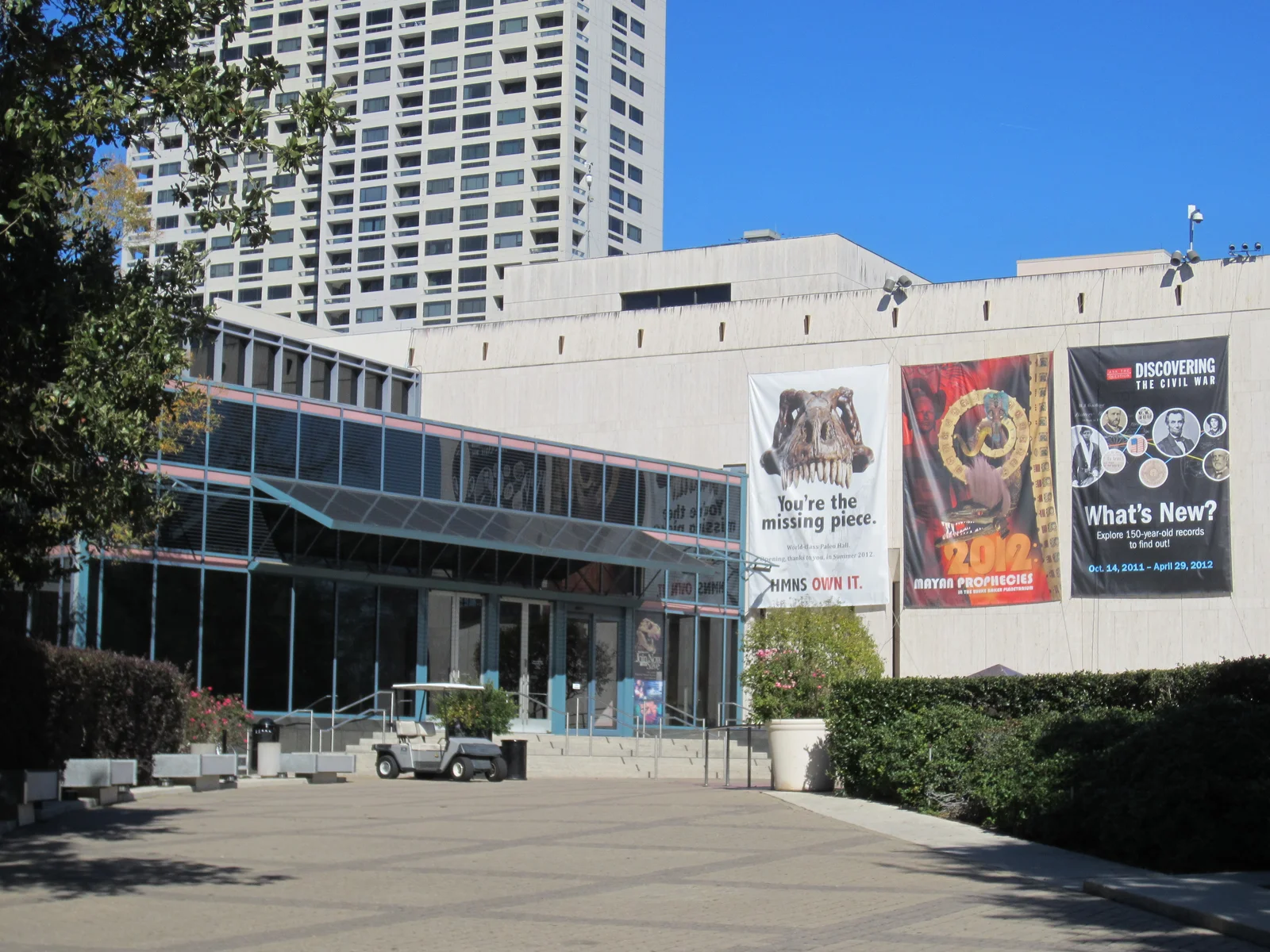
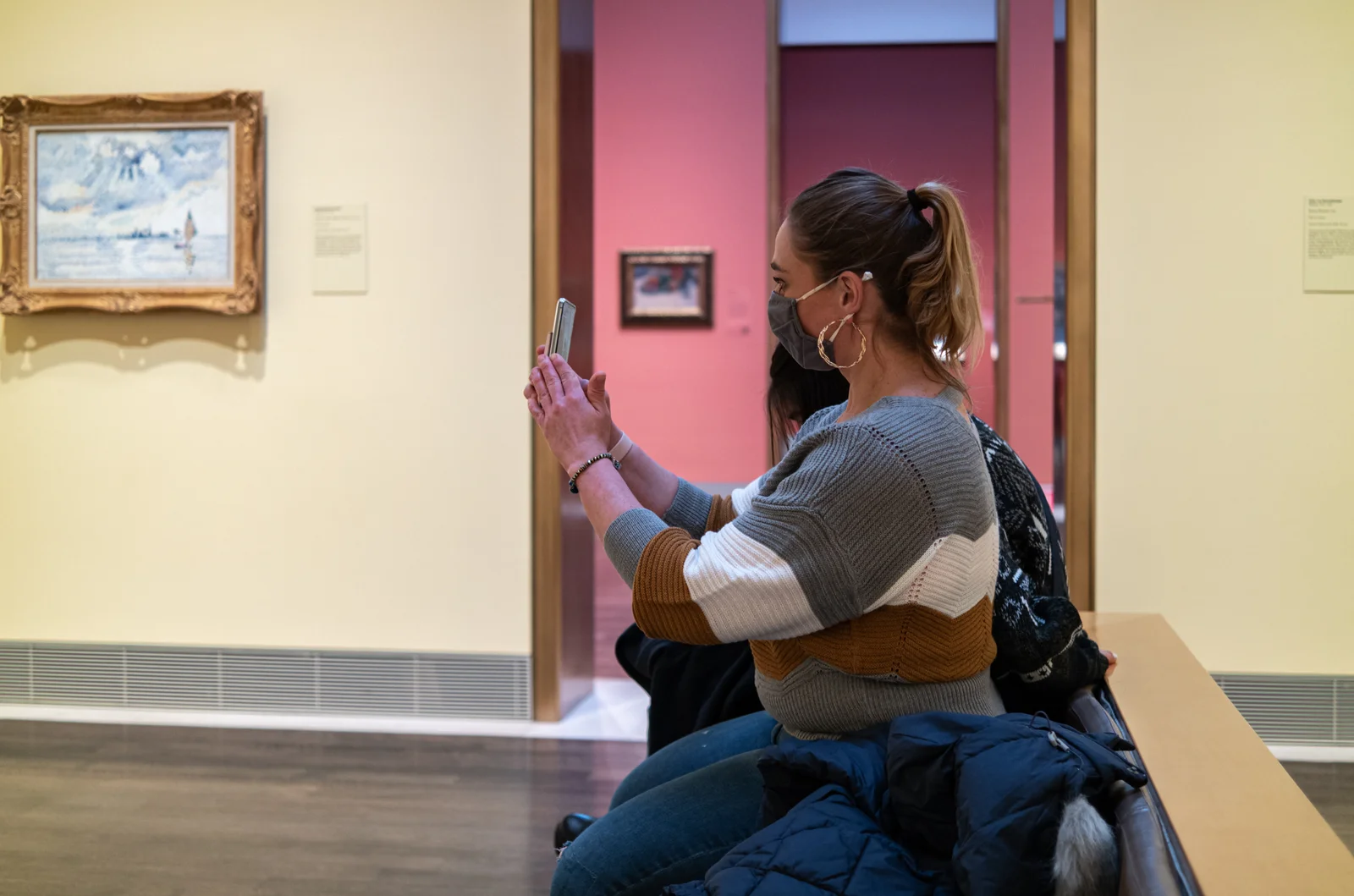
Houston's Museum District is a rare concentration of cultural institutions clustered within a 1.5-mile radius south of downtown, making it one of the most walkable and museum-dense neighborhoods in the United States. Nineteen museums line the tree-shaded streets between Hermann Park and the Montrose neighborhood, spanning fine art, natural science, contemporary craft, health and medicine, African American history, Czech heritage, photography, and children's discovery. Remarkably, eleven of these institutions offer free permanent-collection admission every day of the year, making this one of the best cultural bargains in any American city. The neighborhood is compact enough to walk between museums but substantial enough to occupy visitors for days. The crown jewel is the Museum of Fine Arts, Houston (MFAH), which ranks among the ten largest art museums in the country with a permanent collection of over 70,000 objects spanning 6,000 years of human creativity. Masterworks by Rembrandt, Monet, Picasso, and Warhol hang in interconnected buildings designed by Ludwig Mies van der Rohe, Rafael Moneo, and Steven Holl, creating an architectural experience as compelling as the art itself. The Cullen Sculpture Garden, designed by Isamu Noguchi, offers a meditative outdoor space between gallery visits. Across the street, the Houston Museum of Natural Science draws families with its massive Morian Hall of Paleontology, a gem and mineral vault rivaling the Smithsonian, and a planetarium with immersive digital shows. A local guide helps prioritize across this abundance and reveals the smaller institutions — the Buffalo Soldiers Museum, the Lawndale Art Center, the Asia Society Texas — that most visitors overlook.
Walking Routes
A single day cannot hold nineteen museums, but a half-day loop links the heavy hitters without doubling back. Start at the Museum of Fine Arts, Houston the moment it opens, giving the encyclopedic galleries and the Steven Holl-designed Kinder Building the fresh energy they deserve, then cross Montrose Boulevard to the Isamu Noguchi-designed Cullen Sculpture Garden for an open-air breather among works by Matisse and Rodin. The always-free Contemporary Arts Museum Houston sits a block north — a quick stop before you walk south to the Houston Museum of Natural Science on the edge of Hermann Park, where the Morian Hall of Paleontology stages a T. rex and triceratops locked in combat. Save the quietest hour for the western edge of the district, a ten-minute walk or short ride into residential Montrose, where the Menil Collection and the meditative Rothko Chapel reward an unhurried, contemplative finish. Guides adjust this spine to your interests — swapping in the Holocaust Museum, the Buffalo Soldiers National Museum, or the Children's Museum — so the loop fits your pace rather than a checklist.
Houston Museum District timeline
-
Art education takes root
Houston's art museum began as the Public School Art League, a volunteer effort to bring reproductions and lectures into the city's classrooms — the seed of what became the Museum of Fine Arts, Houston.
-
Natural science is founded
The Houston Museum of Natural Science began as the Houston Museum and Scientific Society and later settled beside Hermann Park, where its Morian Hall of Paleontology and Burke Baker Planetarium now anchor the district's southern edge.
-
Texas gets its first art museum
The Museum of Fine Arts opened its first permanent building, designed by William Ward Watkin, on the wedge where Main Street meets Montrose Boulevard — the first purpose-built art museum in Texas.
-
Contemporary art arrives
The Contemporary Arts Association, forerunner of the Contemporary Arts Museum Houston, formed to champion living artists; it moved into its stainless-steel parallelogram on Montrose Boulevard, designed by Gunnar Birkerts, in 1972.
-
The Rothko Chapel is dedicated
John and Dominique de Menil commissioned Mark Rothko to fill an octagonal, non-denominational chapel with fourteen monumental canvases — a space for meditation that broke every museum convention.
-
The Menil Collection opens
Renzo Piano's light-filled, low-slung building opened to show the de Menils' private collection free of charge, setting the quiet, residential tone that still defines the western edge of the district.
-
The MFAH campus is completed
Steven Holl's Nancy and Rich Kinder Building opened for modern and contemporary art, finishing a three-building MFAH campus linked by tunnels and the Isamu Noguchi-designed Cullen Sculpture Garden.
Houston Museum District in Pictures
When to Visit
General hours: Most museums open Tuesday through Sunday, 10 AM to 5 PM; many close Mondays (the MFAH is closed Mondays and Tuesdays). Thursday evenings: Several museums stay open late until 9 PM with special programming, reduced crowds, and often free admission.
Best for avoiding crowds: Tuesday and Wednesday mornings are the quietest; start at the MFAH right when it opens at 10 AM. Free admission days: The MFAH offers free general admission on Thursdays; many smaller museums are always free. Summer hours: Extended evening hours are common from June through August, and the air-conditioned galleries provide welcome refuge from Houston's oppressive heat — the same escape the climate-controlled shops of the Galleria offer across town.
Admission and Costs
MFAH general admission: $19 adults, $16 seniors, $12 students, free for members and children under 12; free every Thursday. Houston Museum of Natural Science: $25 adults for permanent halls; special exhibitions, the planetarium, and the butterfly centre each add $8-12. Children's Museum Houston: $14 per person; free on Thursdays 5-8 PM for up to 4 guests per family.
Always-free institutions: 11 museums including the Menil Collection, Contemporary Arts Museum Houston, Holocaust Museum Houston, Buffalo Soldiers Museum, and the Rothko Chapel. Guided museum district tour: Private guides typically charge $150-250 for a half-day walking tour covering 3-4 museums with transit between sites.
The Case for a Guide
Nineteen institutions sit within a fifteen-minute walk of one another, which turns the district's greatest strength — abundance — into its central problem: no single day can absorb it all, and the wrong four choices leave you drained without having seen what you came for. This is where a local guide earns their fee, working less as a lecturer than as an editor of your day.
- Triage across nineteen museums: A meaningful day covers three or four institutions at most, and guides match the Museum of Fine Arts, Houston, the Menil Collection, the Houston Museum of Natural Science, or the Rothko Chapel to your interests rather than leaving you to gamble on which few are worth the afternoon.
- Timing the free admission: Eleven museums are permanently free and the MFAH waives general admission every Thursday; a guide schedules around those windows so you pay only for the halls that justify it and step into the free collections when they are quietest.
- Reading the collections: The MFAH alone holds more than 70,000 works spanning 6,000 years, and a guide draws a through-line from a Rembrandt to a Rothko instead of letting masterpieces dissolve into one undifferentiated blur.
- Navigating between venues: The museums line residential streets where signage is thin; guides plot a loop that limits backtracking in Houston's heat and folds in a Hermann Park pause or a Montrose lunch at the right moment.
- Surfacing the overlooked: The Buffalo Soldiers National Museum, the Asia Society Texas Center, and the Czech Center Museum rarely reach a first-timer's shortlist; a guide threads these smaller institutions into the route so the district registers in full, not just through its two or three headline names.
Tips for Visitors
Don't try to see everything: With 19 museums, a single day covers 3-4 institutions at most if you want to experience them meaningfully. Choose based on your interests and save the rest for a return visit. Walk or use the METRORail: The Red Line runs through the district with stops at Museum District, Hermann Park/Rice University, and the Texas Medical Center. The flat terrain makes walking between museums pleasant outside of summer. Start with the Menil: It opens at 11 AM and is less crowded than the major paid institutions; its quiet, contemplative galleries are a perfect way to ease into a museum day. Lunch in Montrose: The adjacent Montrose neighborhood has excellent independent restaurants, coffee shops, and cafes within walking distance — far better options than museum cafeterias. Combine with Hermann Park: The park sits at the district's southern edge, making it ideal for a green-space break between museum visits; the Japanese Garden and Miller Outdoor Theatre are steps away, and the trails of Buffalo Bayou make an easy add-on a short drive north. Check for special exhibitions: Blockbuster traveling exhibits at the MFAH or Natural Science Museum require timed tickets that sell out; if one coincides with your visit, book online as far ahead as possible. Thursday strategy: The MFAH is free on Thursdays and stays open until 9 PM. Combine a late-afternoon visit with dinner in Montrose for an ideal museum evening without admission cost.
Frequently Asked Questions
What time of year should visitors plan a trip to the Houston Museum District?
March through April and October through November provide the best conditions, with comfortable temperatures for walking between the nineteen museums and fewer crowds than peak summer. The museums themselves are climate-controlled and enjoyable year-round, making summer visits viable if you stick to indoor galleries and limit outdoor walking during the hottest hours.
What time of day is best for exploring Houston Museum District?
Most museums open Tuesday through Sunday, 10 AM to 5 PM; many close Mondays. Best for avoiding crowds: Tuesday and Wednesday mornings. Thursday evenings several museums stay open late until 9 PM.
How much should visitors budget for Houston Museum District?
MFAH general admission: $19 adults, $16 seniors, $12 students, free every Thursday. Houston Museum of Natural Science: $25 adults. Eleven museums are always free, including the Menil Collection.
How many museums can visitors realistically visit in the Houston Museum District?
Don't try to see everything: With 19 museums, a single day covers 3-4 institutions at most if you want to experience them meaningfully. Choose based on your interests and save the rest for a return visit.
How accessible is the Houston Museum District by public transit and for visitors with mobility needs?
The METRORail Red Line links the district to downtown and the Texas Medical Center, stopping at the Museum District station on Fannin Street and again at Hermann Park/Rice University, so a car is optional; consult METRO for current schedules and fares. The neighborhood is flat with wide, shaded sidewalks that make walking between venues manageable, and the major institutions — among them the Museum of Fine Arts, the Houston Museum of Natural Science, and the Menil Collection — provide step-free entrances, elevators, and wheelchairs on request, though calling ahead confirms the current provisions for any specific museum.