
Walking Route
Walking Routes
Fells Point rewards a slow loop on foot rather than a straight march — the whole historic core is only a handful of blocks, and the pleasure is in the detail underfoot and the water at the end of every southern street. These are the stops most guided routes string together, roughly in the order a walk down Broadway toward the harbor takes them:
- 🏛 Robert Long House — begin at 812 South Ann Street, the 1765 Georgian townhouse that is the oldest surviving urban residence in Baltimore, now a museum with a restored colonial pleasure garden behind it.
- 🍳 Broadway Market — the twin public-market sheds trading since the 1780s, where you can grab oysters, a crab cake, or coffee among longtime neighborhood vendors.
- ⛵ Cobblestone streets — the Belgian granite blocks, shipped as ballast and laid along Thames Street and Broadway, give Fells Point its distinctive texture and its photographs their instant sense of age.
- 🍺 The Horse You Came In On Saloon — continuously serving since 1775, this Thames Street bar claims to be Edgar Allan Poe's final stop and one of the oldest saloons in America.
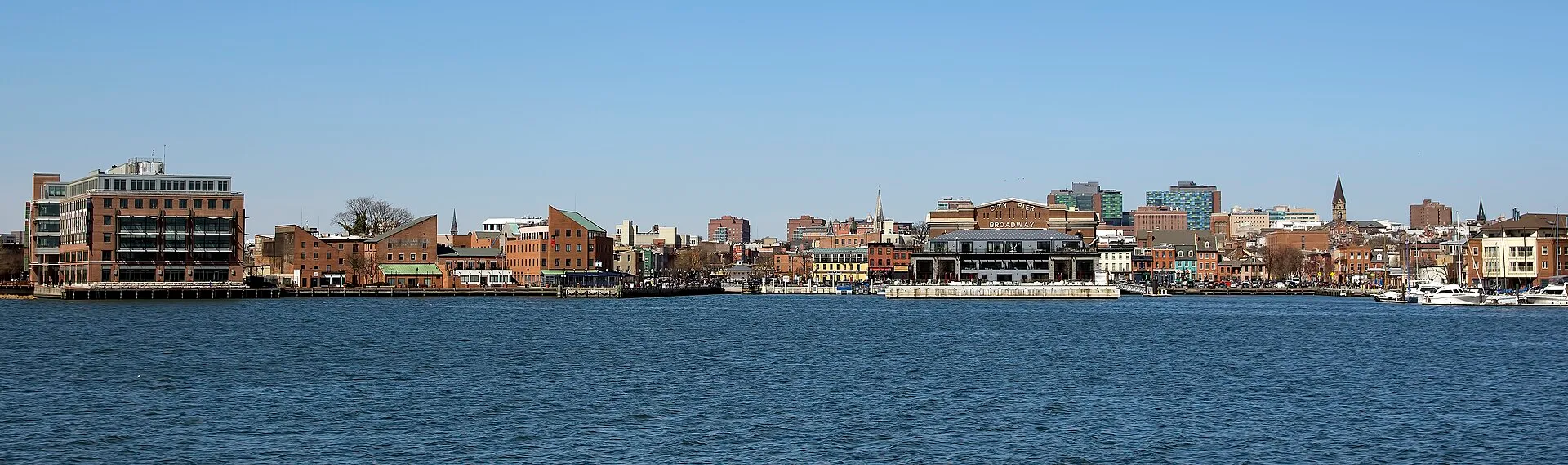
- 🚢 Broadway Pier — walk to the end of the city pier for the classic head-on view of the row houses across the water, with the restored 1914 Recreation Pier (the police station in TV's Homicide: Life on the Street) just alongside.
- ⚓ Frederick Douglass-Isaac Myers Maritime Park — a Thames Street museum built around a working caulkers' shipyard, where Douglass labored while enslaved and Isaac Myers later founded a Black-owned shipyard and union.
- 🍲 Thames Street oysters — pull up a stool at any waterfront raw bar for Chesapeake Bay oysters on the half shell with Old Bay and a local craft beer.
- 🌆 Waterfront promenade — the paved harbor path links Fells Point to the Inner Harbor and the National Aquarium via a scenic 20-minute walk west through Harbor East.
Best photographs: the strongest shots are from Broadway Pier looking back at the ranks of brick row houses, straight down South Broadway toward the water from Broadway Square, and along Thames Street at golden hour, when low sun rakes across the cobblestones and the masts of the harbor.
Local Life
Four centuries of history overlap in Fells Point's compact streets, but without narration the neighborhood registers simply as old and charming rather than genuinely significant. Guides animate the buildings as characters in an unfolding drama: colonial shipbuilders launching the Baltimore Clippers that would outrun British frigates, immigrant families crowding into row houses while working the canneries and docks, and activists organizing the highway revolt of the 1960s that saved the neighborhood from demolition. Every block carries layers that reward informed exploration.
Frederick Douglass's story intersects with Fells Point in ways a good guide traces to specific locations. The great abolitionist worked these shipyards as an enslaved caulker, secretly learned to read in the surrounding streets, and eventually escaped from the same harbor that had both imprisoned and employed him. Following his footsteps with someone who knows the documentary record turns abstract history into physical geography. Guides likewise connect the neighborhood's shipyard heritage to the naval war of 1812 and the bombardment of Fort McHenry that produced the national anthem.
The neighborhood's cultural life is unusually dense for its size. Its age and rough maritime past have generated some of Baltimore's most persistent ghost stories, which evening tours weave through genuinely atmospheric alleys. Its screen history is just as rich — the 1914 Recreation Pier served as the fictional police headquarters in Homicide: Life on the Street and the neighborhood appears throughout The Wire. And its calendar still turns on homegrown traditions, above all the Fells Point Fun Festival, the free street fair the Preservation Society has thrown each autumn since the 1960s to celebrate the community that saved these streets.
Food-focused guides offer a different kind of navigation, knowing which raw bar shucks the freshest Chesapeake oysters, where to find lump crab cakes made without filler, and which unassuming storefronts hide the best meals. Neighborhood institutions anchor the scene: Bertha's, whose "Eat Bertha's Mussels" bumper stickers became a citywide joke, the live blues and rock of Cat's Eye Pub on Thames Street, and the daytime stalls of Broadway Market all repay a visit beyond the obvious waterfront patios.
When to Visit
Neighborhood access: open at all times — Fells Point is a living neighborhood, not a gated attraction, and its streets and waterfront are free to walk around the clock.
- Best for walking: late morning through early afternoon on weekdays, when the cobblestone streets are quiet, the light is good for photographs, and shops are open without the evening crowds.
- Evening character: the neighborhood comes alive after dark, especially Thursday through Saturday, when the bars and music venues along Broadway and Thames Street fill with locals.
- Saturday market: the Fells Point Farmers' Market runs on Saturday mornings from April through December under the Broadway Square canopy.
- Ghost tours: evening walking tours depart from Broadway Square on Friday and Saturday nights, trading on the neighborhood's centuries of hauntings and legends.
- Robert Long House: the 1765 museum opens for limited docent-led tours; confirm current hours with the Preservation Society before visiting, as they are seasonal.
Admission and Costs
Walking the neighborhood is completely free — the streets, waterfront, and public squares cost nothing to explore. Beyond that, typical costs are:
- Guided history walk: $20-35 per person for a 90-minute to 2-hour tour covering maritime history, architecture, and local legends.
- Ghost tour: $25-40 per person for an evening walk through Fells Point's most haunted locations and unsolved mysteries.
- Food or pub-crawl tour: $60-85 per person, including tastings at four or five stops for oysters, crab dip, craft beer, and Baltimore staples.
- Private guide: $175-275 for a 2-hour custom walk for up to six people, adaptable to your interests in history, food, or ghosts.
- Water taxi: about $14 for a day pass connecting Fells Point to the Inner Harbor, Canton, and Federal Hill.
- Robert Long House: a modest admission (roughly $5) supports the Preservation Society that maintains the 1765 house museum.
The Case for a Guide
Fells Point looks handsome on its own, but the neighborhood keeps its best stories out of sight — in the documentary record, behind private doors, and under the cobblestones. A guide is the difference between a pleasant stroll past old bars and reading the port city that built Baltimore.
- Tracing Frederick Douglass: a guide walks you to the specific docks and streets where Douglass caulked ships, learned to read, and planned his 1838 escape, grounding a towering American story in a few square blocks.
- Reading the architecture: guides explain why the row houses wear Formstone, how to date a facade by its brickwork and dormers, and which buildings predate the Revolution.
- The shipyard and the anthem: they connect the Baltimore Clipper yards here to the privateering war of 1812 and the bombardment of Fort McHenry that produced "The Star-Spangled Banner."
- The highway revolt: a local tells how residents beat back Interstate 83 in the 1960s, saved the oldest streets in the city, and sparked a preservation movement that restored the district.
- Ghosts and legends, sorted from fact: evening guides separate the documented history of the Horse You Came In On Saloon and the Poe legend from the folklore that grew around them.
- Eating well: food guides steer you to the freshest raw bar, filler-free crab cakes, and the stalls of Broadway Market instead of the first patio you pass.
Tips for Visitors
- Wear flat shoes: the cobblestone streets are charming but murder on heels and thin soles; sturdy flats or sneakers are essential for comfortable exploring.
- Mind the parking: metered street parking fills quickly on weekends, so use a garage in Harbor East a short walk west, or skip the car entirely and arrive by water taxi from the Inner Harbor.
- Visit twice in a day: Fells Point has two personalities — come by day for history, architecture, and shopping, then return after dark for the bar and live-music scene.
- Combine with the harbor: walk the waterfront promenade west through Harbor East to reach the Inner Harbor and the National Aquarium in about 20 minutes, with the ballpark at Camden Yards another 10 minutes beyond for anyone chasing an Orioles game.
- Eat with the crab season: Maryland blue crab season runs roughly April through November; if you visit in that window, ordering steamed crabs at a Fells Point crab house is a non-negotiable Baltimore experience.
- Let a crawl set the pace: Fells Point packs an astonishing density of bars into a few blocks, and a guided pub crawl paces the evening and supplies the story behind each establishment far better than wandering at random.
- Save Sunday for brunch: several restaurants along Thames Street and the Broadway pier offer popular waterfront Sunday brunches.
Frequently Asked Questions
Which months are ideal for visiting Fells Point?
May through September rewards visitors with warm evenings on the cobblestone waterfront, outdoor seating at the harbour-side oyster bars, and weekend festivals that fill Broadway Square with live music. Maryland blue crab season overlaps this window, peaking from July to October, so steamed crabs are at their best. The Fells Point Fun Festival each October is a neighbourhood highlight. January and February bring biting Chesapeake Bay winds off the water and many outdoor-focused businesses scale back their hours, though the historic pubs and indoor restaurants stay lively year-round.
Are there any restrictions on when visitors can explore Fells Point?
None. Fells Point is a living residential and commercial neighbourhood, not a gated attraction, so its streets, waterfront promenade, and public squares are open and free to walk at any hour. Individual sites keep their own schedules: the Robert Long House museum opens for limited docent-led tours, Broadway Market trades daytime hours, and the bars along Thames Street and Broadway run late, especially Thursday through Saturday. Only the interiors have opening times; the neighbourhood itself never closes.
How much should visitors budget for Fells Point?
Walking the neighbourhood is completely free, including the streets, waterfront, and public squares. Guided history walks run $20-35 per person for 90-minute to 2-hour tours covering maritime history, architecture, and local legends; evening ghost tours cost $25-40; and food or pub-crawl tours run $60-85 with tastings at four or five stops. A private guide for up to six people is $175-275 for a two-hour custom walk. A water-taxi day pass linking Fells Point to the Inner Harbor and other harbour neighbourhoods is about $14.
What should visitors wear and where should they park at Fells Point?
Wear flat, sturdy shoes: the Belgian-granite cobblestones are charming but punishing on heels and thin soles, so sneakers or flats make exploring far more comfortable. For parking, metered street spaces exist but fill quickly on weekends; the nearest reliable garages are in Harbor East, a short walk west. The relaxed alternative is to leave the car behind entirely and arrive by water taxi from the Inner Harbor or by the free Charm City Circulator, which saves you from circling the narrow one-way streets.
How is Frederick Douglass connected to Fells Point?
Frederick Douglass spent part of his enslaved youth in Fells Point, where he was hired out to the shipyards and learned the skilled trade of caulking, sealing the seams of wooden hulls. It was in Baltimore that he secretly learned to read, and in 1838 he escaped north from this harbour disguised as a free Black sailor, using borrowed seaman's papers. The Frederick Douglass-Isaac Myers Maritime Park on Thames Street, built around a restored 19th-century caulkers' shipyard, interprets that history today, and walking guides trace his path through the specific docks and streets where it unfolded.
Can you go inside any historic buildings in Fells Point?
Most of Fells Point's 18th- and 19th-century row houses are private homes admired only from the sidewalk, but a few interiors welcome visitors. The Robert Long House at 812 South Ann Street, built in 1765 and the oldest surviving urban residence in Baltimore, is preserved as a museum by the Preservation Society of Fells Point and Federal Hill and open for docent-led tours. The Frederick Douglass-Isaac Myers Maritime Park on Thames Street is a full museum, and the taverns along Thames Street and Broadway, several of them centuries old, are open to anyone who walks in.