
Trails
Male knitting tradition: Watch men knit intricate chullo caps while walking, talking, or sitting in the plaza — their nimble technique with five needles is mesmerizing. Textile codes: A guide deciphers the colours and patterns: a red-and-white cap means married, a red cap with a floppy tip means single and looking, and the belt patterns encode the wearer's community role. 360-degree lake views: From the island's highest point, the lake stretches to every horizon with the Bolivian Andes rising in the distance. Community lunch: Eat fresh lake trout and quinoa prepared by a local family in the main plaza — simple, delicious, and communally organized. Overnight stargazing: With zero light pollution, the Milky Way blazes overhead — the night sky from Taquile is one of the most vivid on the planet. Homestay experience: Sleep in a simple room in a local family's home, sharing coca tea, conversation (often through a guide's translation), and a glimpse of daily island life.
Wildlife
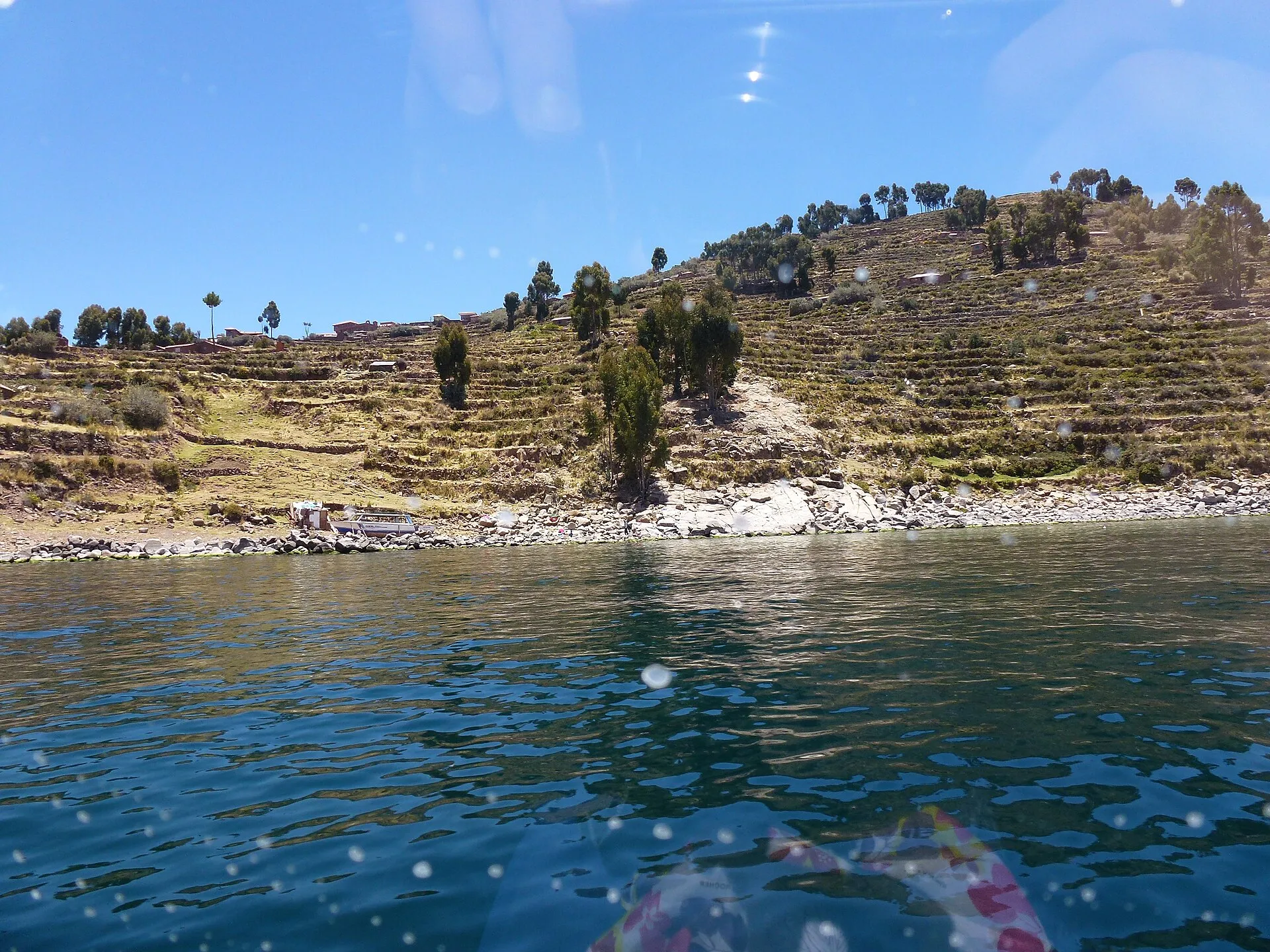
Taquile Island's terraced hillsides and surrounding waters support a modest but distinctive community of high-altitude species. Andean gulls — grey-headed during breeding season, white-headed the rest of the year — follow the tour boats across Lake Titicaca and gather around the dock at feeding time. On the island itself, rufous-collared sparrows and Andean sparrows forage along the stone paths between terraces, and the occasional Andean flicker (a highland woodpecker species) drums on the few trees dotting the hillside. During the boat crossing, watch for Titicaca grebes diving for fish in the open water and Andean coots paddling among the totora reed beds near the shore. From Taquile's summit, the views sometimes include Andean condors circling on the thermals above the distant altiplano — a pair of binoculars makes the crossing and hilltop experience significantly richer. The lake waters around the island sustain populations of carachi and ispi (native fish species) as well as introduced trout, which appears on every community lunch plate served to visitors.
When to Visit
Boat from Puno: Approximately 2.5-3 hours each way. Arrival: Most boats dock between 10-11 AM; the 567-step climb takes 20-40 minutes at altitude. Best: Dry season (May-October) for blue skies and calm lake crossings. Overnight: Staying overnight lets you experience sunset, the night sky, and morning light without the day-trip crowds.
Admission and Costs
Island entry fee: S/8 ($2.15) paid at the dock. Full-day Uros + Taquile group tour: S/60-120 ($16-32) per person. Homestay overnight: S/30-60 ($8-16) per person including dinner and breakfast. Community lunch: S/15-25 ($4-7) — fresh lake trout, quinoa soup, and potatoes. Handknit chullo cap: S/30-80 (~$8-22) — purchased directly from the artisan who made it.
The Case for a Guide
On Taquile a guide is the difference between admiring a view and reading a culture. The island's celebrated men's knitting is effectively a written language: a knowledgeable guide can read a chullo cap or a woven chumpi belt aloud, decoding which colours and motifs mark a man as married, single and courting, or holder of a community office. Because most Taquileños speak Quechua as their first language and Spanish only as a second, a bilingual guide is often the sole bridge to a genuine exchange with the weavers, cooks, and homestay hosts you meet. A guide with standing on the island can steer you to the cooperative shop on the main plaza — where the textile art UNESCO recognized in 2005 sells at fair, community-set prices — and explain the assembly system that governs land, fishing, and the rotation of visitor meals. On the common full-day trip paired with the Uros floating islands, a good guide also paces the crossing so you reach Taquile with time to climb slowly and linger at the 3,950-metre summit.
Tips for Visitors
Climb slowly: The 567 steps from dock to plaza at 3,950m altitude will leave you breathless — take frequent breaks and don't try to keep up with the Taquileños who sprint up effortlessly. Stay overnight: Day trips are rushed; an overnight homestay reveals the island's quiet rhythms and the extraordinary night sky. Buy textiles on the island: The cooperative shop at the main plaza sells authentic handknit and handwoven goods at fair prices — this is one of the few places where "artisan" means exactly what it says. Bring cash: There are no ATMs, card machines, or shops beyond the textile cooperative. Altitude preparation: At 3,950m, the air is thin — acclimatize in Puno first and bring coca leaves or tea for the climb. Combine with Uros: Most tours stop at the Uros islands first on the way to Taquile — a natural pairing for a full-day experience.
Frequently Asked Questions
How long does the boat journey to Taquile Island take from Puno?
Boat from Puno: Approximately 2.5-3 hours each way. Arrival: Most boats dock between 10-11 AM; the 567-step climb takes 20-40 minutes at altitude. Best: Dry season (May-October) for blue skies and calm lake crossings.
How much does it cost to access Taquile Island?
Island entry fee: S/8 ($2.15) paid at the dock. Full-day Uros + Taquile group tour: S/60-120 ($16-32) per person. Homestay overnight: S/30-60 (~$8-16) per person including dinner and breakfast.
What should visitors bring when visiting Taquile Island?
Bring cash in small soles — there are no ATMs or card machines on the island beyond the textile cooperative, so carry enough for the S/8 entry fee, a community lunch, and any handknit chullo you decide to buy. Pack a windproof layer and warm hat for the cold, exposed lake crossing, plus sunglasses, a sun hat, and high-SPF sunscreen for the fierce high-altitude UV. Sturdy shoes make the 567 stone steps easier, and coca leaves or tea help with the thin air at 3,950m.
Can you stay overnight on Taquile Island?
Yes. The community runs a rotating homestay system in which families host visitors in turn rather than competing for them, so overnight guests are distributed equitably across the island. Expect to pay roughly S/30-60 (~$8-16) per person including dinner and breakfast, arranged through a Puno tour operator or on arrival at the main plaza. Staying over lets you watch the sunset, experience the near-total darkness and vivid night sky, and see daily life once the day-trip boats have departed.