
Collections Highlights
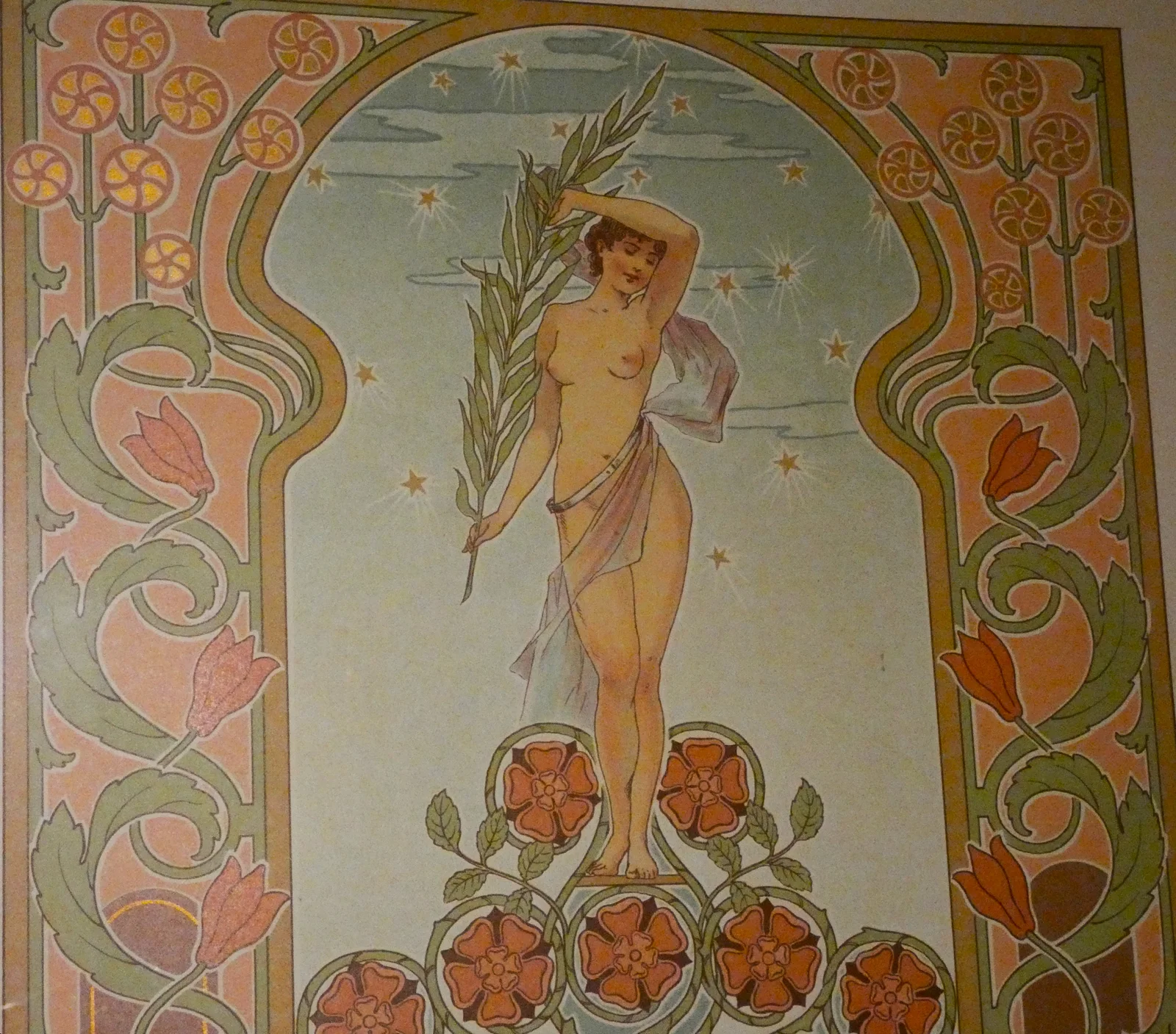
The centre's greatest "exhibit" is the building itself — the preserved 1907 Swan Pharmacy, whose original hall, decorative ceilings, staircase and furnishings form a rare, complete Jugendstil interior you can walk through rather than merely view behind glass. Around it, exhibitions display furniture, glass, ceramics, textiles and graphic art of the Art Nouveau period, showing how the style shaped every object of daily life, not just architecture.
The Time Machine installation is a highlight in its own right, using film and effects to carry visitors through the fire and rebuilding. Together with material on the architects and craftsmen who remade Ålesund in barely three years, the collections make a focused, coherent case for the town as an internationally significant Art Nouveau site — the essential context for everything you see outside.
Guided Tours
The centre is designed for self-guided visiting, with the Time Machine and clear multilingual displays carrying much of the story, so most visitors happily explore it independently in an hour or so. Its compact size makes it easy to see thoroughly without a guide.
Where a guide adds most is outside: local architecture walking tours use the centre as their starting point and then lead you through the streets to read the facades in person, decoding the symbolism and pointing out the finest buildings you would otherwise walk past. Booking a guided town walk that begins here is the richest way to experience Ålesund's Jugendstil — the museum supplies the background, the guide reveals it built large all around you.
When to Visit
As an indoor museum, the centre is a dependable choice in any weather — welcome in a town that catches plenty of Atlantic rain — and can be visited year-round. It is busiest on summer afternoons and cruise-ship days, so a morning visit is generally calmer.
Check current opening hours, which are longer in the summer season and can be reduced in winter. Allow one to one and a half hours for the Time Machine, the preserved interiors and the exhibitions. Visit it early in your stay, ideally before you explore the streets, so that the Art Nouveau architecture outside means far more when you walk among it — then climb the Aksla steps for the view over it all.
Admission and Costs
Adult admission is around NOK 130–160 ($12–15), often on a combined ticket with the neighbouring KUBE art museum, with reductions for children, students and seniors and free entry for young children. The combined ticket is good value if you want to see both.
There are no extra charges for the Time Machine or the permanent exhibitions once inside. A guided walking tour of Ålesund's architecture will usually include or complement a visit here. All prices are estimates that change over time, so confirm the current rate and any combined-ticket option when planning your visit.
The Case for a Guide
A guide is what connects the museum to the living town. After the centre explains the 1904 fire and the Jugendstil rebuilding, a knowledgeable guide leads you out into the streets and teaches your eye to read them — the turrets and towers, the dragons and stylised flowers, the work of individual architects — so that Ålesund reveals itself as the coherent Art Nouveau masterpiece it is. Guides know the finest facades and the best stories behind them, and they naturally tie the walk to the Aksla viewpoint above, where the whole planned townscape spreads out below. For a place whose distinction is architectural, that guided reading turns an attractive harbour town into a genuine open-air gallery.
Tips for Visitors
See the centre before you wander the streets — understanding the 1904 fire and the Jugendstil style first turns an ordinary town walk into an architectural treasure hunt, as you start spotting turrets, dragons, sinuous ironwork and stylised flowers on facade after facade. Don't rush the preserved pharmacy interiors, the highlight for many.
Combine the visit with the neighbouring KUBE museum on a joint ticket, and keep it for a rainy day if the forecast is mixed, saving fair weather for the Aksla viewpoint climb and the harbour. Ask staff for their Art Nouveau walking map so you can seek out the best facades on foot afterwards.
Frequently Asked Questions
Why is Ålesund an Art Nouveau town?
In January 1904 a catastrophic fire destroyed almost the entire wooden town of Ålesund, leaving some 10,000 people homeless. It was rebuilt at extraordinary speed, largely between 1904 and 1907, in the Jugendstil (Art Nouveau) style then fashionable across Europe, giving the town one of the most complete and coherent Art Nouveau townscapes anywhere. The centre exists to explain that unique story.
What is the building the museum is in?
The centre occupies the former Swan Pharmacy (Svaneapoteket), one of the finest Art Nouveau buildings in Ålesund, completed in 1907. It preserves original interiors — including the pharmacy hall, decorative ceilings and furnishings — so the building is itself the star exhibit, a rare intact Jugendstil interior you can walk through.
What is the "Time Machine"?
The Time Machine (Tidsmaskinen) is a multimedia experience within the centre that takes visitors from the night of the 1904 fire through the international relief effort and the frenzied rebuilding, dramatising how the modern town came to be. It makes the history vivid for all ages before you explore the original rooms and the exhibitions on the Art Nouveau movement.