
Guided Tours in Varanasi: Choosing the Right Experience
How to choose a guided tour in Varanasi: dawn Ganges boat rides, the Ganga Aarti, old-city ghat walks, silk-weaving visits, and Sarnath day trips.
Read the full guideUpdated · 9 min read
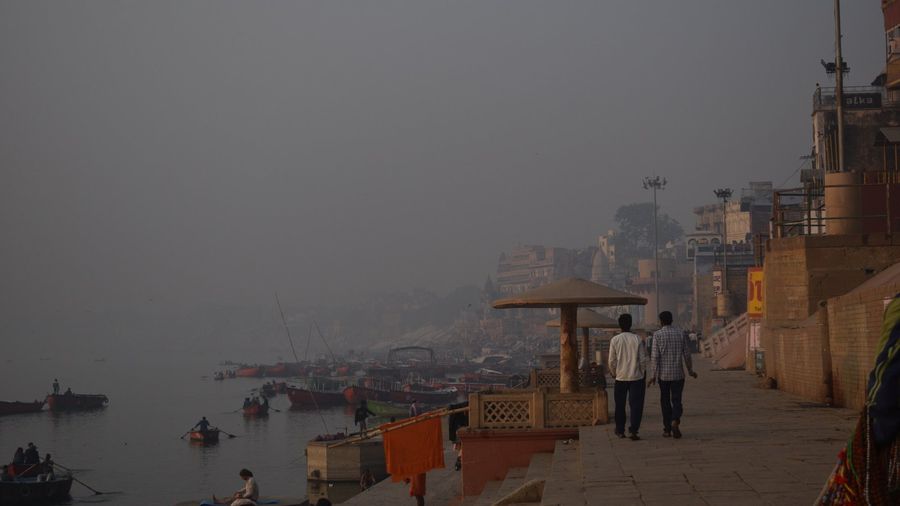
Varanasi rewards a guide more than almost anywhere in India, because here you are paying for three things at once — navigation through a genuine maze of lanes, the etiquette to move respectfully past prayer and cremation, and the interpretation that turns a bewildering riverfront into a coherent story. Get the format right and you spend your money where a local genuinely changes the day, then keep your own feet for the ghats and the boat.
The Varanasi city guide is the place to start for the bigger picture; this guide narrows the question to tours alone. Which parts of a Ganges-and-old-city visit actually need a guide, which only need a ticket, and how do you match a format to the few days you have? Varanasi is intense in a way that Udaipur or Delhi are not, so the usual advice to "just wander" fails on the first morning. What follows sorts the options by what each is good for, what it costs, and the local logistics that decide whether a day flows.
What does a guide actually add in Varanasi?
A guide here earns its fee on orientation, etiquette, and interpretation — the three things the labyrinth, the rituals, and the sheer density of the place make genuinely hard to manage alone.
Plenty of Varanasi can be done independently once you have found your feet: a sunset wander along the wider ghats, a cup of chai watching the river, a silk showroom browse. But the first day without a guide is usually disorientating. The old city's alleys twist back on themselves with no signage, the Kashi Vishwanath Temple is reached through an airport-style security channel, and the active cremation grounds require you to know exactly where cameras are forbidden before you raise one. A guide reads these unwritten rules in real time — when to fold your hands, when to step back, which lane leads to the river — and layers in the history that makes the city legible rather than merely overwhelming.
What are the main types of guided tour?
Varanasi's tours cluster into five formats, and a good two or three days usually mixes three of them rather than stacking the same kind. The dawn boat ride and the evening Ganga Aarti bookend almost every itinerary.
| Tour type | Best for | Typical length | Rough cost |
|---|---|---|---|
| Dawn boat ride + ghats | Light, ritual bathing, orientation | ~3 hours | ₹1,500–3,000 (US$18–36) |
| Old-city heritage walk | Lanes, temples, first-day bearings | ~3 hours | ₹1,000–2,000 (US$12–24) |
| Ganga Aarti experience | The evening fire ceremony, explained | ~2 hours | ₹1,000–2,500 (US$12–30) |
| Silk or food workshop visit | Craft, cuisine, hands-on culture | 2–4 hours | Varies by host |
| Private full-day guide | Flexibility, Sarnath, pacing | Full day | ₹4,000–8,000 (US$48–96) |
The dawn boat ride is the signature experience: a wooden rowing boat drifts past the 84 ghats as pilgrims bathe and the light burns through the river mist, and a guide names what you are seeing. The old-city heritage walk works best on your first morning, threading the lanes toward Kashi Vishwanath Temple and orienting you for everything after. The Ganga Aarti at Dashashwamedh Ghat, where seven priests swing tiered brass lamps to Sanskrit chanting, draws thousands nightly — a guide secures a vantage point and explains the choreography. Workshop visits take you into family silk looms or kachori-frying kitchens, and a private full-day guide is the one to book when you want to add Sarnath at your own pace.
How do you match tours to your trip length?
Plan by the day rather than booking tours one at a time. Two days covers the river and the old city; a third opens the Buddhist history at Sarnath; a fourth lets you slow down and repeat the boat at a different hour.
- Two days: Start before sunrise with the dawn boat ride, rest through the midday heat, then take an old-city heritage walk in the afternoon and the Ganga Aarti at dusk. Give day two to a silk-weaving or food workshop and the quieter southern ghats around Assi.
- Three days: Add a half- or full-day trip to Sarnath, ten kilometres north, where the Buddha preached his first sermon in 528 BCE and the ruins and museum reward an unhurried visit.
- Four or more: Repeat the river at a new hour — a late-afternoon row is a different city from dawn — fit in a morning raga at a music school, or cross to the quiet eastern sandbank for the long view back at the ghats.
When is the best time to take a tour?
Varanasi's season is about heat and the river's level, not rain during your stay. October to March is comfortable; the monsoon raises the Ganges high enough to flood the lower ghats; and the hottest months trade comfort for thinner crowds.
| Window | Conditions | Good for |
|---|---|---|
| October–March | Cool and dry; peak season | Comfortable walking and boat rides |
| November (full moon) | Dev Deepawali; every ghat lit | The most spectacular evening on the river |
| April–June | Very hot, often above 45°C | Lower rates, fewer visitors |
| July–September | Monsoon; high, fast river | Dramatic skies, but flooded lower ghats |
November and December are the standout months for clear, mild mornings. Whatever the season, two habits pay off: start the boat ride and walking tours early, before the heat and the crowds, and keep the Ganga Aarti for the evening it belongs to. Most visitors fly into Varanasi's airport — roughly ninety minutes from Delhi — or arrive by overnight train; confirm the actual schedule before you lock in a first-morning boat.
How much should you budget for guided tours?
Varanasi is inexpensive by international standards, but the pieces add up, so think in ranges and remember that boat hire, temple entry, and Sarnath transport usually sit on top of the guiding fee.
| Tour type | Approximate cost |
|---|---|
| Dawn boat ride + ghats (3 hrs) | ₹1,500–3,000 (US$18–36) |
| Old-city heritage walk (3 hrs) | ₹1,000–2,000 (US$12–24) |
| Ganga Aarti experience | ₹1,000–2,500 (US$12–30) |
| Private full-day guide | ₹4,000–8,000 (US$48–96) |
| Sarnath transport | Separate, by car or auto |
A few notes before you book. A private guide is priced per group, so splitting a full day across three or four travellers brings the per-head cost down sharply. Boat fares are charged per vessel and rise for the sunset departure, so settle the total and the route before you step aboard. At Sarnath, licensed monument guides work to the Archaeological Survey's fixed rates of about ₹800–1,500 (US$10–18), separate from any city guide. Tipping a guide a few hundred rupees for a strong day is customary rather than expected. Treat every figure here as a planning range rather than a quote — rates shift with the season and the rupee.
What local logistics make a tour day run smoothly?
A handful of practical realities shape every Varanasi day: the old core is a walking city, boats double as transport, and anything beyond the ghats needs an auto-rickshaw or cab.
The lanes linking the 84 ghats are accessible only on foot — no vehicle can pass through them, so walking is the primary way to explore the spiritual heart of the city, and a guide who knows the turns prevents the inevitable disorientation. Wooden rowing boats are both a sight and a shortcut along the riverfront, hired at any ghat. For Sarnath and the railway station, auto-rickshaws handle the run from the edge of the old quarter, while app-based cabs such as Uber and Ola work in the newer parts of town but cannot reach the river lanes. Carry small cash for boats, stalls, and rickshaws; dress modestly with shoulders and knees covered for the temples; and remember the firm rule that there is no photography at Manikarnika Ghat, the main cremation ground, which operates around the clock.
How do you find and book a good guide?
Look for a Ministry of Tourism-certified guide, confirm the language and group size before you commit, and lean on your guesthouse's vetted contacts rather than the touts working the ghat steps.
India's Ministry of Tourism certifies Regional and National Level guides who carry a photo ID badge, and that badge is your first filter against the unlicensed "guides" who crowd the arrival points. Boutique guesthouses and small hotels in the old city keep relationships with trusted boatmen and guides, which is the simplest route to a reliable dawn booking. Confirm the working language — many Varanasi guides speak clear English, and some add French, German, or Spanish — and ask about group size, since a smaller group leaves room for the questions that make the riverfront worthwhile. The best guides here pace the day around the heat and the light, read the rituals respectfully, and steer you to the weavers, cooks, and musicians whose doors you would never find alone.
Related Guides
- Varanasi city guide — attractions, seasonal notes, and practical tips for the wider stay
- India country guide — how Varanasi fits into a longer trip across the subcontinent
- Delhi First-Timer's Guide — planning the capital many Varanasi trips begin from
- Guided Tours in Udaipur — a very different Indian city where the same split approach applies
Frequently Asked Questions
Do you need a guide in Varanasi?
Not for everything, but a guide earns its fee faster here than in most Indian cities. The old-city lanes are a genuine maze, the spiritual protocols are easy to get wrong, and the cremation ghats demand behaviour a first-timer cannot read unaided. A guide handles navigation, etiquette, and interpretation; you can still ride a boat or browse the ghats on your own once you have your bearings.
How much does a tour guide cost in Varanasi?
A dawn boat ride with ghat commentary runs about ₹1,500–3,000 (US$18–36) per person for three hours, and an old-city walking tour ₹1,000–2,000 (US$12–24). A private full-day guide covering the boat, old city, and Sarnath is roughly ₹4,000–8,000 (US$48–96), while a reserved Ganga Aarti experience with explanation is ₹1,000–2,500 (US$12–30). Boat hire and temple entry are usually billed on top.
What is the best time of year for tours in Varanasi?
October to March is the comfortable window, with November and December the clearest, coolest months. Summers can exceed 45°C, and the July–September monsoon raises the river so high that lower ghats flood and some boat routes change. If your dates are flexible, aim for the Dev Deepawali festival on the November full moon, when every ghat is lit with oil lamps.
Can you photograph the cremation ghats in Varanasi?
No. Photography is forbidden at Manikarnika Ghat, the main cremation ground, and filming grieving families anywhere along the river is deeply disrespectful. A guide will tell you where cameras are welcome and where to put them away, which is one of the clearest reasons to take the riverfront with someone local rather than wandering in alone.