
Best Time to Visit Bologna: A Season-by-Season Guide
Bologna sits in the humid Po Valley, so timing shapes everything. This guide pins down the best months for weather, food tours, and low prices.
Updated · 8 min read
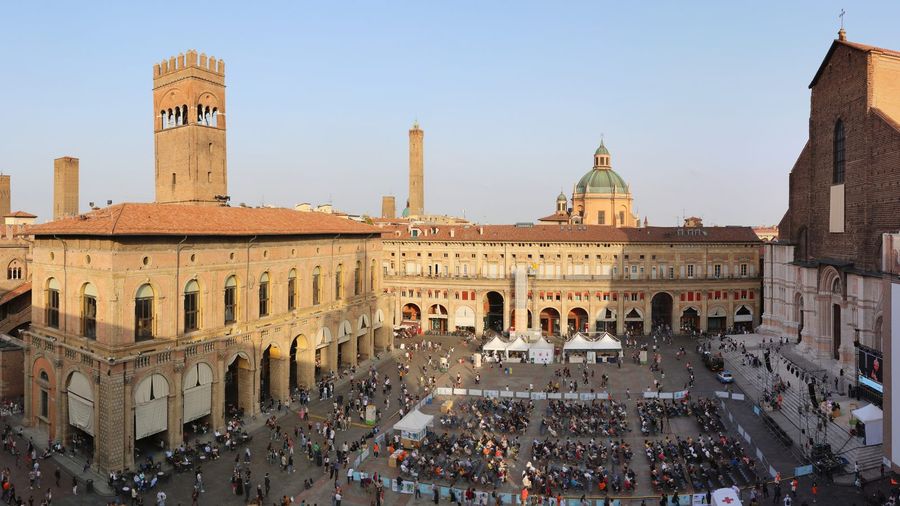
The best time to visit Bologna is late spring (late April to early June) and early autumn (September to early October), when the weather is warm but dry, the university is in full term, and crowds stay manageable. July and August are hot and humid in the Po Valley; winter is foggy, cheap, and quiet apart from trade-fair weeks.
Bologna rewards timing more than most Italian cities because of where it sits. The capital of Emilia-Romagna lies on the flat Po Valley, a basin that traps summer humidity and winter fog. That geography, not the tourist calendar alone, decides how comfortable your days feel. Get the season right and Bologna delivers long porticoed walks, open-air markets, and food at its best.
The short answer on when to go
If you can choose freely, aim for the second half of May or the back half of September — warm terraces, dry evenings, and a city still humming with students.
Those two windows combine the mildest weather with the full rhythm of a working university town. The University of Italy's oldest city keeps term running from autumn through late spring, so cafés, bookshops, and nightlife feel alive. Summer empties the student quarters and turns muggy; deep winter is atmospheric but cold and grey. Spring and early autumn avoid both extremes while keeping prices below the peaks.
Bologna month by month
Bologna's weather swings from near-freezing, fog-bound winters to hot, sticky summers, with two gentle shoulder seasons in between. The table below weighs temperature, crowds, and rainfall so you can match the month to your priorities.
| Month | Typical high/low (°C) | Crowds | Rain | Notes |
|---|---|---|---|---|
| Jan–Feb | 4–8 / 0–2 | Low | Low, foggy | Cheapest; Arte Fiera lifts hotel prices |
| Mar | 13 / 4 | Low–Medium | Medium | Cool, variable; quiet streets |
| Apr | 17 / 8 | Medium | Medium | Spring arrives; Easter can spike demand |
| May | 23 / 13 | Medium–High | Medium | Ideal weather and energy |
| Jun | 27 / 17 | High | Lower | Warm; open-air season begins |
| Jul–Aug | 31 / 19 | Low–Medium | Low, humid | Hot, sticky; students gone |
| Sep | 25 / 15 | Medium–High | Medium | Arguably the finest month |
| Oct | 19 / 10 | Medium | High | Lovely early, wetter late |
| Nov–Dec | 9 / 3 | Low | High, foggy | Fog returns; Christmas markets in December |
Spring and early autumn: the sweet spot
These shoulder months give you warm, walkable days without summer's heat or winter's damp, plus a city at full social strength.
In May and September, daytime temperatures sit in the low-to-mid 20s°C, perfect for the long covered walks that define Bologna. You can trace the porticoes from Piazza Maggiore out toward the hilltop Sanctuary of San Luca without wilting or shivering. The brick facade of the Basilica of San Petronio glows in the softer light, and terrace dinners are comfortable well into the evening.
These months also carry the city's cultural momentum. The university is in session, so the historic centre feels local rather than hollowed out. Food tours run at full strength, markets are busy with seasonal produce, and autumn adds truffles and new-harvest ingredients to menus. Book a few weeks ahead for the better food-focused guides, who fill up quickly once the weather turns pleasant.
Rain is the main caveat. Spring showers pass quickly, but October is statistically one of Bologna's wettest months, so an early-autumn trip is safest in the first half. The porticoes blunt the inconvenience either way, letting you keep walking the arcaded streets between the squares even when a shower rolls through the valley.
Summer: heat, humidity, and an emptier city
July and August are the Po Valley's muggiest stretch, but the student exodus leaves the centre uncrowded if you can handle the stickiness.
Summer highs regularly reach 30–33°C, and the valley's trapped humidity makes it feel heavier than the number suggests. Midday is for shade, museums, or a long lunch rather than walking tours. The upside is space: with students away and many residents at the coast, you share Piazza Maggiore with far fewer people than you would in nearby Venice or Florence.
Bologna leans into its summers with an open-air cultural programme. Evenings bring outdoor concerts, late-opening courtyards, and, in Piazza Maggiore, the beloved open-air cinema season that screens restored classics under the stars from late June. Plan your sightseeing for early morning and after sunset, rest through the hottest hours, and summer becomes workable rather than punishing.
Winter: fog, low prices, and trade fairs
From November to February Bologna is cold, foggy, and quiet — the cheapest time to come, as long as you dodge the trade-fair weeks that spike hotel rates.
The fog (nebbia) that settles over the Po Valley is genuinely atmospheric, softening the towers and arcades into something cinematic. Days hover near freezing in the morning and rarely climb far, but the porticoes keep you dry and sheltered, and the food culture is built for cold weather: rich ragù, brothy tortellini, and warming trattoria lunches. December adds the Santa Lucia Christmas market and festive lights to the arcaded streets.
One Bologna-specific trap overrides the season entirely. The city is a major convention hub, and events at BolognaFiere — Arte Fiera in winter, Cersaie, Lineapelle, and others across the year — can fill hotels region-wide and double room rates overnight. Always cross-check your dates against the fair calendar before booking; an off-season week can cost peak-season money if a big fair is in town.
Choosing tours by season
The right tour shifts with the weather: food and cooking experiences work year-round indoors, while long portico and hilltop walks reward the dry shoulder months.
| Tour type | Price (per person) | Best season | Why |
|---|---|---|---|
| Food walking tour | €70–100 | Year-round | Quadrilatero market and tastings suit any weather |
| Cooking class | €80–150 | Year-round | Indoor; ideal on hot or foggy days |
| Private city tour | €150–250 (group) | Spring, autumn | Comfortable walking the porticoes and squares |
| San Luca portico walk | Guide optional | May–Jun, Sep | The 3.8 km climb needs dry, mild days |
For food experiences, choose guides with real culinary grounding rather than generic city training — Bologna is where ragù and tortellini originate, and a knowledgeable host turns the Quadrilatero market from a photo stop into the heart of the day. Many city walks also pass the leaning Two Towers, though the Asinelli climb has been suspended during conservation work, so treat the towers as a landmark rather than a viewpoint for now.
Budgeting across the seasons
Bologna is more affordable than Italy's headline cities, and your travel month moves the dial further — winter undercuts summer, while fair weeks erase any season's savings.
| Season | Hotel (mid-range double) | Overall value | Watch for |
|---|---|---|---|
| Winter (Jan–Feb) | €70–110 | Best value | Arte Fiera spikes |
| Spring (Apr–Jun) | €110–160 | Good | Easter, May weekends |
| Summer (Jul–Aug) | €90–130 | Fair | Heat, reduced hours |
| Autumn (Sep–Oct) | €120–170 | Good | September fairs |
Meals stay reasonable all year: a generous trattoria lunch runs well under what the same plate costs further north in Milan, and aperitivo culture means an early-evening drink often comes with a free buffet. The biggest single variable in your budget is not the season but whether a trade fair overlaps your stay, so lock that check in before anything else.
If flexibility matters more than weather, a weekday winter visit outside fair dates is Bologna at its cheapest — quiet museums, available tables, and the lowest room rates of the year. Travellers chasing the best climate pay a premium for May and September weekends, so midweek dates in those months stretch a budget noticeably further without giving up the mild conditions.
Getting around and local logistics
Bologna's compact, portico-sheltered centre is made for walking in any weather, which softens the impact of whichever season you pick.
The 40 kilometres of UNESCO-listed porticoes mean rain or sun rarely interrupts a walk, and the historic core is small enough to cross on foot in twenty minutes. Buses reach the outer neighbourhoods and the central station, and bike-sharing covers the flat streets well. From the station, fast trains put Florence around 40 minutes away and Milan about an hour, so Bologna also works as a mild-season base for wider Emilia-Romagna and Tuscany trips.
A few seasonal habits pay off. Visit the Quadrilatero market before noon, when it is liveliest, whatever the month. Carry a light layer in spring and autumn for cool evenings, and a compact umbrella in October and November. Above all, treat the fair calendar as the first line of your plan — in Bologna, timing your trip is as much about what is booked into the convention halls as it is about the sky.
Save Best Time to Visit Bologna: A Season-by-Season Guide
Save Best Time to Visit Bologna: A Season-by-Season Guide to your free account
Sign in or create a free account to keep this place in Saved places and add it to your trips.
Frequently Asked Questions
When is the best time to visit Bologna?
Late April to early June and September to early October bring the most comfortable weather, lively university energy, and manageable crowds, making them the best overall windows for a first visit.
Is Bologna too hot in summer?
July and August are hot and humid, often reaching 30 to 33 degrees Celsius, because the Po Valley traps moisture. Many students and residents leave, so the city feels quiet but sticky at midday.
Does it really get foggy in Bologna in winter?
Yes. From November through February the Po Valley produces frequent fog and damp, chilly days near freezing, which keeps tourist numbers and hotel prices low outside trade-fair weeks.
Why do Bologna hotel prices suddenly spike?
Bologna is a major trade-fair city, and events like Arte Fiera, Cersaie, and Lineapelle fill hotels across the region regardless of season. Check the BolognaFiere calendar before booking any dates.
Can you still climb the Asinelli Tower?
Climbs of the Asinelli Tower have been suspended during conservation work on the neighbouring Garisenda, so confirm the current status on the official ticket site before planning your visit around the view.