
Walking Routes
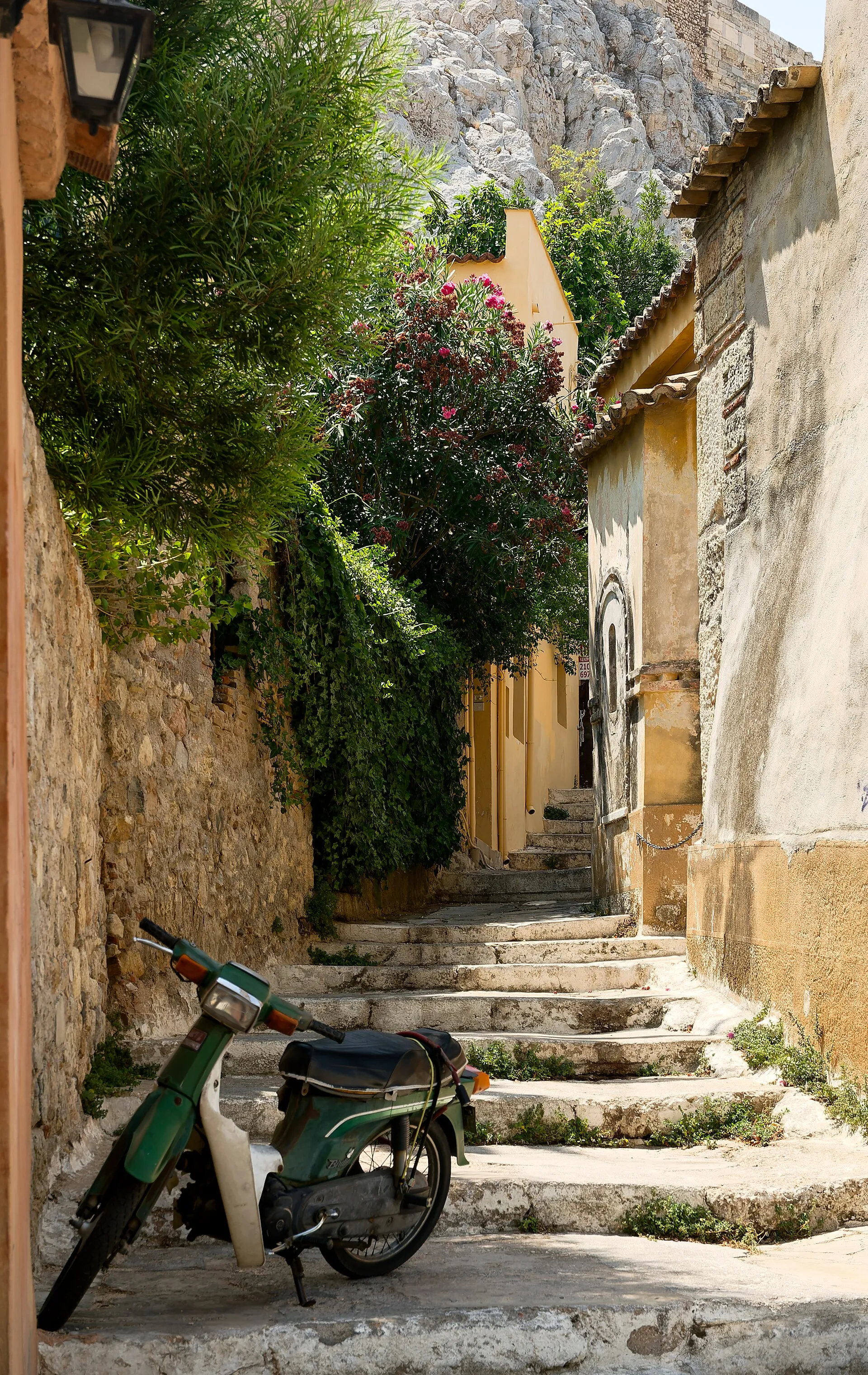
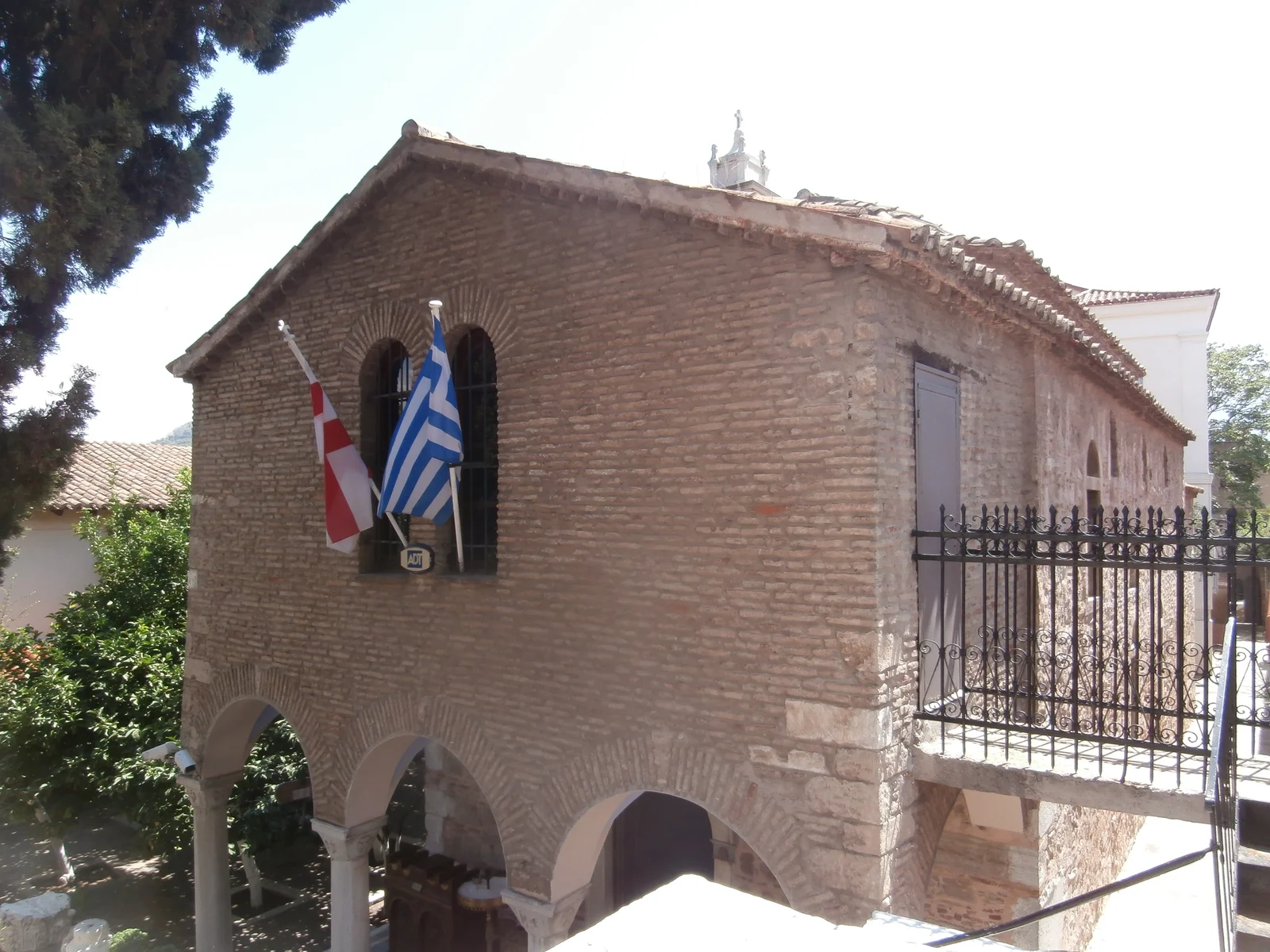
Start at Monastiraki Square, a two-minute walk from Monastiraki metro station (Lines 1 and 3), and weave through Adrianou Street toward the Roman Agora and the Tower of the Winds. Climb the narrow stairways into Anafiotika, a Cycladic island village recreated on the Acropolis slopes by 19th-century builders from Anafi island who carried their whitewashed, blue-shuttered style with them. Loop past the Church of Panagia Kapnikarea, an 11th-century Byzantine gem sitting amid modern shops. Continue to the Lysicrates Monument and the Arch of Hadrian before finishing at the Acropolis Museum near Akropoli station (Line 2). Allow 3-4 hours for the full route with stops for coffee and photos.
Local Life
Traditional kafeneia are where old men play tavli (backgammon) over strong Greek coffee, a scene unchanged for generations. Artisan workshops tucked in back alleys keep alive traditions of leather craftsmanship, icon painting, and silver jewelry making. Evening dining follows the Greek rhythm: locals eat late (9-11 PM), so early dinner crowds are all tourists. Live bouzouki music spills from open-air tavernas, especially on weekends. The Monastiraki flea market on Sundays is part treasure hunt, part social gathering. Plaka food staples include souvlaki, moussaka, and loukoumades (honey-drizzled doughnut balls).
Plaka in Pictures
When to Visit
Morning: 9-11 AM for shops opening, cafes brewing, and fewer tourists. Evening: 7-10 PM when tavernas come alive with locals dining and a perfect atmosphere. Sunday mornings bring the flea market at Monastiraki and quieter streets. Avoid midday cruise ship hours (11 AM-3 PM) when streets are packed. Plaka is an open-air neighborhood with charm in every season.
Admission and Costs
Walking freely: free to explore on your own. Group walking tours: €20-35 per person (food and history tour, 2-3 hours). Food tours: €60-90 per person (includes 5-7 tastings, 3-4 hours). Private guide: €150-250 for up to 6 people (half-day neighborhood tour). Evening taverna tours: €70-100 per person (dinner, wine, and music included). Museum of Greek Popular Musical Instruments: free entry.
The Case for a Guide
Plaka rewards a guided walk precisely because its story hides in plain sight: a single lane can conceal a Roman-era wall, a Byzantine chapel, and a 19th-century island settlement within fifty metres. A local guide on a Plaka neighborhood tour ties those layers together -- explaining why Anafiotika's houses look Cycladic, reading a taverna menu so you order like a resident, and pointing out details a self-guided visitor walks straight past. Guides also steer you away from the aggressive restaurant touts on the main drag and toward the family-run kitchens locals actually use.
- One continuous narrative linking the Roman Agora, the Tower of the Winds, and Hadrian's legacy
- The back-alley route into Anafiotika that most independent visitors never find
- Honest "worth it / skip it" calls on shops, small museums, and tavernas
- Food-tour tastings of souvláki, loukoumádes, and Greek coffee, each with its story
- Insider timing to dodge the 11 AM-3 PM cruise-ship crush in the narrow lanes
Tips for Visitors
Comfortable shoes are essential for cobblestone streets and uneven surfaces. Bargaining is acceptable in souvenir shops (not restaurants) -- polite negotiation is expected. Avoid aggressive restaurant promoters on the main drag and instead duck into quieter side streets for authentic spots. Cash is preferred at many small shops and tavernas that do not accept cards. Siesta hours (2-5 PM) mean some shops close, reopening for the evening. Ask permission before photographing shop interiors or locals. Allow 3-4 hours to spend a full afternoon exploring and dining.
🎧 Audio companion for Plaka
Read the introduction transcript
Plaka opens our free, self-guided Athens: Acropolis & Plaka audio walk. The first two stops keep you down in the old town at the foot of the rock: you get your bearings at the edge of Monastiraki, then thread up into Anafiotika, the pocket of whitewashed, island-style cottages that homesick builders from the Cyclades raised on the northern slope in the nineteenth century.
From there the route climbs out of the lanes and swings around to the western gate of the Acropolis before returning to earth at the Acropolis Museum. Open the full walk to read the complete narration for each stop — or have your browser read it aloud — as you wander the neighbourhood, with no ticket, no app and nothing to pay.
Frequently Asked Questions
During which season is Plaka most enjoyable to explore?
May and September through October deliver the ideal balance of warm taverna evenings, outdoor dining beneath the Acropolis, and manageable foot traffic through the narrow lanes. Summer remains lively but July heat can make midday wandering uncomfortable, while the shoulder seasons let you linger at sidewalk cafes and browse artisan workshops without the crush of peak-season crowds.
What time of day is best for exploring Plaka?
Morning: 9-11 AM - shops opening, cafes brewing, fewer tourists. Evening: 7-10 PM - tavernas come alive, locals dining, perfect atmosphere. Sunday mornings: Flea market at Monastiraki, quieter streets.
How much should visitors budget for Plaka?
Walking freely: Free to explore on your own. Group walking tours: €20-35 per person (food/history tour, 2-3 hours). Food tours: €60-90 per person (includes 5-7 tastings, 3-4 hours).
What are the key landmarks to look out for on a walking tour of Plaka?
Anafiotika - Cycladic island village recreated on Acropolis slopes. Church of Panagia Kapnikarea - 11th century Byzantine gem amid modern shops. Roman Agora - Tower of the Winds, ancient marketplace ruins.
Where is Plaka in Athens, and how do I get there?
Plaka wraps around the northern and eastern slopes of the Acropolis, framed by Monastiraki, Syntagma Square, and the Acropolis Museum. Three metro stations sit within a five-minute walk of its edges: Monastiraki (Lines 1 and 3), Akropoli (Line 2), and Syntagma (Lines 2 and 3). From the airport, take Line 3 to Monastiraki or Syntagma; the historic core is entirely pedestrian, so you always arrive on foot.
Why is Plaka called the old town of Athens?
Plaka is the oldest continuously inhabited district of Athens, occupying the original town that grew around the Acropolis before the 19th-century capital expanded outward. Its street plan preserves ancient and Ottoman-era pathways, and its neoclassical houses, Byzantine churches, and Roman ruins survive largely intact -- which is why Athenians and guidebooks call Plaka the city's old town.
Is a Plaka walking tour worth it?
For a first visit, yes. Plaka's layers -- a buried Roman wall, a Byzantine chapel, and the Cycladic village of Anafiotika -- are easy to walk straight past without context. A 2-3 hour guided walk (typically €20-35 / $22-38 per person) connects the history, steers you past aggressive restaurant touts toward family-run tavernas, and finds the back-alley route into Anafiotika. Confident independent explorers can self-guide the free lanes just as happily.
What does a Plaka neighborhood tour usually cover?
A standard Plaka neighborhood tour starts near Monastiraki, threads Adrianou Street to the Roman Agora and Tower of the Winds, climbs into Anafiotika on the Acropolis slopes, and passes the 11th-century Panagia Kapnikarea church, the Lysicrates Monument, and Hadrian's Arch. Food-focused versions (€60-90 / $65-98) add tastings of souvlaki, loukoumades, and Greek coffee along the way.