Cited city facts
Key facts for visiting Giza
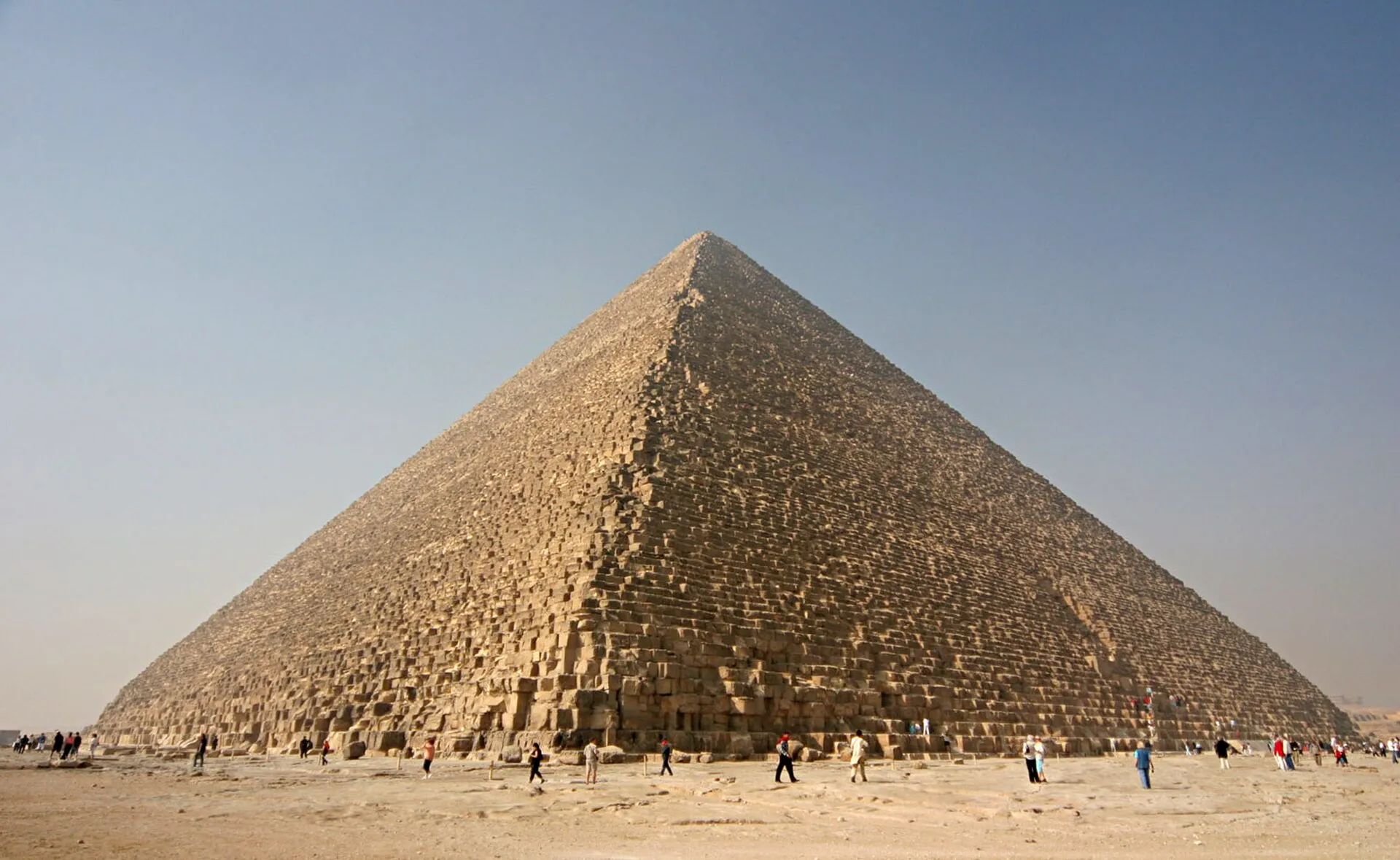
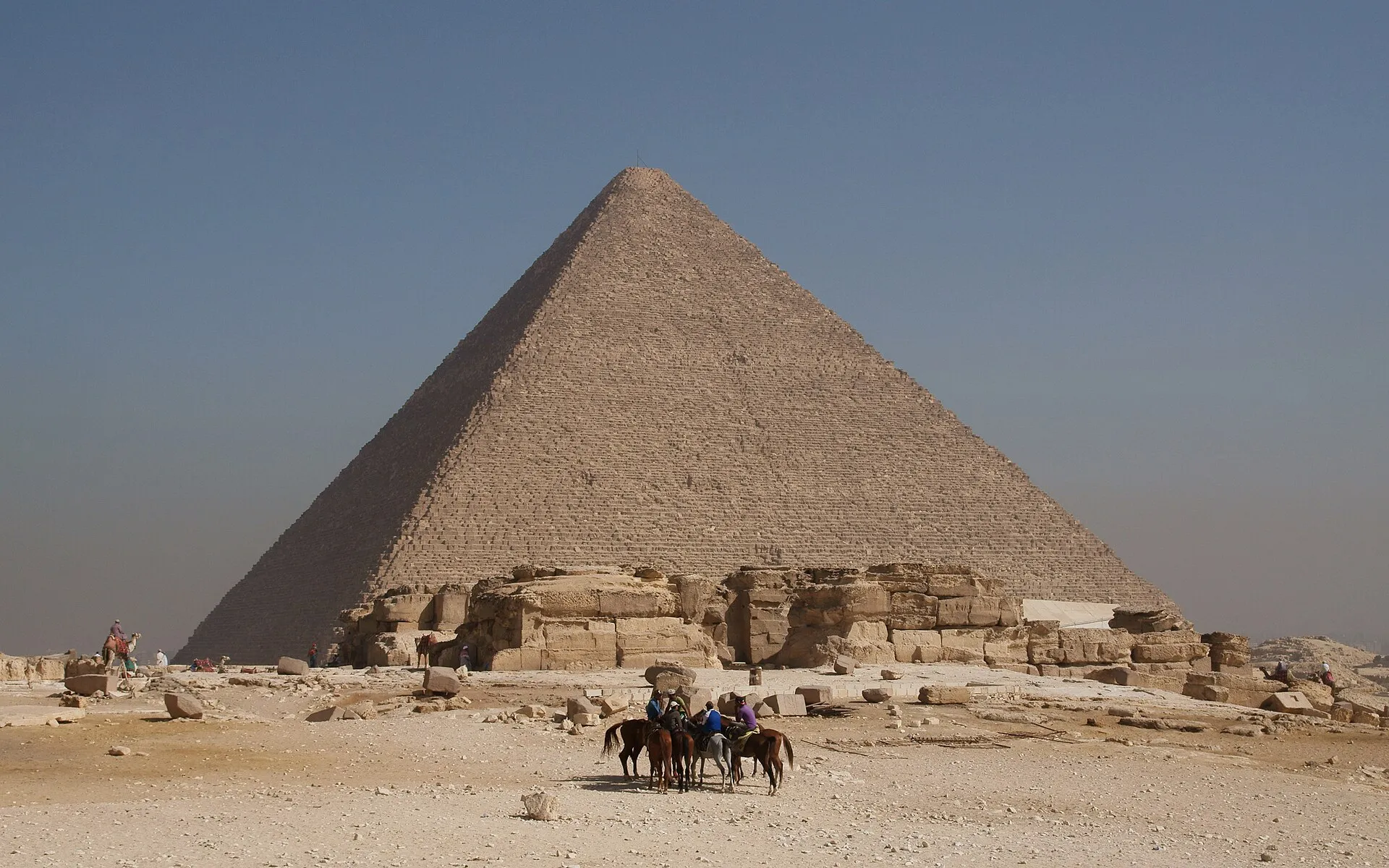
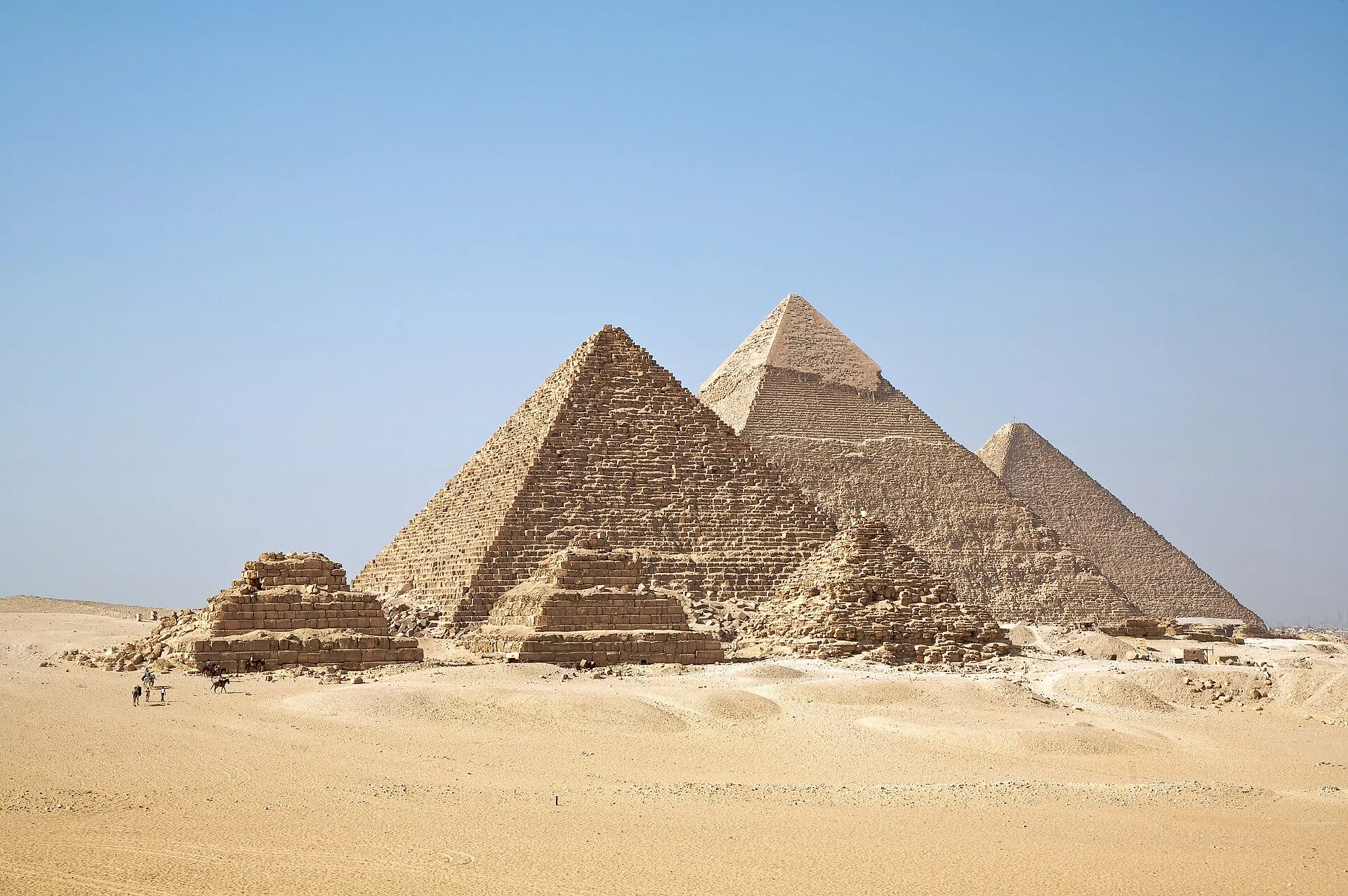
The Great Pyramid was raised from an estimated 2.3 million stone blocks
Each block averages 2.5 tonnes, and the granite slabs roofing the King's Chamber weigh up to 80 tonnes, hauled from quarries at Aswan more than 800 kilometres to the south.
The Great Pyramid held the tallest-structure record for about 3,800 years
At its original height of 146.6 metres, Khufu's pyramid remained the tallest human-made structure on Earth from around 2560 BC until Lincoln Cathedral's spire surpassed it in roughly 1311 AD.
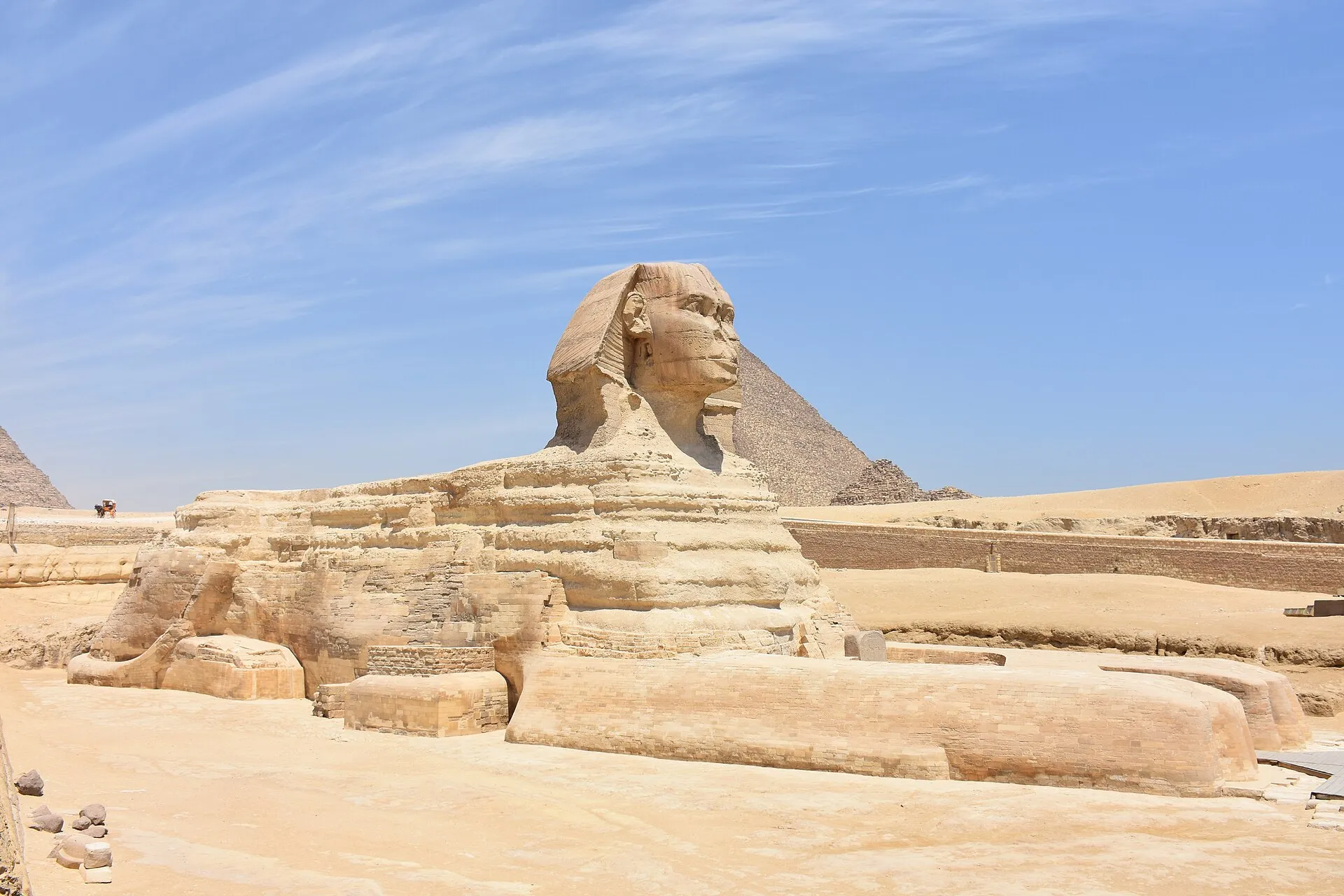
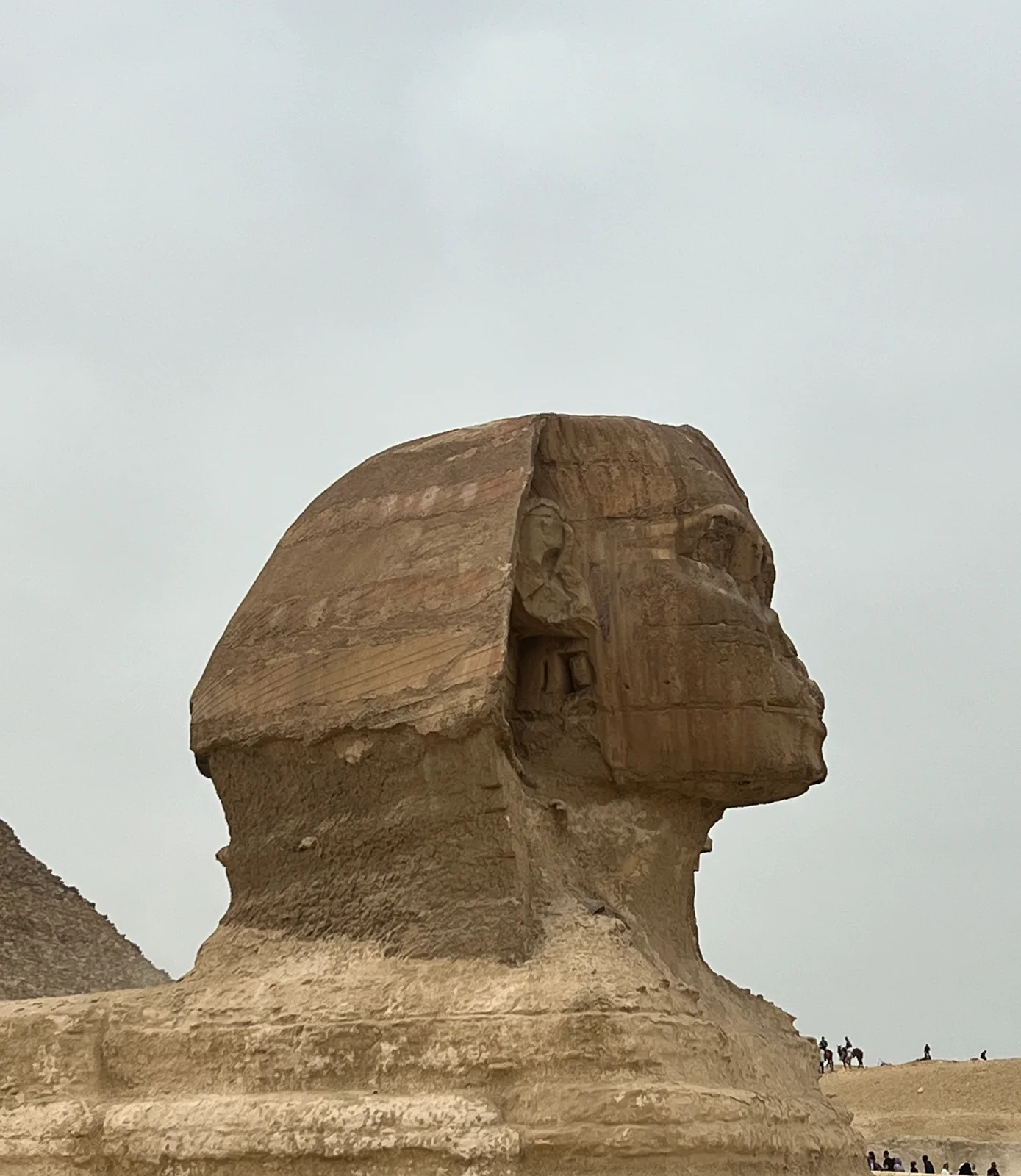
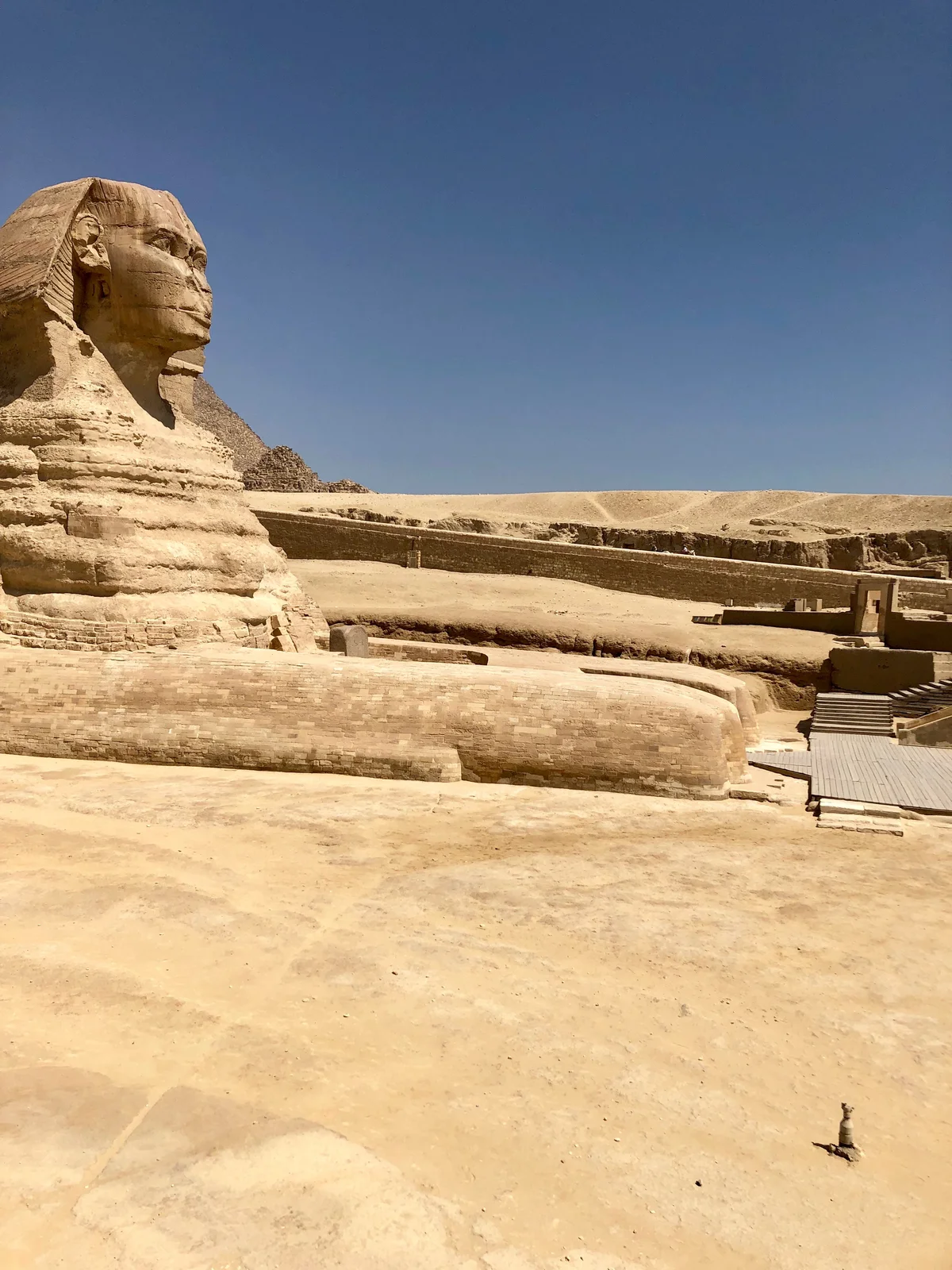
The Great Sphinx measures 73 metres long and 20 metres high
Carved directly from the natural limestone bedrock of the Giza Plateau, the Sphinx is the largest monolithic statue surviving from the ancient world and guards the eastern edge of the necropolis.
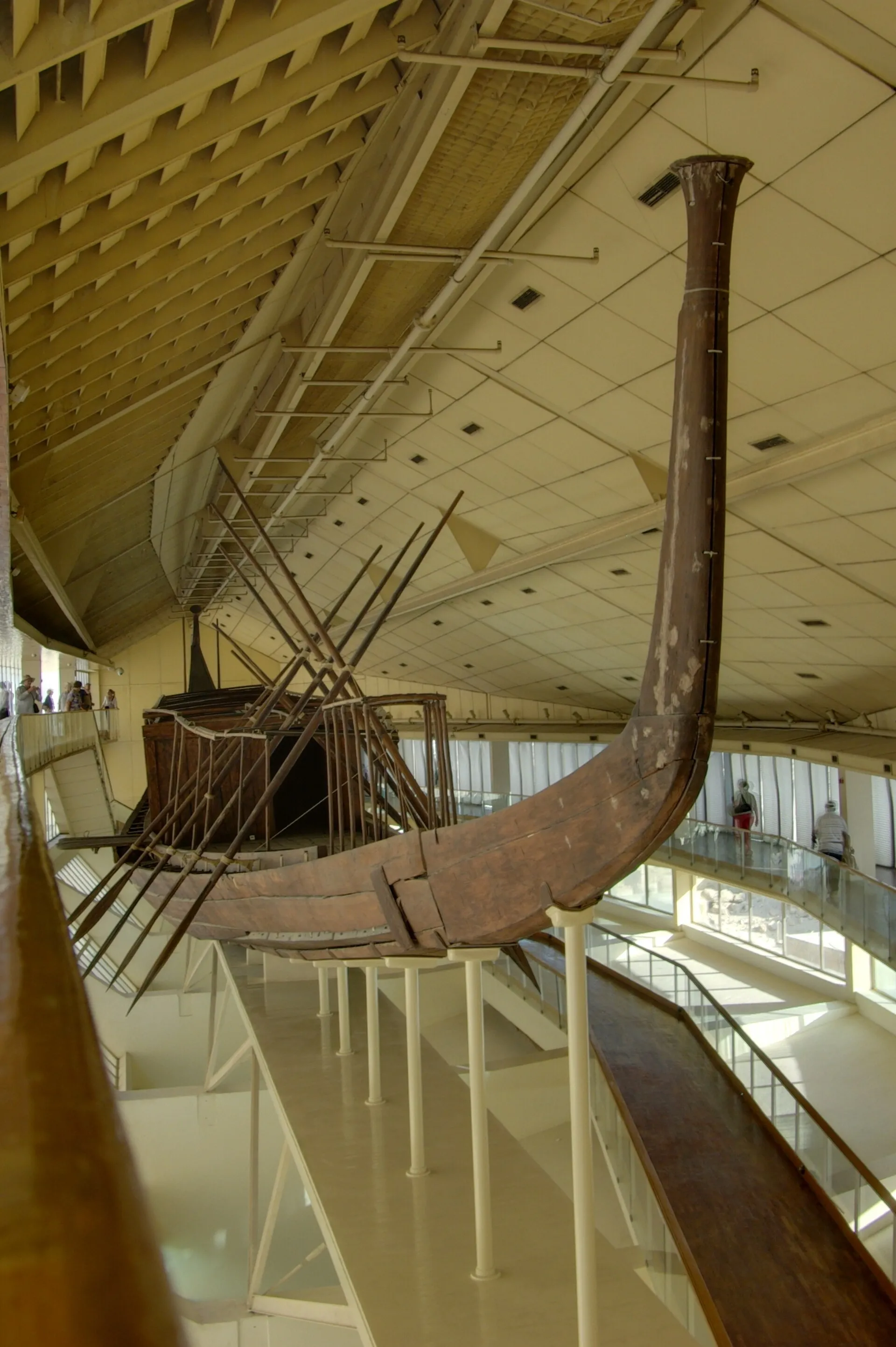
Khufu's solar boat lay sealed in a pit for 4,600 years
Discovered in 1954, the 43.6-metre cedar vessel was found disassembled into 1,224 pieces and took 14 years to reconstruct; it now stands in the Grand Egyptian Museum beside the plateau.
The Grand Egyptian Museum beside the plateau holds over 100,000 artefacts
The world's largest archaeological museum devoted to a single civilisation, the GEM displays Tutankhamun's complete 5,398-piece tomb collection together for the first time since its 1922 discovery.
Source: tour-guide.com — Free to cite with attribution
Things to see
What are the top attractions in Giza?
- Inside the Great Pyramid — Climb the corbelled Grand Gallery and stand in the King's Chamber, a granite vault at the heart of Khufu's monument; only 300 interior tickets are sold each day
- The Sphinx at dawn — The Great Sphinx catches the first rays of sunrise directly on its face, a moment ancient priests may have observed daily
- Khufu's funeral barge — See 1,224 pieces of Lebanese cedar meticulously reassembled at the Solar Boat Museum, now housed in the Grand Egyptian Museum
- Panoramic viewpoint — Walk to the desert ridge southwest of Menkaure's pyramid for the classic three-pyramid photograph without the crowds
- Sound and Light Show — An evening spectacle that projects images onto the pyramids while the Sphinx narrates the story of ancient Egypt in rotating languages
- Workers' Village ruins — Recently excavated barracks, bakeries, and breweries that housed the pyramid builders, overturning the myth of slave labour
Great Pyramid of Khufu
The sole surviving Ancient Wonder of the World, standing since 2560 BC
Great Sphinx of Giza
Enigmatic limestone guardian watching over the Giza necropolis for 4,500 years
Solar Boat Museum
A 4,600-year-old royal vessel reassembled from over a thousand cedar pieces
Guide planning
How much does a tour guide cost in Giza?
Giza sits within Egypt's busiest tourism corridor, and the difference between a mediocre visit and a revelatory one hinges almost entirely on your guide. The Ministry of Tourism licenses Egyptologist guides by examination, so a qualified guide not only reads hieroglyphics but shields you from the touts working the gates. Rates scale with group size and how far the itinerary ranges:
| Tour type | Typical price |
|---|---|
| Group half-day (plateau + Sphinx, 3–4 hrs) | $30–50 per person |
| Private half-day Egyptologist (up to 5) | $100–160 including transport |
| Private full-day (plateau + Grand Egyptian Museum or Cairo, up to 5) | $150–300 |
| Sunrise or photography specialist | $100–200 per person |
Site entry is always separate from the guiding fee: general plateau admission is EGP 540 (about $11), and the interior of the Great Pyramid costs an extra EGP 600 (about $12). Budget a little cash for baksheesh — small tips of EGP 20–100 for site guards and drivers are customary across Egypt.
Season planner
When is the best time to visit Giza?
October through March is the only genuinely comfortable window, when daytime highs settle in the mid-20s Celsius and the shadeless plateau becomes bearable for a half-day on foot. November and February are the sweet spot, combining mild afternoons with the clearest skies of the year; December and January mornings can be surprisingly cool at around 12°C (54°F), so bring a light layer for an early start.
Spring brings the khamsin — hot, sand-laden winds that can grey out the horizon between March and May and blunt the classic three-pyramid photograph. Summer (June–August) routinely exceeds 40°C (104°F) with almost no shade, punishing but rewarded by thinner crowds if you arrive at the 8 AM opening. During Ramadan the plateau closes earlier, typically around 4 PM, so confirm hours before you go. The nightly Sound and Light Show runs year-round in rotating languages, and any day of the week is quieter than Fridays and Egyptian public holidays.
Spring
Mar-May
Summer
Jun-Aug
Autumn
Sep-Nov
Winter
Dec-Feb
Each score averages that season’s monthly ratings out of 5. The top-rated window is usually the peak season too, so read the guidance above for its trade-offs before you book.
On the ground
How do you get around Giza?
- Currency — Egyptian Pound (EGP). Bring small bills for tips, water vendors, and camel ride operators who rarely carry change
- Getting there from Cairo — The plateau is about 20–30 minutes from central Cairo by car. Cairo Metro Line 2 reaches Giza station, from which a short taxi or microbus covers the final stretch; Uber and Careem are widely used and spare you the fare haggling
- Two gates — The main gate sits at the top of the plateau beside the historic Mena House hotel; a quieter lower gate opens by the Great Sphinx at the eastern edge, handy for the evening show
- Dress for the desert — Lightweight, breathable clothing, closed-toe shoes with grip, a hat, and sunscreen are essential
- Arrive at opening — The plateau opens at 8 AM. Arriving early means cooler temperatures and far fewer tour buses, especially near the Sphinx
- Persistent touts — Unlicensed camel handlers, souvenir sellers, and self-appointed "guides" cluster at entry points. A firm but polite refusal works; your licensed guide will intercept most approaches
- Hydration — Carry at least 1.5 litres of water per person. There is very little shade on the plateau and walking distances between monuments are substantial
- Combine nearby sights — Many full-day itineraries pair the plateau with the Grand Egyptian Museum next door or the Egyptian Museum and Islamic Quarter back in Cairo
Giza in Pictures
Frequently Asked Questions
What is the best time to visit Giza?
October through March is the comfortable season, when daytime highs hover in the mid-20s Celsius and December–January mornings can dip to a crisp 12°C (54°F). November and February are the sweet spot, pairing mild weather with clearer skies than the dusty khamsin winds of spring. Summer regularly tops 40°C (104°F) on the shadeless plateau, so a summer visit means arriving at the 8 AM opening.
How much does a tour guide cost in Giza?
A shared half-day walking tour of the plateau and Sphinx runs about $30–50 per person, while a private licensed Egyptologist for up to five people costs roughly $100–160 for a half day and $150–300 for a full day pairing the pyramids with the Grand Egyptian Museum. Sunrise and photography specialists sit at $100–200 per person. Site tickets — Giza Plateau EGP 540 (about $11) and Great Pyramid interior EGP 600 (about $12) — are always separate from the guiding fee.
How do you get around Giza?
From central Cairo the plateau is a 30-to-45-minute taxi or Uber/Careem ride; on public transport, Cairo Metro Line 2 reaches Giza station, from which a short taxi or microbus covers the last stretch to the main gate by the Mena House hotel. The monuments themselves are spread across roughly two kilometres of open desert, so plan to walk between them, hire a licensed calèche, or use your guide's car to shuttle between the pyramids, the Sphinx enclosure, and the panoramic ridge.
Is the Grand Egyptian Museum close to the pyramids?
Yes. The Grand Egyptian Museum stands about two kilometres northeast of the plateau, within sight of the pyramids, and now displays Khufu's reassembled solar boat alongside Tutankhamun's complete collection. Many full-day itineraries pair a dawn visit to the plateau with an afternoon in the museum, since the two sit close enough to combine without returning to central Cairo.