
Country guide
What makes Chile a must-visit destination?
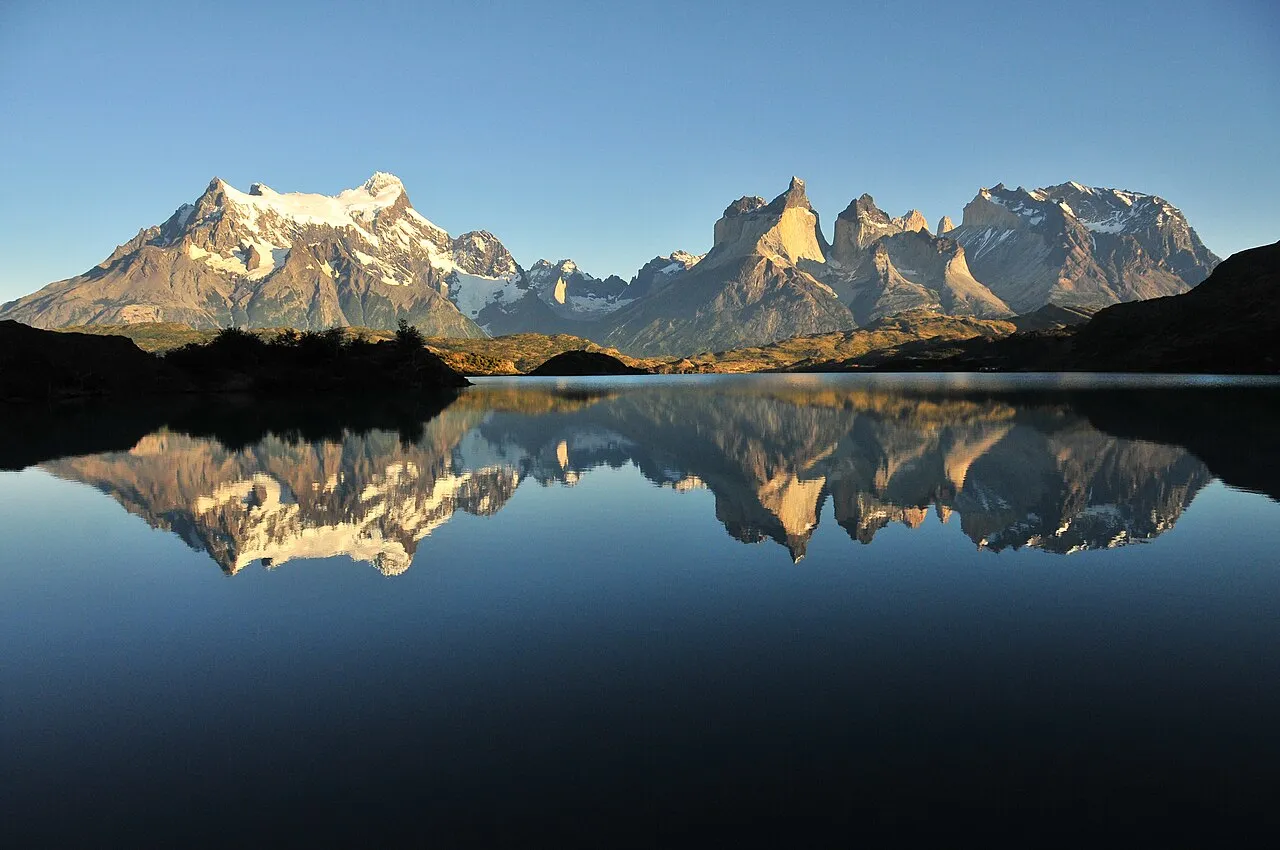
Chile defies every expectation of what a single country can contain. Its impossible geography — a sliver of land wedged between the Andes and the Pacific, stretching from the tropics almost to Antarctica — creates ecosystems and landscapes that exist nowhere else in quite the same combination. The Atacama Desert in the north is the driest place on earth, where salt flats mirror flamingo flocks and geysers erupt at 4,200 meters. The Central Valley produces world-class Carménère and Cabernet Sauvignon in a Mediterranean microclimate sustained by Andean snowmelt. And Patagonia — shared with Argentina — contains the largest temperate rainforest in the Southern Hemisphere, granite towers rising from the ice fields, and hiking trails that attract visitors from around the world for a season measured in weeks.
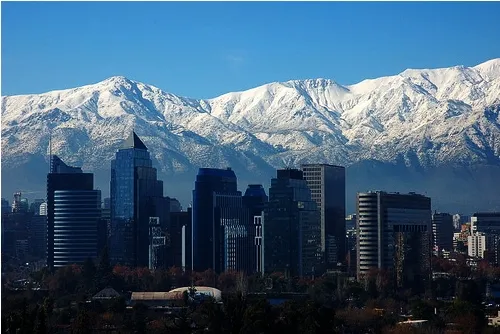
Santiago anchors the center — a sophisticated, cosmopolitan capital of 7 million set 100 kilometers from both the Pacific coast and 6,000-meter Andean peaks. It is also Chile's primary arrival point, and a city that rewards visitors who look beyond its glass-towers-and-highways first impression to find the historic neighborhoods of Lastarria, the political history encoded in Plaza de Armas, and a food scene that has quietly become one of the best in South America.
Local guides make Chile's depth accessible. The Atacama's geology requires a specialist to explain why the same valley floor holds ancient petroglyph sites, flamingo-filled salars, and geothermal activity side by side. Patagonia's weather changes by the hour — guides who know the park's micro-climates save time and prevent dangerous situations. And in Santiago, the political history from the Pinochet era to the 2019 social uprising is still written on walls and in buildings that require context to understand.
- Language
- Spanish Widely spoken across Chile
- Currency
- Chilean peso (CLP $) Legal tender across Chile
- Time zone
- UTC−3 Local time in Chile
- Power plugs
- Types C, L · 220V Sockets used across Chile
- Getting around
- Domestic flights & long-distance buses Getting between Chile's cities
- Best months
- Mar, Apr, May, Aug, Sep, Oct, Nov Averaged across Chile's city ratings
Chile timeline
-
Santiago founded
Spanish settlement at the Mapocho valley created the capital axis visitors still navigate.
-
First governing junta
The Santiago junta opened the independence period remembered in civic squares and museums.
-
Independence secured
The independence victory shaped national monuments, civic rituals, and museum narratives.
-
Pacific War settlement
The war expanded Chiles northern mining regions and altered the Atacama travel map.
-
Military coup
The coup left memory sites and political history that guides handle carefully in Santiago.
-
Democracy returns
Civilian rule resumed, changing how modern Chile presents its public spaces and institutions.
Local context
Culture and travel signals
Chile is 4,329 km long but averages only 177 km wide
Stretching from latitude 17°S to 55°S, Chile spans more latitudinal degrees than the continental US, crossing tropical desert, Mediterranean, temperate, and sub-polar climate zones — all within a country narrower than California
Atacama Desert is the driest non-polar desert on earth
Some weather stations in the Atacama have never recorded measurable rainfall; the average precipitation is just 1–3 mm per year in core areas, creating landscapes so Mars-like that NASA has used the Atacama to test rovers intended for the red planet
Chile produces more than 1 billion liters of wine per year
The Central Valley's unique combination of Andean meltwater irrigation, Mediterranean climate, and phylloxera-free soils — some vines are over 100 years old — has made Chile the world's fourth largest wine exporter, renowned especially for its Carménère, the "lost grape" of Bordeaux
Patagonia's Torres del Paine receives just 130,000 visitors per year
Strict permit caps and remote location protect one of the world's most spectacular national parks; the W Trek and O Circuit have mandatory reservations months in advance during the November–March window, and demand consistently exceeds supply for prime huts and campsites
Source: tour-guide.com — Free to cite with attribution
Season planner
A year in Chile
Use this best time to visit snapshot as a country-wide average, then check the city guides for local timing.
Mar-May
Spring
Spring is Chile's strongest guide window — Mar-May (4.7/5) across its cities.
Jun-Aug
Summer
Summer stays workable in Chile at Jun-Aug (3.3/5), so lean on city-by-city timing.
Sep-Nov
Autumn
Autumn is Chile's strongest guide window — Sep-Nov (4.7/5) across its cities.
Dec-Feb
Winter
Winter stays workable in Chile at Dec-Feb (3/5), so lean on city-by-city timing.
Where should you go in Chile?
Santiago
Santiago rewards visitors who penetrate its busy surface. The Plaza de Armas anchors a colonial city center that also contains the oldest building in Chile, while San Cristóbal Hill provides an Andes-framed panorama over the entire metropolitan basin. The bohemian Lastarria neighborhood is Chile's literary and gallery quarter, and the dedicated La Chascona Museum lets visitors inside the private world of Nobel laureate Pablo Neruda.
The Wine Valleys
The Maipo Valley is just 30 minutes from Santiago — Chile's premier Cabernet country, where historic estates like Cousiño Macul and Concha y Toro offer tours through vineyards that have been producing since the 19th century. The Casablanca Valley between Santiago and Valparaíso is cooler, dominated by Chardonnay and Pinot Noir. Colchagua further south is Chile's Napa equivalent — purpose-built wine tourism infrastructure with a dedicated wine train.
Valparaíso & Patagonia
Valparaíso — two hours from Santiago by bus — is a UNESCO city of street art, funicular elevators, and painted hillside houses that rivals any city in South America for visual character. And at the far end of the country, Torres del Paine National Park contains the famous granite towers and glaciers that define Chile's global adventure brand — reachable by flight to Punta Arenas followed by a three-hour bus.
Must-see attractions across Chile
These are the sights travelers cross Chile for, each anchored to its own city. Pair one with a guide and the context comes alive.
What do visitors need to know about Chile?
Finding a Guide
- SERNATUR (Chile's national tourism service) maintains a register of licensed operators and guides; always verify guide licensing for outdoor adventures and national parks
- Santiago specialist guides run highly regarded tours through the political history of the Pinochet era, Pablo Neruda's homes, and the 2019 social uprising — knowledge impossible to access from a guidebook
- Atacama certified guides are essential for high-altitude excursions; altitude sickness is a real risk above 4,000 meters and properly trained guides carry emergency oxygen
- Patagonia operators — AMII (Chilean Mountain Guide Association) certification is the standard for trekking guides in Torres del Paine; always book licensed guides well in advance
Typical Costs
| Tour Type | Price Range |
|---|---|
| Group Santiago walking tour | CLP 10,000–25,000 ($12–30) per person |
| Private half-day Santiago guide | CLP 60,000–150,000 ($70–175) |
| Wine valley day trip from Santiago | CLP 70,000–180,000 ($80–210) per person |
| Atacama full-day specialist guide | $100–200 per person |
| Patagonia trekking guide (per day) | $300–600 per person |
Must-See Experiences
- Santiago's Plaza de Armas — Colonial plaza surrounded by 500 years of Chilean political history
- San Cristóbal Hill — Best vantage point over Santiago with the Andes filling the horizon
- La Chascona Museum — Pablo Neruda's hidden Santiago home, full of nautical curiosities and poetic obsessions
- Lastarria Neighborhood — Boutique galleries, independent bookshops, and the city's best terrace restaurants
- Valparaíso — UNESCO port city of funiculars, street art, and hillside mansions
- Torres del Paine — The iconic granite towers, glacial lagoons, and puma-inhabited grasslands of Patagonia
Tips for Visitors
- Currency — Chilean Peso (CLP); current exchange is approximately CLP 850–900 per USD; ATMs widely available in Santiago; carry cash in smaller towns
- Tipping — 10% propina is standard at restaurants; CLP 5,000–15,000 per day for guides is customary
- Altitude — The Atacama and several mountain excursions exceed 4,000 meters; ascend gradually and consult a doctor if you have heart or respiratory conditions
- Patagonia booking — Torres del Paine huts and campsites require advance booking through the park's official CONAF system; peak season fills by March for November entry
- Transportation — Santiago has an excellent metro and ride-share apps; for wine valleys and coastal trips, renting a car or booking a driver is most efficient
- Earthquake preparedness — Chile sits on the Pacific Ring of Fire and experiences regular seismic activity; know the evacuation route from your accommodation
Frequently Asked Questions
What is the best time of year to visit Chile?
Chile's extreme north-south length means optimal timing varies by region. Santiago and the Central Valley wine regions are best October through April (Southern Hemisphere summer), when Andean views are clearest and outdoor dining is at its peak. Patagonia (Torres del Paine) has a very short season — November through March — outside of which trails are impassable and lodges close. The Atacama Desert is year-round but winter (June–August) brings freezing nights and spectacular stargazing. Easter Island is best November through March.
How much does a guide cost in Chile?
Chile is the most expensive country in South America for tourism. Group city walking tours in Santiago cost CLP 10,000–25,000 ($12–30) per person. Private half-day guides run CLP 60,000–150,000 ($70–175). Multi-day Patagonia trekking guides with equipment start at $300–600 per person per day. Atacama Desert specialist guides — essential for altitude acclimatization and safe navigation — cost $100–200 per person for full-day excursions.
Do I need local expertise to explore Chile independently?
Chile's extreme geographic range makes local expertise invaluable rather than optional. The Atacama sits above 4,000 meters in places — altitude sickness is a genuine risk and specialist guides carry emergency oxygen. Torres del Paine's notoriously unpredictable weather changes by the hour, and guides who know the park's micro-climates have saved visits that independent travelers would have lost. In Santiago, the political history from the Pinochet era through the 2019 social uprising is still written on walls and in buildings that require informed context to understand.
Do I need a visa to visit Chile?
Most nationalities — including citizens of the US, EU member states, UK, Canada, and Australia — can enter Chile visa-free for up to 90 days as tourists. Immigration officers at Santiago's international airport may ask for proof of onward travel and sufficient funds for your stay. Chile historically charged a reciprocity fee (collected at the border by the PDI) for nationals of countries that levied visa fees on Chilean travelers; these fees have been abolished for most major nationalities but requirements do shift — check the PDI website for current entry conditions before traveling. Your passport should be valid for the full duration of your stay; six months of remaining validity is the widely recommended minimum.