
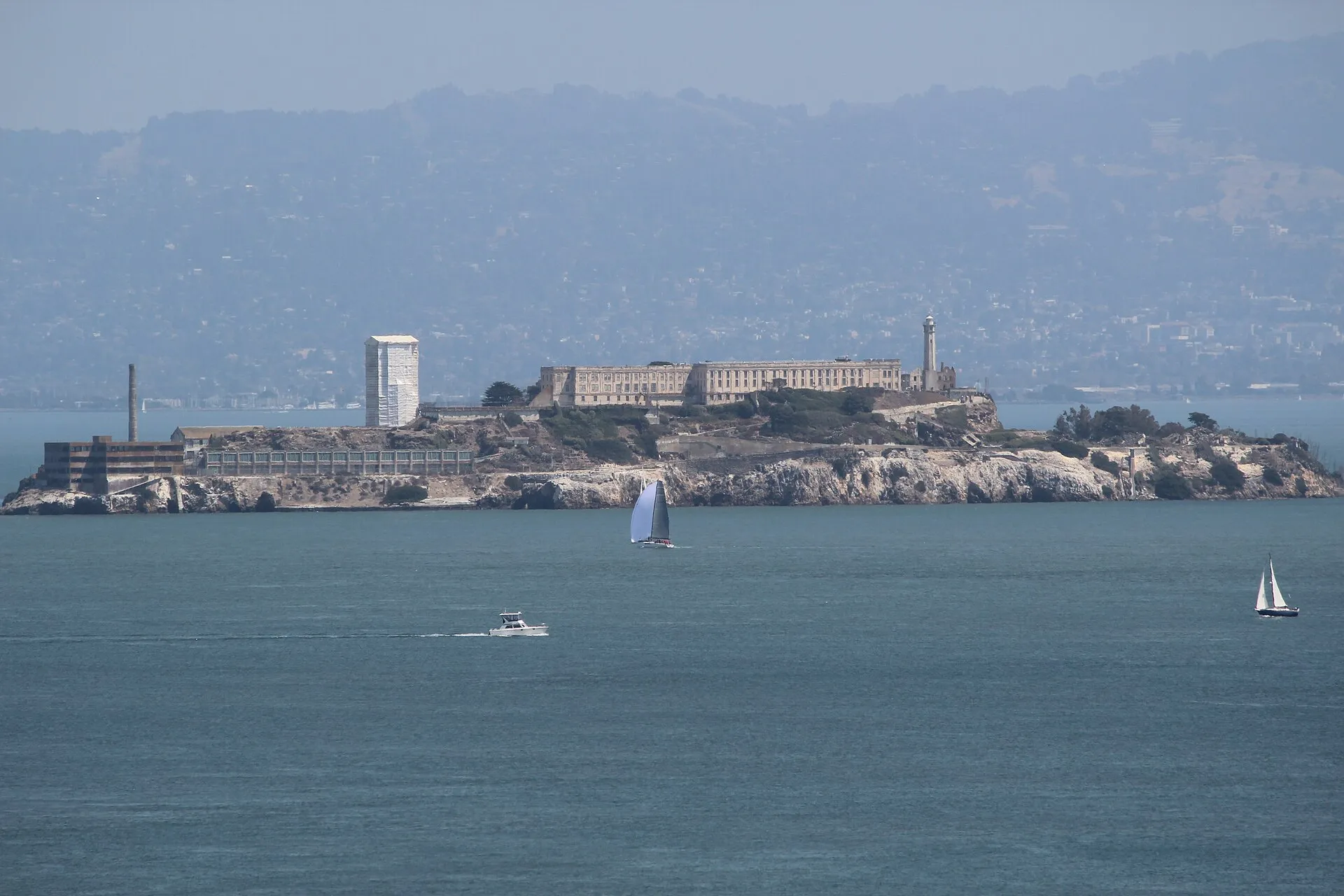
Historical Significance
Alcatraz Island, a federal penitentiary from 1934-1963, held America's most dangerous criminals including Al Capone, George "Machine Gun" Kelly, and Robert Stroud. Located 1.25 miles offshore in frigid San Francisco Bay waters, the prison claimed no successful escapes despite 36 attempts. Today, 1.7 million visitors annually tour the cell house, learning about infamous inmates, daily life, and the 1962 escape that inspired Clint Eastwood's "Escape from Alcatraz."
Architecture
Cell house audio tour: Included with admission, narrated by former inmates and guards -- one of the best self-guided audio experiences in any US national park. Escape exhibit: the 1962 Morris-Anglin breakout reconstructed with dummy heads and spoon-dug tunnel. Solitary confinement: D-Block cells where the worst offenders spent 23 hours per day in total darkness. Dining hall: Surprisingly good food (the prison's deliberate strategy to prevent riots). Al Capone's cell: B-Block cell 181 (marked on the tour route). Recreation yard: Views of San Francisco that tormented inmates. Model Industries Building: Separate building with exhibits on the 1969-1971 Native American occupation.
When to Visit
Ferry schedule: Multiple departures 9:00 AM - 6:30 PM (check season). Island visit time: 2.5-3 hours typical, last return ferry around 6:30 PM. Best time: First morning ferry (9:00 AM) for smallest crowds. Night tours: Thursday-Monday evenings (limited, book months ahead). Least crowded: Weekdays in winter (November-March)
Admission and Costs
Day tour (ferry + audio): $41 adults, $39 seniors, $25 children. Night tour: $50 adults, $48 seniors, $30 children. Behind the Scenes tour: $100+ (includes restricted areas). Guided specialty tours: $70-90 per person (expert narration beyond audio). Private group tours: $500-800 for up to 12 people
The Case for a Guide
Alcatraz hands every visitor an excellent audio tour, but a live guide provides the human context — the specific personalities, the unresolved mysteries, and the island's politically charged post-prison history — that transforms a cell block walk into something genuinely unsettling.
- The 1962 escape mystery: Frank Morris and the Anglin brothers disappeared on the night of June 11, 1962, and were never conclusively found; a guide walks through the physical evidence — the papier-mâché heads, the improvised raft — and explains why the FBI officially closed the case in 1979 while the U.S. Marshals Service kept it open until 2023.
- Al Capone's specific cell and gang dynamics: Capone's notoriety made him a target for other inmates; a guide locates his actual cell in B-Block, explains how his syphilis-related mental deterioration became evident during his incarceration, and describes the failed attempts to leverage his status into special privileges.
- Native American occupation 1969-1971: The 19-month occupation by the Indians of All Nations remains the longest Native American occupation of a federal facility in US history; a guide explains the specific demands made, the graffiti still visible on the water tower, and how the occupation directly influenced the Indian Self-Determination Act of 1975.
- Night tour audio differences: The evening program features different audio content emphasizing personal guard testimonies and sounds rather than historical facts — a guide who has done both can explain which experience suits different visitors and how the island atmosphere changes dramatically after dark.
- Lighthouse keeper family life: Before the prison, Alcatraz housed lighthouse keepers and their families; a guide explains what it was like to raise children on the island, how families accessed San Francisco, and why the isolation made the posting one of the most coveted in the lighthouse service despite its strangeness.
Tips for Visitors
Book early: Tickets sell out 2-8 weeks ahead depending on season. Dress warmly: The island is significantly colder and windier than the city. Wear layers: The cell house is cold, outdoor areas can be sunny. Comfortable shoes: Steep hills, uneven surfaces, lots of standing. No food service: Bring snacks and water, or eat before departure at Pier 33. Ferry departs on time: Arrive 30 minutes early for check-in and security. Photography allowed: All areas permit photos, bring a charged camera.
Frequently Asked Questions
What season is best for an Alcatraz Island visit?
September and October offer the clearest skies, calmest bay waters for the ferry crossing, and the island's wild gardens in late bloom. The coveted night tour, which adds eerie atmosphere to the cellhouse experience, books out months ahead regardless of season. Summer brings heavy fog that can obscure Golden Gate views from the island, and tickets sell out weeks in advance, so spring and fall visitors enjoy both better availability and more comfortable conditions on the exposed island grounds.
When can visitors tour Alcatraz Island?
Ferry schedule: Multiple departures 9:00 AM - 6:30 PM (check season). Island visit time: 2.5-3 hours typical, last return ferry around 6:30 PM. Best time: First morning ferry (9:00 AM) for smallest crowds.
How much is the entrance fee for Alcatraz Island?
Day tour (ferry + audio): $41 adults, $39 seniors, $25 children. Night tour: $50 adults, $48 seniors, $30 children. Behind the Scenes tour: $100+. Guided specialty tours: $70-90 per person.
What do guided tours of Alcatraz Island include?
Cell house audio tour: Included with admission, narrated by former inmates and guards. Escape exhibit: 1962 Morris-Anglin breakout with dummy heads, spoon digging. Solitary confinement: D-Block cells where worst offenders spent 23 hours/day.