
Spiritual Significance
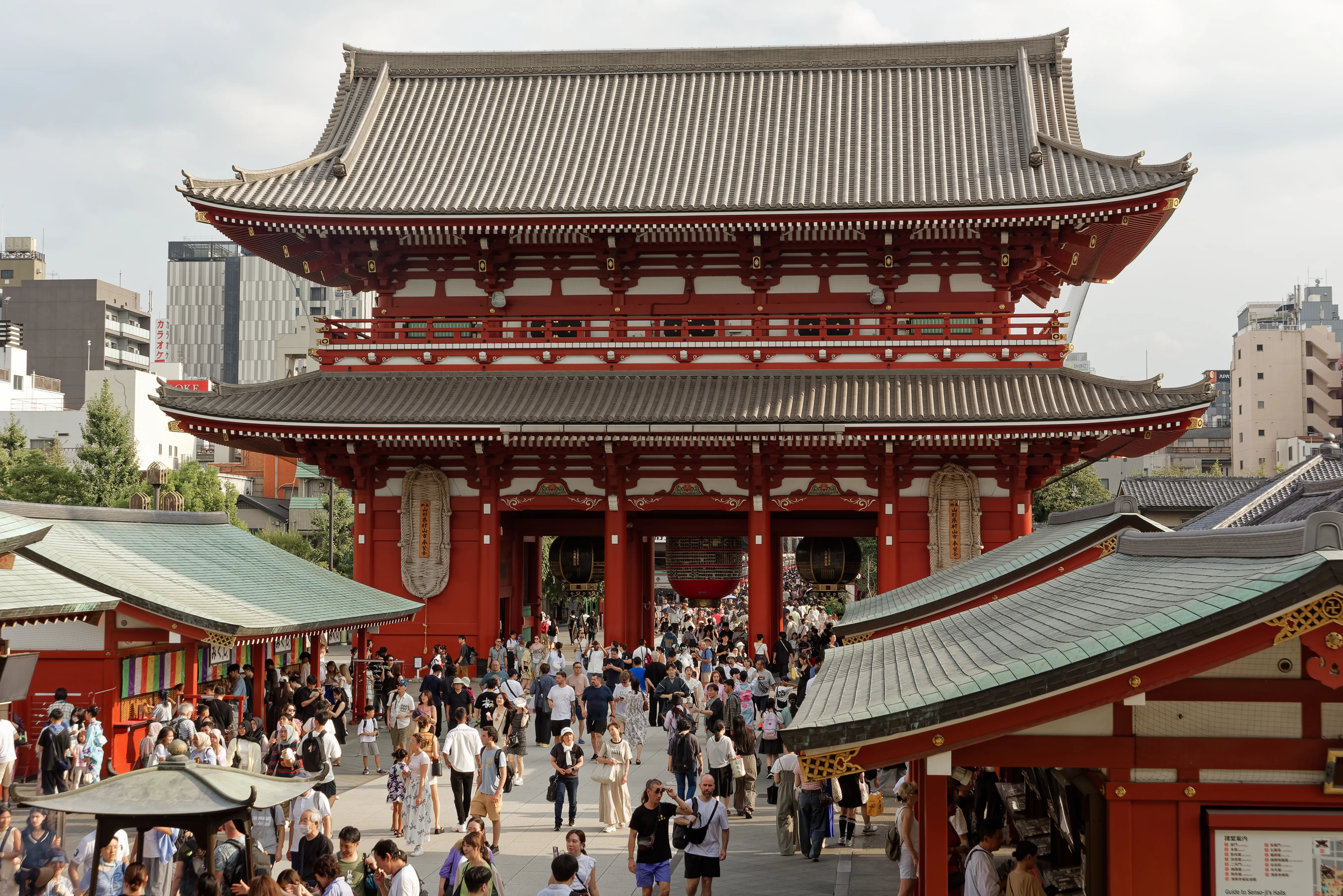
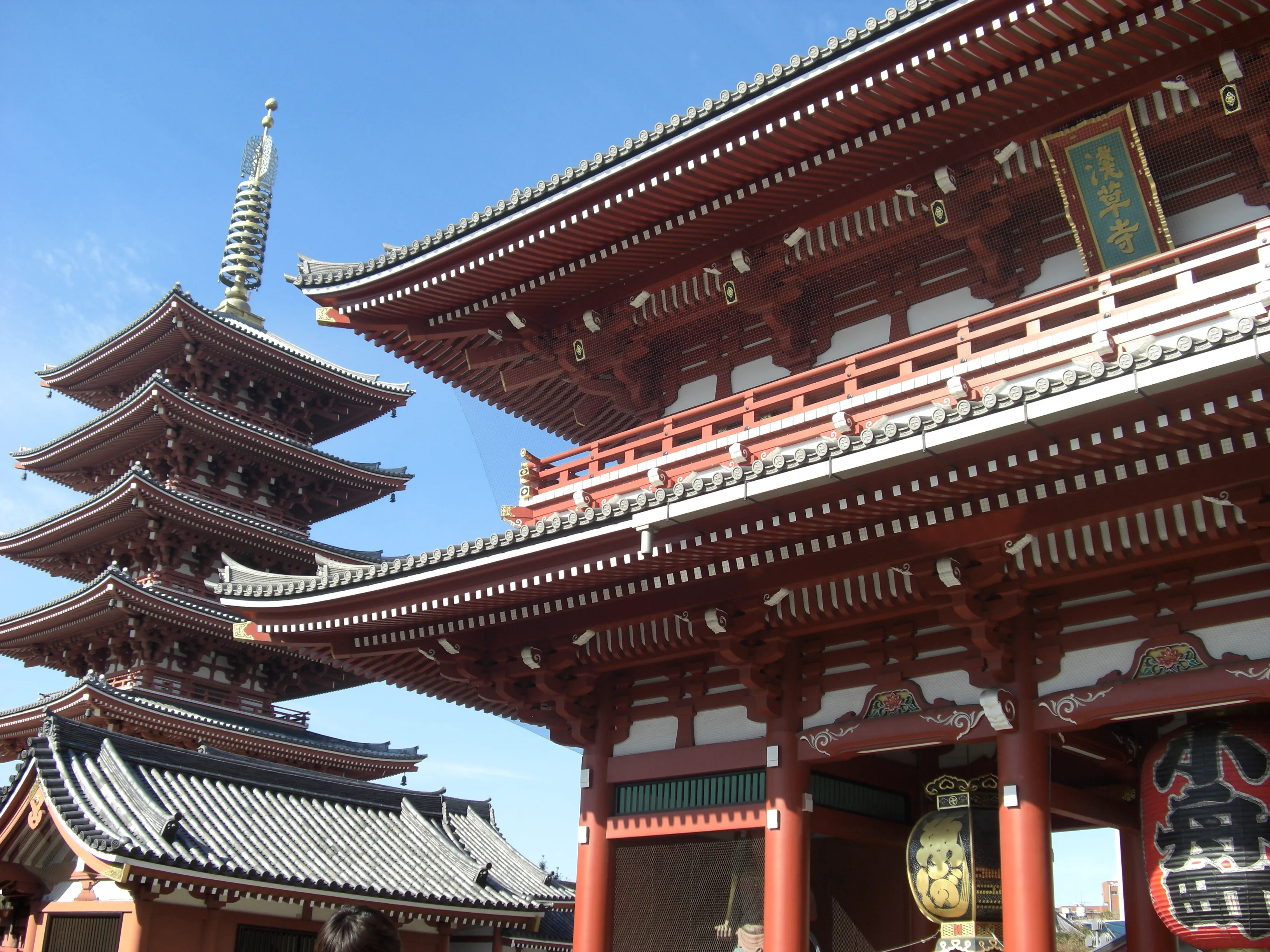
Senso-ji has served as a place of Buddhist worship and pilgrimage for nearly 1,400 years, making it one of the oldest continuously operating temples in Japan. The Kannon (Goddess of Mercy) statue enshrined in the main hall is considered a hibutsu — a hidden Buddha image never shown to the public. The omikuji fortune-drawing tradition here draws millions annually: visitors shake a numbered stick from a metal cylinder, then find their corresponding fortune paper. If the fortune is bad (kyo), tie it to the designated rack to leave the bad luck behind. The Five-Story Pagoda and Hozomon gate frame one of Tokyo's most recognizable Buddhist skylines, illuminated spectacularly at night.
Visitor Etiquette
At the incense cauldron before the main hall, wave the sacred smoke over yourself for purification — this is a communal Buddhist practice visitors are welcome to join. Remove hats before entering the main hall. Omikuji fortune papers cost ¥100 — if you draw a bad fortune, tie it to the metal rack rather than taking it with you. Photography is welcome in the grounds but prohibited inside the main prayer hall during services. The 250m Nakamise-dori shopping street is best enjoyed slowly — sample ningyo-yaki (molded cakes) and fresh senbei (rice crackers) from vendors who have operated here for generations.
Senso-ji Temple in Pictures
When to Visit
Temple grounds: Daily 6 AM - 5 PM. Main hall: Opens 6 AM (6:30 AM October-March). Best: Dawn (6-7 AM) for peaceful atmosphere before crowds. Avoid: Midday (11 AM - 2 PM) — extremely crowded.
Admission and Costs
Temple entry: Free. Omikuji fortune: ¥100. Incense offering: ¥100. Shopping on Nakamise: ¥500-2,000 for souvenirs.
The Case for a Guide
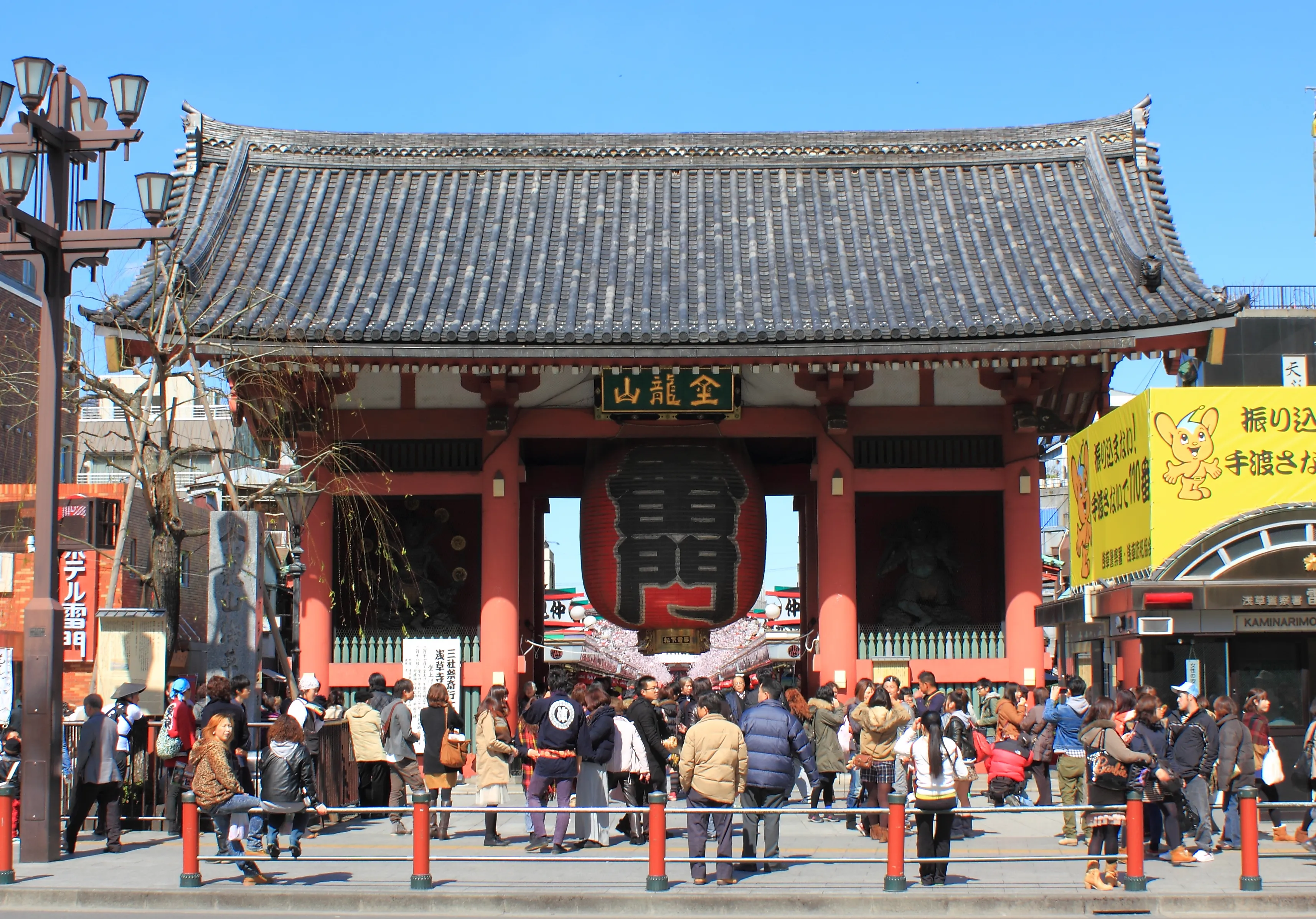
Senso-ji's famous lantern and Nakamise shopping street are impossible to miss — but the Buddhist ritual meaning behind the incense cauldron, the fortune-telling system, and the layers of wartime destruction and reconstruction are entirely invisible without a guide who understands them.
- Fortune-telling slip meanings: The omikuji slips are categorized into 17 levels of fortune from daikichi (great blessing) to kyo (curse) — guides explain each category, the proper ritual for tying bad fortunes to the designated rack, and why this specific system differs from omikuji at Shinto shrines.
- Proper prayer rituals: The two-bow, two-clap, one-bow sequence (nihai-nihakushu-ippai) used at Shinto shrines differs from the Buddhist palm-press used at Senso-ji — guides explain the distinction and why mixing them is a common tourist mistake.
- Hidden smaller shrines within the complex: The Asakusa Shrine (Shinto, built 1649) sitting immediately beside the Buddhist Senso-ji is one of Japan's most striking examples of shinbutsu-shūgō (the historical blending of Buddhism and Shintoism) — most tourists walk past it without noticing.
- Nakamise vendor history: The 90 stalls along Nakamise-dori trace back to the Edo period when merchants were permitted to set up shops cleaning and maintaining the temple grounds in exchange for commercial rights — guides explain how the current vendor families trace their stall licenses back centuries.
- Wartime destruction and reconstruction: The main hall and pagoda were firebombed in March 1945 and completely rebuilt in 1958 using reinforced concrete — guides explain what was deliberately preserved versus rebuilt, and how the reconstruction reflects postwar Japanese attitudes toward cultural heritage.
Tips for Visitors
Early morning magic: The temple at dawn is peaceful and photogenic. Cleansing ritual: Wash hands and rinse mouth at the temizuya before entering. Try traditional snacks: Ningyo-yaki cakes and senbei crackers on Nakamise-dori. Evening visit: The temple lights up beautifully after dark. Nearby: Walk to Tokyo Skytree (15 minutes) after visiting.
Frequently Asked Questions
What is the best season to visit Senso-ji Temple?
Spring (March through May) and autumn (October and November) are the prime months, with cherry blossoms framing the pagoda in April and fiery maple leaves in November creating iconic photo opportunities. Summer brings oppressive humidity and the rainy season in June, while winter is cool but far less crowded, making January and February appealing for visitors who prefer a quieter temple experience.
What are the opening hours and best visiting times at Senso-ji Temple?
Temple grounds: Daily 6 AM - 5 PM. Main hall: Opens 6 AM (6:30 AM October-March). Best: Dawn (6-7 AM) for peaceful atmosphere before crowds. Avoid: Midday (11 AM - 2 PM) - extremely crowded
How much does a visit to Senso-ji Temple cost?
Temple entry: Free. Omikuji fortune: ¥100. Incense offering: ¥100. Shopping on Nakamise: ¥500-2,000 for souvenirs
What should visitors know before visiting Senso-ji Temple?
Wash hands and rinse mouth at the temizuya before entering as part of the cleansing ritual. Try traditional snacks like Ningyo-yaki cakes and senbei crackers on Nakamise. The temple lights up beautifully after dark for an evening visit.