
Tips for Visitors
Summer evening tip: The outdoor beer garden fills up by 6 PM on weekends — arrive at 5 PM or reserve in advance. Best beer to try: Order Sapporo Classic (Sapporo Kurashiku) — it's only available in Hokkaido and noticeably richer than standard Sapporo. Museum + garden: Allow 45 minutes for the museum then move to the Beer Garden for dinner — the combined visit makes a satisfying 3-hour evening. Winter appeal: The covered Ketel Hall operates year-round; the combination of red brick, copper, and hot grilled lamb is especially cosy in February when the Snow Festival is running nearby. Getting there: Take the Toho Line subway to Higashi-Kuyakusho-mae station (5-minute walk).
Sapporo Beer Museum in Pictures
When to Visit
Museum: Open 11 AM – 6 PM daily (last entry 5:30 PM); free for self-guided tour, premium guided tasting course available with reservation. Beer Garden halls: Open for lunch and dinner daily, hours vary by hall and season. Summer outdoor garden: Approximately July–mid-September, 5 PM – 9 PM. Check seasonal hours on the official website as operating times vary significantly by season.
Admission and Costs
Museum self-guided entry: Free. Premium tasting course (3 beers): ¥600 (reservation recommended). Beer Garden jingisukan set: ¥2,600–3,200 per person including beer. Summer garden all-you-can-eat set: ¥3,800–4,500 per person.
The Case for a Guide
The museum's exhibits are comprehensive but the context connecting Hokkaido's Meiji-era development to the German brewing tradition is the story most visitors miss without guidance.
- German-Japanese brewing transfer: The story of Seibei Nakagawa's training in Munich and his deliberate return to cold, barley-rich Hokkaido is a microcosm of the Meiji period's deliberate importation of European expertise — a guide explains what it took to found Japan's first lager brewery in a country with no lager-brewing tradition
- Hokkaido Classic vs. standard Sapporo: The Sapporo Classic available only in Hokkaido is a significantly different product from the export Sapporo lager — a guide explains the difference and why the Classic recipe uses Hokkaido barley exclusively
- Industrial architecture: The 1890 brick building's construction techniques, the significance of the North Star symbol, and the way the factory district has been preserved as a heritage zone within a modern urban setting are layers a guide contextualises against Sapporo's wider development history
- Jingisukan culture: The grilled lamb tradition eaten at the Beer Garden has a specific Hokkaido history connected to sheep farming on the island's grasslands — a guide explains why this particular combination of Mongolian-style grilling and German lager became Sapporo's signature culinary experience
Frequently Asked Questions
What is the history of the Sapporo Beer Museum?
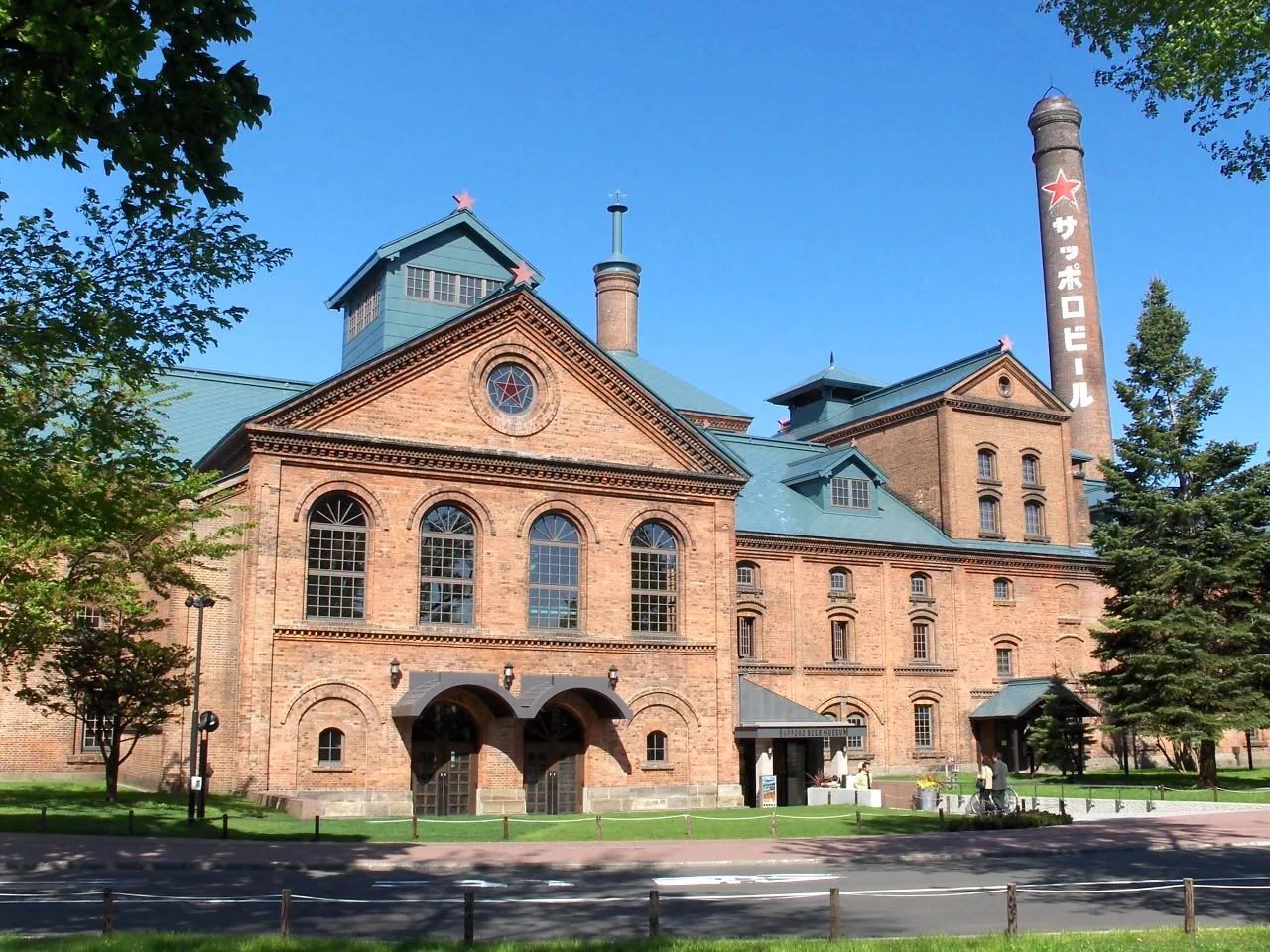
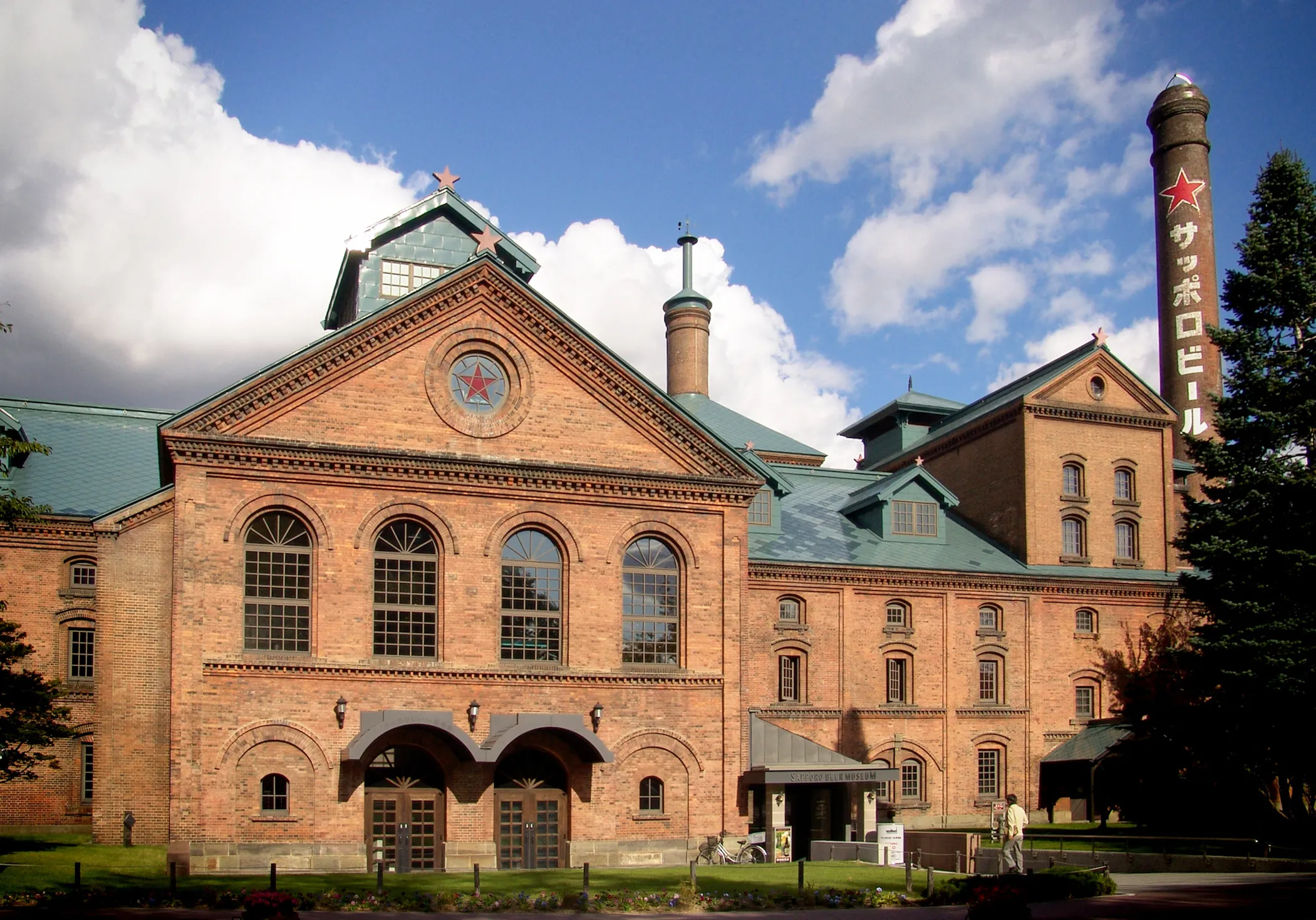
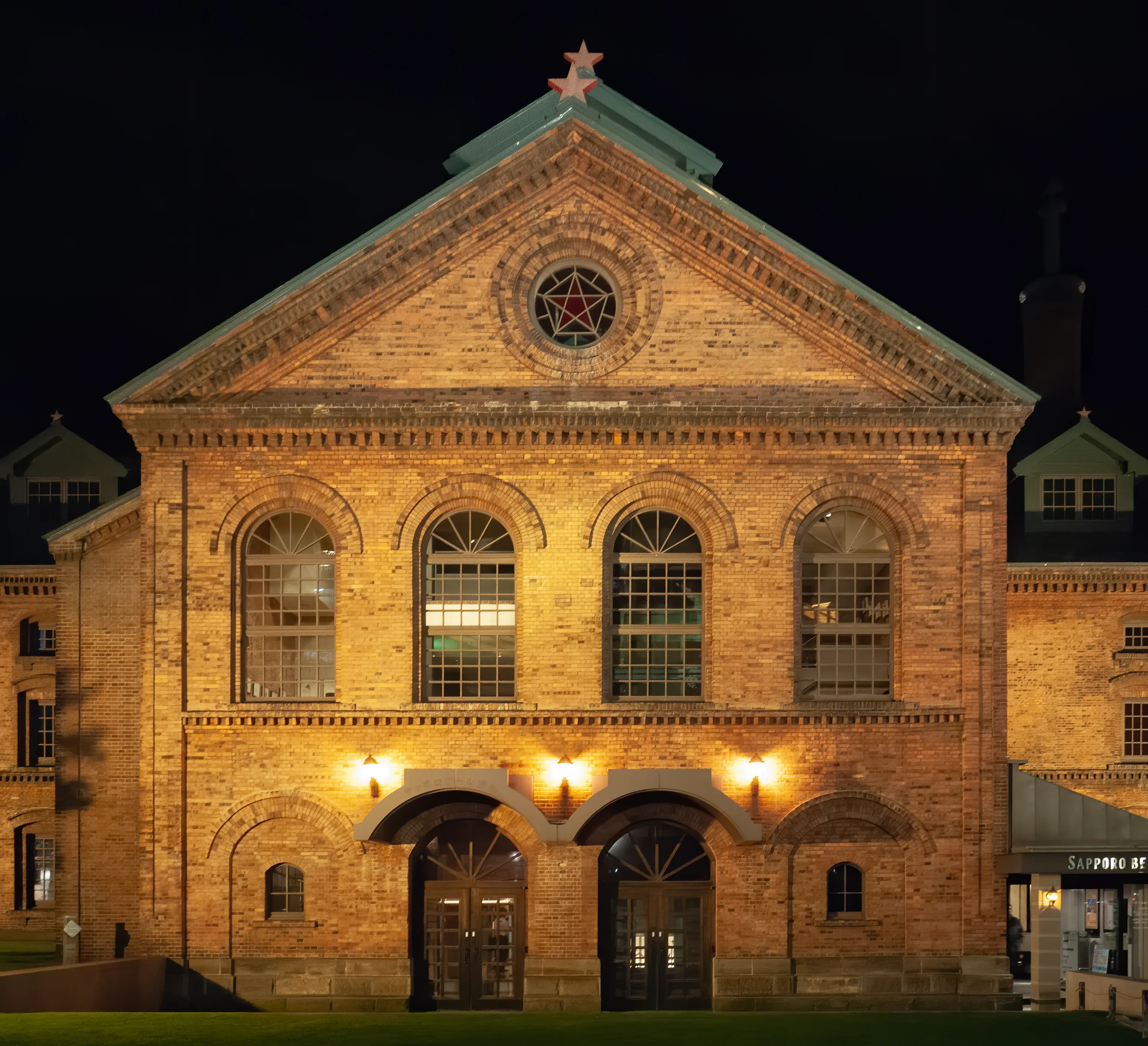
Sapporo Beer was established in 1876 by Seibei Nakagawa, a Japanese man who had studied brewing in Germany and brought lager brewing techniques back to Hokkaido — one of the first places in Japan with the cold climate and agricultural resources suited to German-style beer production. The museum occupies the original 1890 red-brick brewery building, now designated a National Registered Tangible Cultural Property. The star on the building's gable is Sapporo Beer's logo — derived from the North Star symbol used by Hokkaido's development commission.
What does the Sapporo Beer Museum tour include?
The museum traces the full history of Sapporo Beer from its 1876 founding through early Meiji-era brewing technology to the modern Sapporo brand. Exhibits include historic brewing equipment, advertising posters, original beer bottles and labels from across the decades, and displays on how Hokkaido's cold climate and barley fields made it ideal for lager brewing. A premium tasting course at the end includes three glasses of signature Sapporo beers including the flagship Sapporo Classic, available only in Hokkaido.
What is the Sapporo Beer Garden and how is it different from the museum?
The Sapporo Beer Garden is the outdoor and indoor beer-hall complex surrounding the museum, operated across several buildings including the historic Ketel Hall (a restored former brewing kettle building). The garden is famous for jingisukan — Mongolian-style grilled lamb cooked on dome-shaped iron grills — and Hokkaido king crab, corn, and cheese alongside Sapporo beers on tap. The summer outdoor garden operates from approximately July to mid-September.