
Overview
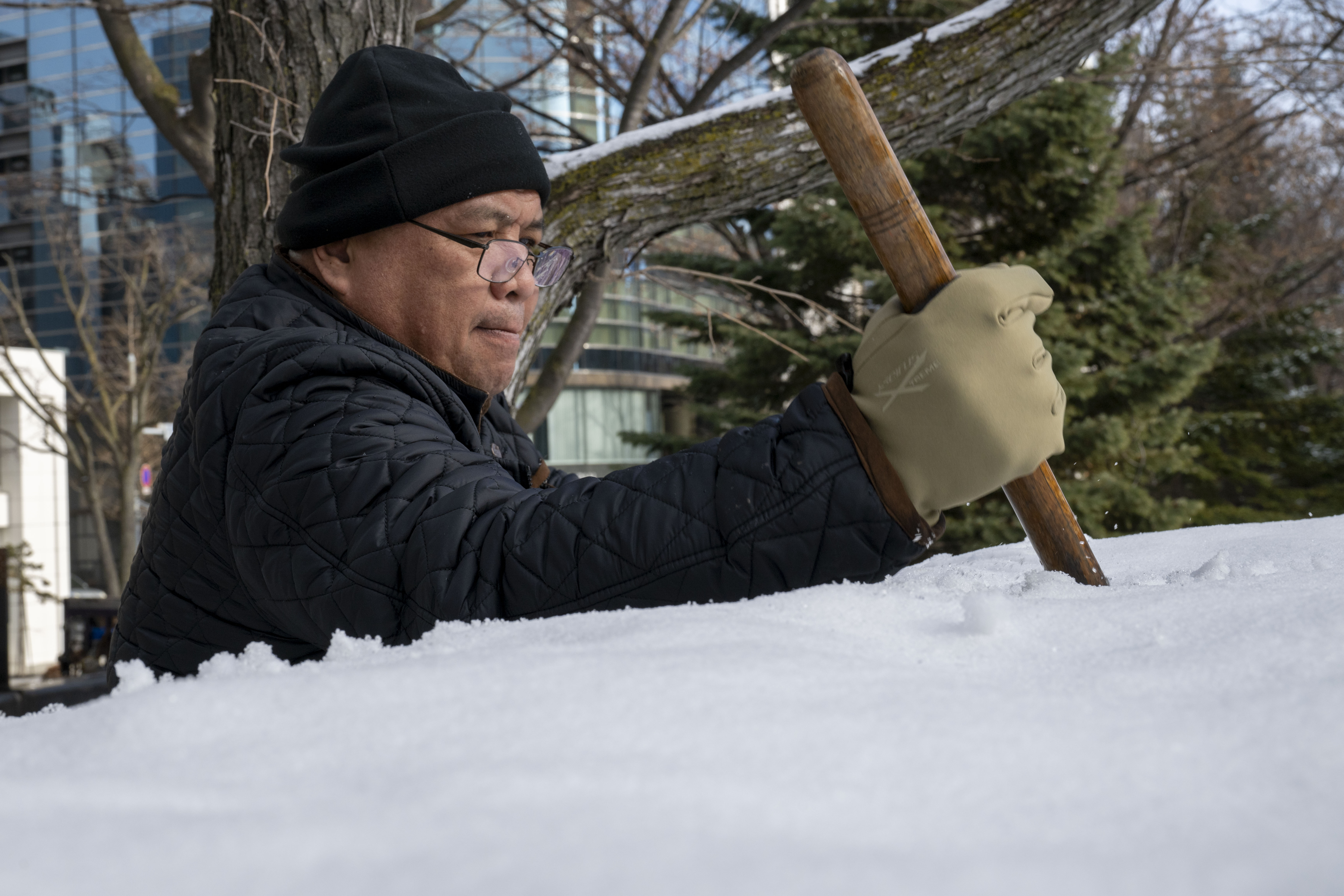
Odori Park stretches 1.5 km through the heart of Sapporo as a tree-lined boulevard dividing the city's north and south halves. Twelve city blocks wide and planted with over 90 lilac trees, elm groves, and seasonal flower beds, it serves as both civic gathering space and the annual stage for the Sapporo Snow Festival (Yuki Matsuri) — one of Japan's most celebrated winter events.
The festival began in 1950 when six local high school students built six small snow sculptures in the park. Today it fills all twelve park blocks with enormous sculptures — some exceeding 25 metres in height and 35 metres in width — crafted by teams including the Japanese Self-Defence Forces using specialized snow-packing equipment. The sculptures range from faithful reproductions of world heritage monuments (Notre-Dame, Angkor Wat, the Colosseum) to entirely original fantasy architecture. Evening illuminations from 5 PM transform the park into a luminous gallery that draws over 2 million visitors in a single week.
Beyond February, the park is equally compelling: the Sapporo TV Tower marks the east end with its observation deck, the famous beer gardens animate summer evenings, and the park's ginkgo trees turn brilliant gold in November alongside Hokkaido University's Ginkgo Avenue.
When to Visit
Snow Festival (February): Daily 9 AM – 10 PM; evening illuminations from 5 PM are most dramatic. Park year-round: Open 24 hours, accessible always. Beer Garden (July–August): Approximately 5 PM – 9:30 PM daily. TV Tower: 9 AM – 10 PM daily (seasonal variations).
Admission and Costs
Park entry: Free. Snow Festival sculptures: Free. TV Tower observation: ¥800. Beer Garden dinner: ¥3,000–5,000 per person. Tsudome Snow Festival activities: ¥500–1,000.
The Case for a Guide
The Snow Festival's twelve park blocks contain dozens of sculptures with different origins, techniques, and cultural references — a guide who has attended multiple festivals can explain the Self-Defence Forces' extraordinary packing techniques, point out which sculptures are exact architectural replicas vs. original designs, and steer you to the best evening photography positions before the crowds arrive.
- Best angles for photography: The sculptures are designed to be viewed from specific approaches — guides know the vantage points from pedestrian walkways and elevated positions that most tourists miss entirely
- Festival structure: The three festival sites (Odori, Susukino, Tsudome) serve very different audiences; a guide builds the right itinerary for your interests and manages transit between them efficiently
- Summer beer garden culture: Japan's outdoor beer garden tradition is deeply social; a guide deciphers the menu, helps order the Hokkaido specialities (lamb jingisukan, grilled corn), and explains the brand competition between the four major beer companies occupying adjacent garden zones
- Seasonal transitions: The park's transformation from winter sculpture gallery to spring lilac festival to summer beer garden to autumn foliage corridor is a story about Hokkaido seasons that a guide contextualises against the city's Meiji-era designed landscape
Tips for Visitors
Snow Festival timing: Arrive at illumination time (5 PM) for the most atmospheric photography, then explore by day for detail carving inspection. Layering is essential in February — temperatures of −5°C to −10°C plus wind chill require proper winter gear, not just a jacket. Beer garden summer tip: Tables fill by 6 PM on weekends; arrive at 5 PM or make reservations through major beer brands. TV Tower: The 90-metre deck is modest by Tokyo standards but offers the best view of the park's full length — go at dusk when the city illuminates. November foliage: The park's ginkgo trees turn gold simultaneously with Hokkaido University's famous ginkgo avenue — combine both in a single afternoon walk.