
Walking Route
Landmarks Along
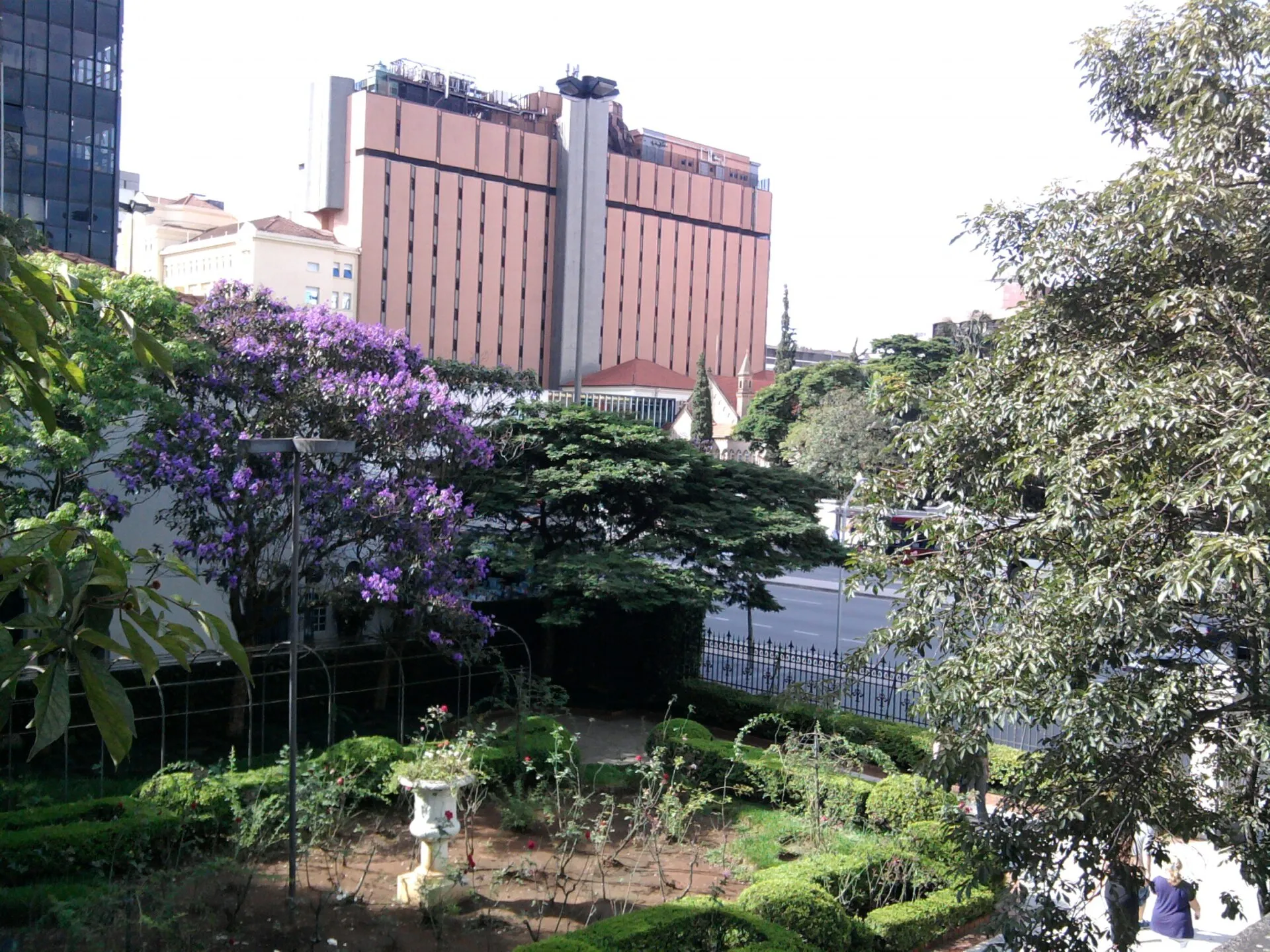
MASP: Lina Bo Bardi's iconic 1968 red Brutalist building suspended on concrete beams, housing Latin America's finest art collection — the defining landmark of the avenue. Japan House: a cultural center with a hinoki-lattice façade by architect Kengo Kuma, celebrating São Paulo's Japanese-Brazilian heritage through rotating exhibitions, culinary events, and design programming — free admission. Itau Cultural: one of Brazil's most important arts institutions, with free exhibitions spanning visual art, music, film, and digital culture. SESC Avenida Paulista: a cultural center whose rooftop terrace offers panoramic views over the Sao Paulo skyline — free access. Casa das Rosas: a rare surviving 1935 mansion in an eclectic French style, designed by the office of Ramos de Azevedo and now the Espaço Haroldo de Campos poetry and literature center. Conjunto Nacional: a landmark modernist complex designed by David Libeskind and completed in 1958, packed with shops, cafes, cinemas, and a rooftop. Instituto Moreira Salles: a photography-focused gallery that opened in 2017 in a striking contemporary tower. The avenue's architectural evolution — from coffee-baron eclecticism through mid-century modernism to contemporary glass towers — reads as a compressed history of Brazilian economic transformation.
Photo Spots
The MASP belvedere offers the most iconic Paulista Avenue photograph: the red concrete beams framing the avenue stretching into the distance, with the Sunday antiques fair spreading beneath the suspended building. For elevated perspectives, the SESC Avenida Paulista rooftop terrace (free access) provides panoramic views across the Sao Paulo skyline — best at sunset when the city's towers catch golden light. The Mirante 9 de Julho tunnel overlook, at the avenue's midpoint, frames a dramatic downward view through the tunnel entrance with the city spreading beyond. On Sundays, the car-free boulevard itself becomes photogenic: cyclists, performers, street art, and food vendors against a backdrop of modernist towers create lively street-photography opportunities. At night, the illuminated corporate towers and cultural-center facades turn the avenue into a corridor of light — shoot from the central median at Trianon-MASP metro station for symmetrical compositions down the boulevard. The green edge of Parque Trianon, opposite MASP, adds a rare frame of Atlantic Forest canopy against the glass.
Paulista Avenue timeline
-
Avenue inaugurated
Uruguayan engineer Joaquim Eugenio de Lima opened the tree-lined promenade on 8 December 1891 along the city's central ridge.
- 1900s
Coffee-baron mansions
Eclectic palaces built by the coffee aristocracy lined both sides, making Paulista the city's most fashionable address.
-
Casa das Rosas built
One of the last grand mansions, in an eclectic French style, rose just as speculative towers began replacing the old villas.
-
MASP opens on the avenue
Lina Bo Bardi's suspended red concrete museum gave Paulista its defining cultural landmark and a public belvedere below.
- 1980s
Democracy rallies
The avenue became Brazil's principal stage for the mass demonstrations that helped end two decades of military rule.
-
Paulista Aberta
The city began closing the full boulevard to cars every Sunday and public holiday, turning it into a permanent pedestrian space.
-
New cultural anchors
Japan House and the Instituto Moreira Salles opened within months of each other, extending the avenue's museum mile.
When to Visit
Open: 24/7 year-round. Best: Sunday 10 AM - 5 PM during Paulista Aberta, when the avenue closes to traffic (Sundays and public holidays) and transforms into a 2.8 km pedestrian boulevard with an antiques fair, street food, performers, and cyclists. Evening: Weekday lights and energy after 6 PM, when office workers flood the restaurants and bars. Avoid: Weekday rush hours (7-9 AM, 5-8 PM), when the sidewalks become uncomfortably crowded. Cultural centers along the avenue typically open Tuesday-Sunday 10 AM - 6 PM (some with extended Thursday hours), so a car-free Sunday pairs perfectly with a run of free galleries. The annual São Paulo Pride Parade (June) draws millions and closes the entire avenue for the day.
Admission and Costs
Walking the avenue: Free. MASP entry: R$30 (about $6; free on Tuesdays). Japan House: Free, with rotating exhibitions on Japanese and Japanese-Brazilian culture. Itau Cultural: Free exhibitions and performances. SESC Avenida Paulista: Free, including the rooftop terrace with its panoramic views. Casa das Rosas and the Instituto Moreira Salles galleries: Free or low-cost admission. Guided walking tour: R$120-200 (about $25-40) per person, covering architecture, history, and the cultural centers. A metro single fare is around R$5 (about $1), and the Trianon-MASP, Consolacao, and Brigadeiro stations all open directly onto the avenue. Sunday antiques fair beneath MASP: free to browse, purchases vary.
The Case for a Guide
A walking guide turns a straight 2.8 km of sidewalk into a legible timeline of Sao Paulo. Because the coffee-era mansions were almost entirely demolished, the avenue's history is easy to miss at street level; a guide points out the handful of survivors — Casa das Rosas among them — and reads the architectural strata, from 1900s eclecticism through mid-century modernism to the corporate glass raised from the 1980s onward. Guides also solve the avenue's biggest practical problem: choice. With free cultural centers, ticketed museums, and dozens of eateries competing for a half-day, a good guide builds an efficient route so you take in MASP, one or two free galleries, and a rooftop view without backtracking. Expect context on the political rallies the avenue has hosted, honest advice on where office workers actually eat lunch, and the etiquette of the Sunday Paulista Aberta crowds — including which stretches pickpockets favor when the boulevard is busiest.
Tips for Visitors
Sunday visits are essential: come for the car-free boulevard, the antiques fair under MASP, the street food, and the relaxed paulistano atmosphere. Metro access is easy — Trianon-MASP, Consolacao, and Brigadeiro stations sit on the avenue itself. Wear comfortable shoes: the 2.8 km length plus cultural-center visits means significant walking on hard pavement, and the ridge means gentle but constant slopes. Try pastel de feira (fried pastry) at the Sunday market — the cheese and palmito (heart of palm) fillings are classic — or duck into the Conjunto Nacional complex for cafes and bookshops when it rains. Safety: the main avenue is generally safe, but watch your belongings in dense crowds, especially during Sunday events and Pride. The few surviving coffee-baron mansions hidden between the glass towers are easy to walk past — guides point them out. Ibirapuera Park is reachable from the avenue's southern end by taxi or bus for a half-day pairing culture with green space.
Frequently Asked Questions
When is the best time to walk through Paulista Avenue?
Open: 24/7 year-round. Best: Sunday 10 AM - 5 PM (closed to traffic, transformed into pedestrian boulevard). Evening: Lights and energy after 6 PM on weekdays. Avoid: Rush hour (7-9 AM, 5-8 PM) weekdays if walking.
Is Paulista Avenue free to visit?
Walking the avenue: Free. MASP entry: R$30 / about $6 (free Tuesday). Japan House: Free cultural center. Guided walking tour: R$120-200 (about $25-40) per person.
What are the highlights along Paulista Avenue?
MASP (iconic Brutalist museum), Japan House (free cultural center), Itau Cultural (free exhibitions), SESC Avenida Paulista (rooftop views), and the Sunday antiques fair beneath MASP. Guides trace the avenue's evolution from coffee baron mansions to financial towers.
Where should I eat and shop along Paulista Avenue?
Food: office-worker lunch counters, per-kilo buffets, and bakeries fill the side streets off the avenue, while the Conjunto Nacional complex packs cafes, restaurants, and a cinema under one roof. On Sundays the Paulista Aberta fair sells pastel de feira, tapioca, and fresh coconut water from vendors along the median. Shopping: bookshops and design stores cluster inside Conjunto Nacional and Shopping Center 3, and the antiques and crafts stalls beneath MASP run every Sunday.