

Overview
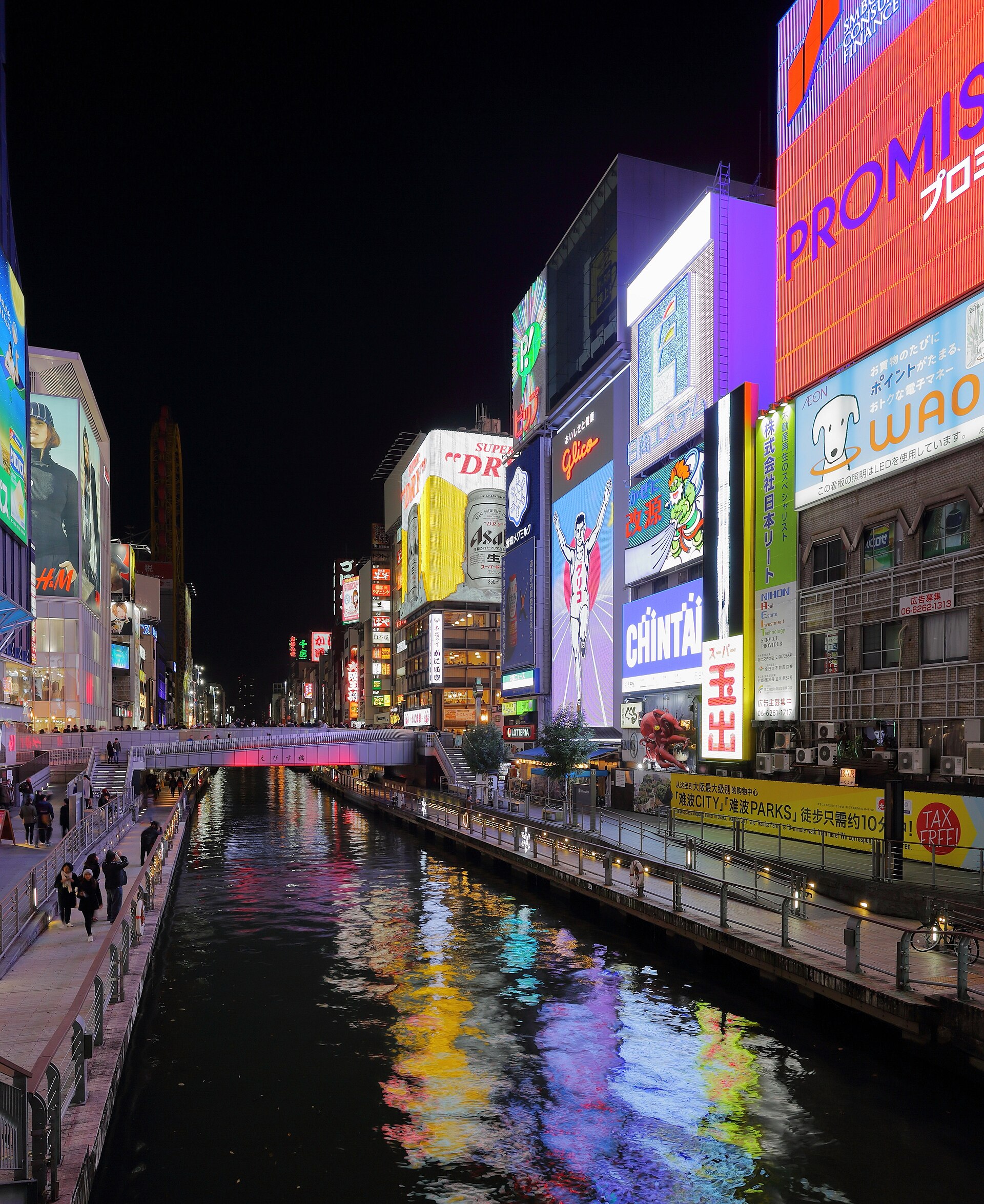
Dotonbori is Osaka's most famous street — a sensory overload of neon signs, giant mechanical crabs, and endless food stalls. This canal-side entertainment district embodies Osaka's kuidaore ("eat until you drop") philosophy. From takoyaki to okonomiyaki, kushikatsu to ramen, Dotonbori is Japan's ultimate street food paradise.
Walking Dotonbori with a knowledgeable guide transforms a chaotic food crawl into a deeper journey through Japan's culinary soul. A local expert can trace the district's origins back to 1612 when merchant Yasui Doton dug the canal that gave the street its name, and explain how the neighborhood evolved from a kabuki theater row into the neon-drenched food mecca it is today. Guides steer you past tourist-trap stalls toward family-run shops that have perfected their takoyaki batter over three generations, or lead you down unmarked alleyways to find standing-only bars where Osaka salarymen gather for after-work kushikatsu. They decode the unwritten rules of street dining, like why you should never walk while eating, and reveal that the famous Glico Running Man sign has been redesigned six times since 1935. Combine with Kuromon Ichiba Market and Osaka Castle for a complete Osaka experience.
Walking Routes
Start at Ebisu Bridge for the iconic Glico Running Man photo, then head west along the canal to explore the main 600m food strip. Detour one block north into Hozenji Yokocho, a narrow lantern-lit alley with a moss-covered Buddhist statue and intimate bars. Continue to the Kuromon Ichiba Market district for morning-fresh seafood. The side streets south of the canal hide some of Osaka's best kushikatsu joints with the strict "no double-dipping" sauce rule. End your walk at Shinsekai district for retro Osaka atmosphere and the city's best kushikatsu towers.
Local Life
Takoyaki: Octopus balls — Osaka's signature dish, crispy outside and molten inside. Okonomiyaki: Savory pancake with cabbage, meat, and seafood, griddled tableside. Kushikatsu: Deep-fried skewers in every variety imaginable — the golden rule is no double-dipping in the communal sauce. Ramen: Rich tonkotsu broth noodles from shops that have perfected their recipe over decades. Beyond the food, Dotonbori's canal-side culture reflects Osaka's identity as Japan's merchant city, where entertainment and commerce have been inseparable for 400 years. The district's neon-gai (neon street) culture is distinctly Osakan — louder, more colorful, and more irreverent than anything in Tokyo.
When to Visit
Evening: 6-10 PM when neon signs light up. Lunch: 12-2 PM for authentic local spots. Late night: After 10 PM for local izakaya culture.
Admission and Costs
Street food: ¥300-800 per item ($2-6). Restaurant meals: ¥1,500-3,000. Food tour: ¥10,000-15,000 with tastings. Private guide: ¥25,000-35,000.
Tips for Visitors
Visit at night when the neon signs are fully lit and the atmosphere reaches its peak. The famous Glico Running Man sign is best photographed from Ebisu Bridge, where you can frame it against the canal reflections. Side streets one block north of the main strip have better food at lower prices, frequented by locals rather than tourists. Peak crowds hit around 7-9 PM on weekends, so arrive earlier or later for a more comfortable experience. The canal walk along the waterfront is less crowded than the main Dotonbori-suji street and offers a different perspective on the neon spectacle. Guides navigate crowds and language barriers — many vendors speak limited English, and most street vendors accept cash only.