
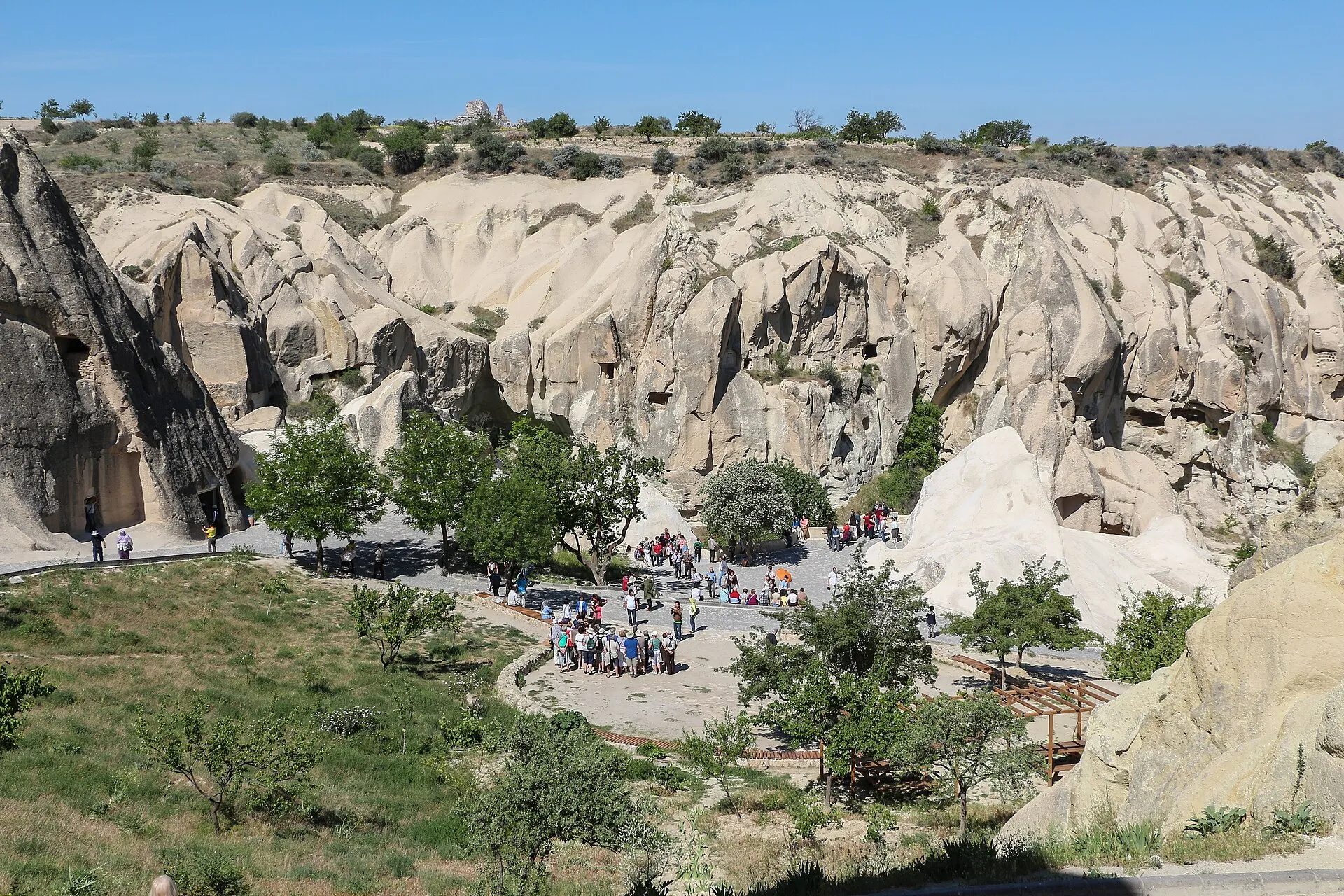
Guided Tours
Decode iconography: Understand biblical scenes, saint identifications, symbolic colors and gestures. Byzantine art history: Learn about iconoclasm period, fresco techniques, pigment sources. Monastery life context: How monks lived, worked, and worshipped in this rock complex. Preservation insights: Why Dark Church frescoes survived better (no light exposure for centuries). Prioritize churches: 10+ churches - guides focus on most significant ones. Answer "how did they?": Carving techniques, structural engineering, fresco painting methods
Collections Highlights
Dark Church worth it: Extra ₺150 (€5) absolutely justified - colors are breathtaking. Wear good shoes: Rocky paths, uneven surfaces, some climbing required. Photography rules: NO flash or tripods (damages frescoes), exterior photos OK. Low ceilings: Duck your head entering churches - carved for shorter medieval people. Allow 1.5-2 hours: To visit main churches without rushing, 2.5+ hours with guide. Bring water: Little shade, hot in summer, cafe on-site but overpriced. Modest dress helpful: Not strictly required but respectful (religious site). Museum pass value: If visiting 2+ paid sites in Cappadocia, pass saves money. Walking distance: 2km from Goreme town center (30-min walk or short taxi). Combine with valley hikes: Rose Valley and Red Valley trails nearby for afternoon
When to Visit
Hours: Daily 8 AM-7 PM (April-October) | 8 AM-5 PM (November-March). Closed: Open every day including holidays. Last entry: 45 minutes before closing. Best time: Opening at 8 AM (fewer crowds, cooler temperatures, better light). Least crowded: Winter weekdays, late afternoon. Avoid: 10 AM-2 PM in summer (peak tour bus arrivals, very hot). Photography light: Morning light best for outdoor shots, afternoon for some interiors
Admission and Costs
Museum admission: ₺450 (€14) per person. Dark Church (Karanlik Kilise): +₺150 (€5) separate ticket, best-preserved frescoes. Museum Pass Cappadocia: ₺950 (€29) covers 3 days, multiple sites including Goreme. Group tours: ₺600-1,000 (€18-30) per person including admission and guide (1.5 hours). Private guide: ₺3,500-6,000 (€100-180) up to 6 people (doesn't include admission). Art historian specialist: ₺5,000-8,000 (€150-250) Byzantine expert for deeper insights
The Case for a Guide
The Göreme frescoes span three distinct Byzantine periods each with different iconographic rules, theological preoccupations, and artistic techniques — without a guide who can read the visual language, the painted churches become indistinguishable from each other.
- Byzantine period dating: Frescoes from the pre-iconoclasm period (before 726 AD), the post-iconoclasm revival (after 843 AD), and the 10th-12th-century flowering look different in palette, figure style, and subject matter — a guide dates each church and explains what changed theologically between periods
- Dark Church fresco preservation: The Karanlik Kilise (Dark Church) has the most vibrant colors because its single small window let in almost no light for centuries — a guide explains how light destroys pigment, why the monks may not have realized they were accidentally conserving their artwork, and which pigments were most vulnerable
- Monastic community daily life: The refectory's rock-carved table where monks ate communal meals in silence, the storage rooms, sleeping cells, and wine-making chambers form a complete daily rhythm — a guide reconstructs the schedule and explains how the monks balanced prayer, physical labor, and artistic production
- Rose Valley vs. Monk Valley comparison: The two adjacent valleys have different densities of carved churches with different states of preservation — a guide explains which valley suits which interests and leads you to the specific cliff faces with the least-visited but most historically significant frescoes
- Pigment sourcing for 10th-century painters: The monks used iron oxides (red and yellow), lapis lazuli (blue), malachite (green), and vine black — all sourced from local geology and trade routes — a guide identifies which pigments in which churches came from which sources, making the paintings a record of medieval commerce as well as faith
Tips for Visitors
Dark Church (Karanlik Kilise): Best-preserved frescoes - vibrant blues, reds, golds (separate ticket required). Apple Church (Elmali Kilise): Four columns, nine domes, exceptional frescoes of Last Supper. Snake Church (Yilanli Kilise): St. George slaying dragon, Constantine and Helena with True Cross. Sandal Church (Carikli Kilise): Footprint beneath Jesus' Ascension fresco (church's namesake). Refectory (dining hall): Long rock-carved table where monks ate communal meals. Barbara Church: More primitive red ochre decorations, geometric patterns, symbolic creatures. Pantocrator dome paintings: Christ as ruler of universe, common Byzantine theme
Frequently Asked Questions
What are the opening hours for Goreme Open-Air Museum?
Hours: Daily 8 AM-7 PM (April-October) | 8 AM-5 PM (November-March). Closed: Open every day including holidays. Last entry: 45 minutes before closing. Best time: Opening at 8 AM (fewer crowds, cooler temperatures, better light).
Why is it worth hiring a guide for Goreme Open-Air Museum?
Decode iconography: Understand biblical scenes, saint identifications, symbolic colors and gestures. Byzantine art history: Learn about iconoclasm period, fresco techniques, pigment sources.
What can visitors see at Goreme Open-Air Museum with a guide?
Dark Church (Karanlik Kilise): Best-preserved frescoes - vibrant blues, reds, golds (separate ticket required). Apple Church (Elmali Kilise): Four columns, nine domes, exceptional frescoes of Last Supper. Snake Church (Yilanli Kilise): St.