
Excavation History
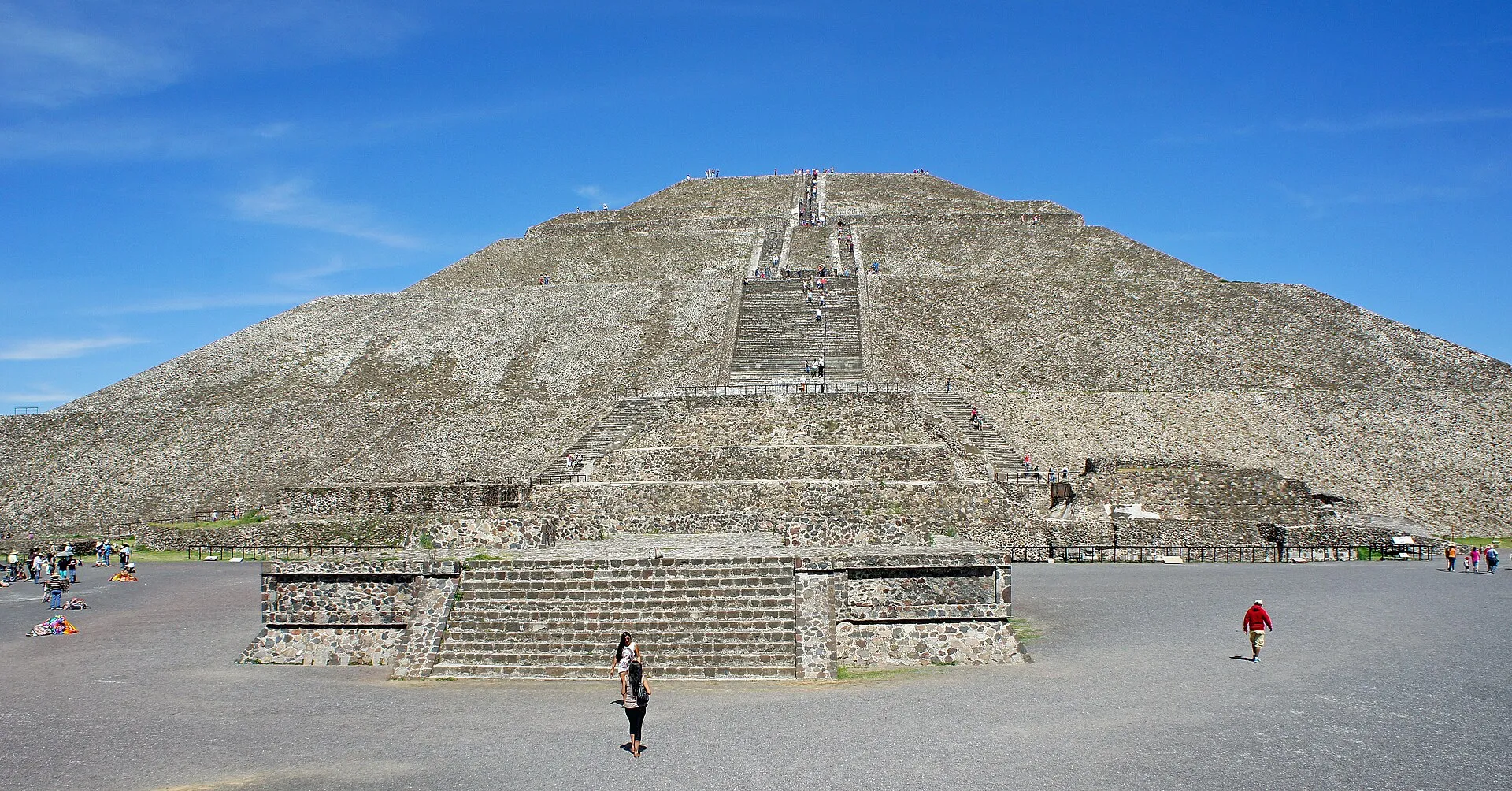
Teotihuacán's archaeological exploration began in earnest under Leopoldo Batres in 1905, who controversially added a fifth tier to the Pyramid of the Sun based on incomplete evidence — a modification that remains today. The Temple of the Feathered Serpent yielded one of the most dramatic discoveries in Mesoamerican archaeology: over 200 sacrificial burials arranged in precise patterns, with victims wearing necklaces of human jawbones and accompanied by obsidian blades and pyrite mirrors. In 2003, a rainstorm revealed a tunnel beneath the temple that had been sealed for nearly 1,800 years — archaeologists spent a decade excavating it and found offerings of jade, shell, rubber balls, and carved figures at its deepest point, directly beneath the pyramid's center. The Murals of Tepantitla, discovered in the 1940s, depict a paradise of flowers, butterflies, and flowing water — they are often missed by visitors rushing to the pyramids but represent some of the finest surviving pre-Columbian painting anywhere in the Americas.
Key Artifacts
The 248 steps to the summit of the Pyramid of the Sun reward climbers with 360-degree views of the valley, and the pyramid itself conceals a cave discovered in 1971 beneath its center — likely the original sacred site around which the entire city was planned. The Avenue of the Dead is not actually lined with tombs; the Aztecs mistakenly identified the platform structures flanking the 2.5-kilometer boulevard as burial mounds, but they were actually residential and administrative compounds for Teotihuacán's elite. The Temple of the Feathered Serpent's facade preserves dozens of carved serpent heads with original obsidian eyes still in place, alternating with goggle-eyed rain deity masks in a sculptural program that has no parallel at any other Mesoamerican site. Teotihuacán obsidian — the city controlled the richest obsidian deposits in central Mexico — has been found at sites throughout Mesoamerica, evidence of a trade network that reached from the Gulf Coast to Guatemala.
When to Visit
Daily: 9 AM - 5 PM (last entry 4 PM). Best: Arrive right at 9 AM opening to climb the pyramids before the heat and crowds build. Avoid: Weekends and Mexican holidays (especially spring equinox on March 21, when tens of thousands visit). Duration: Allow 3-5 hours; a guided tour typically runs 2.5-3 hours.
Admission and Costs
Site entry: MX$90 ($5) per person. INAH-certified guide at entrance: MX$800-1,200 ($45-65) for a group. Organized day trip from CDMX: MX$1,200-2,000 ($65-110) including transport. Private guide + transport: MX$2,500-4,000 ($140-220). Parking: MX$45 ($2.50) if driving.
The Case for a Guide
Teotihuacán's builders are unknown, their language unrecorded, their collapse unexplained — a certified INAH guide navigates this profound mystery while revealing the archaeological discoveries that make the site one of the most contested in Mesoamerican scholarship.
- Avenue of the Dead misnamed: The Aztecs called this boulevard Miccaotli, "Avenue of the Dead," believing the platform structures flanking it were burial mounds — they were wrong; guides explain what those compounds actually were (residential and administrative buildings for the city's elite), how the Aztec misidentification happened, and what the correct interpretation reveals about Teotihuacán's urban social organisation.
- Apartment compound social organisation: The city was not organised around palaces but around walled apartment compounds housing extended family groups of 60-100 people; guides explain the excavated compounds like Tetitla and Atetelco, describing the mural programmes that identified each group's identity and ritual affiliation within the city's social hierarchy.
- Mica chamber mystery four floors below the Pyramid of the Sun: A chamber lined with sheets of mica was discovered beneath the pyramid in 1906; mica was imported from Brazil, 3,000 kilometres away, and has no obvious functional purpose in this location; guides describe the chamber's exact location and the competing theories about its ritual or astronomical function, none of which has achieved scholarly consensus.
- Pre-Aztec civilisation mystery: No written language, no identified royal tombs, no surviving records — the people who built the largest city in the pre-Columbian Americas remain archaeologically anonymous; guides explain what DNA studies, isotope analysis of human remains, and mural iconography have revealed about their origins, and why the builders' identity remains the central puzzle of Mesoamerican archaeology.
- Tunnel beneath Temple of the Feathered Serpent: A 2003 rainstorm revealed a tunnel sealed for 1,800 years directly beneath the temple's centre; guides describe the decade-long excavation that found liquid mercury, jade figurines, obsidian blades, and pyrite mirrors — offerings arranged with extraordinary precision around the tunnel's terminal chamber directly below the pyramid's axis.
Tips for Visitors
Altitude plus sun is brutal: You are at 2,300 meters with no shade on the pyramids — bring a hat, sunscreen, sunglasses, and at least 2 liters of water per person. Wear proper shoes: The pyramid steps are steep, uneven, and can be slippery; sturdy footwear with grip is essential. Hire an INAH guide at the entrance: Official guides wear credentials and are far more informative than audio tours — negotiate the price before starting. Skip the souvenir gauntlet: Vendors along the Avenue of the Dead are persistent — a polite "no, gracias" and keep walking works best. Beat the buses: Large tour groups from Mexico City tend to arrive between 10:30 and 11:00 AM — if you are there at opening, you can have the Pyramid of the Sun nearly to yourself.
Frequently Asked Questions
What are the best months to explore Teotihuacán?
February through April and November are peak months, combining dry weather with comfortable temperatures for climbing the exposed pyramids at 2,300 meters altitude. The spring equinox around March 21 draws tens of thousands of visitors, so plan accordingly if you want to avoid or witness that spectacle. The rainy season from July through September brings afternoon storms that can strand visitors on the Avenue of the Dead, and the intense sun at altitude makes summer visits particularly demanding.
What time of day is best for touring Teotihuacán?
Daily: 9 AM - 5 PM (last entry 4 PM). Best: Arrive right at 9 AM opening to climb the pyramids before the heat and crowds build. Avoid: Weekends and Mexican holidays (especially spring equinox on March 21, when tens of thousands visit).
What is the entrance fee for Teotihuacán?
Site entry: MX$90 ($5) per person. INAH-certified guide at entrance: MX$800-1,200 ($45-65) for a group. Organized day trip from CDMX: MX$1,200-2,000 ($65-110) including transport. Private guide + transport: MX$2,500-4,000 ($140-220).
Is a guide recommended for visiting Teotihuacán?
An INAH-certified guide reveals connections invisible to the untrained eye, including astronomical alignments, obsidian trade networks, and murals that survived 1,500 years underground. Hire an official guide at the entrance for the best experience.