
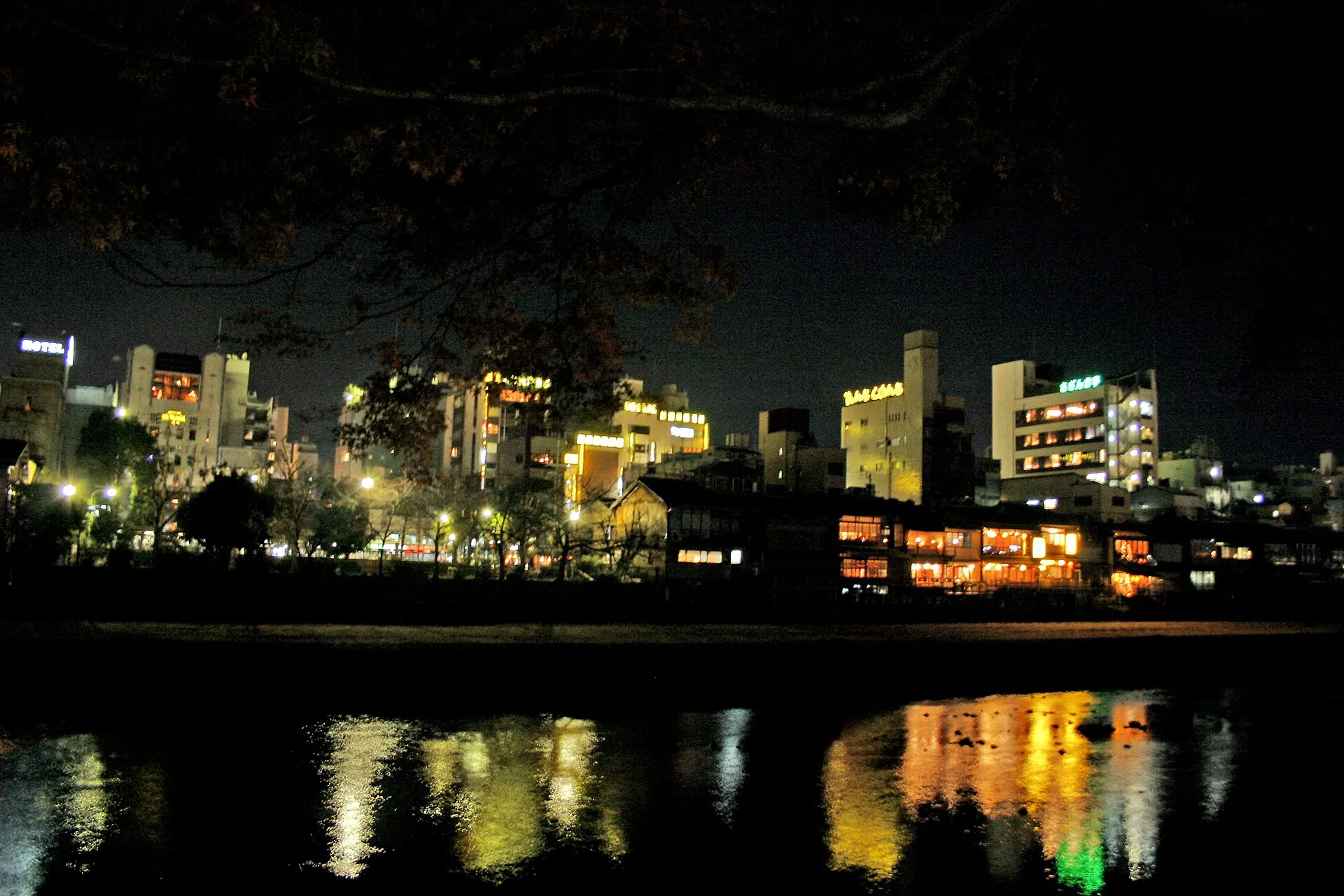
Kyoto timeline
-
Heian-kyo founded
Kyoto became the imperial capital and set the grid behind many temple routes.
-
Muromachi power settles
Ashikaga rule brought court culture and shogunal patronage into the temple districts.
-
Onin War begins
The conflict devastated much of the city and shaped later rebuilding.
-
Imperial capital moves
The court's move to Tokyo turned Kyoto from political capital into guardian of older traditions.
-
Historic monuments listed
UNESCO recognition linked Kyoto's temples, shrines, and gardens as a single heritage landscape.
Cited city facts
Key facts for visiting Kyoto
17 UNESCO World Heritage Sites
Kyoto holds more UNESCO-listed cultural properties than any other Japanese city, including Kinkaku-ji, Kiyomizu-dera, and the 17 Historic Monuments of Ancient Kyoto designated in 1994
1,600+ Buddhist temples and 400+ Shinto shrines
Kyoto served as Japan's imperial capital from 794 to 1868 CE, accumulating over a millennium of religious architecture across its mountain-ringed basin
50 million annual visitors
Kyoto ranks as Japan's most popular tourist destination by overnight stays, with the spring cherry blossom and autumn foliage seasons each drawing peak crowds of over 8 million visitors per month
26 geiko and 75 maiko active in 2024
Kyoto's five geisha districts (hanamachi) maintain the living tradition of geiko and maiko performing arts, with Gion Kobu being the most prestigious and oldest district, operating since the 1600s
Source: tour-guide.com — Free to cite with attribution
Things to see
What are the top attractions in Kyoto?
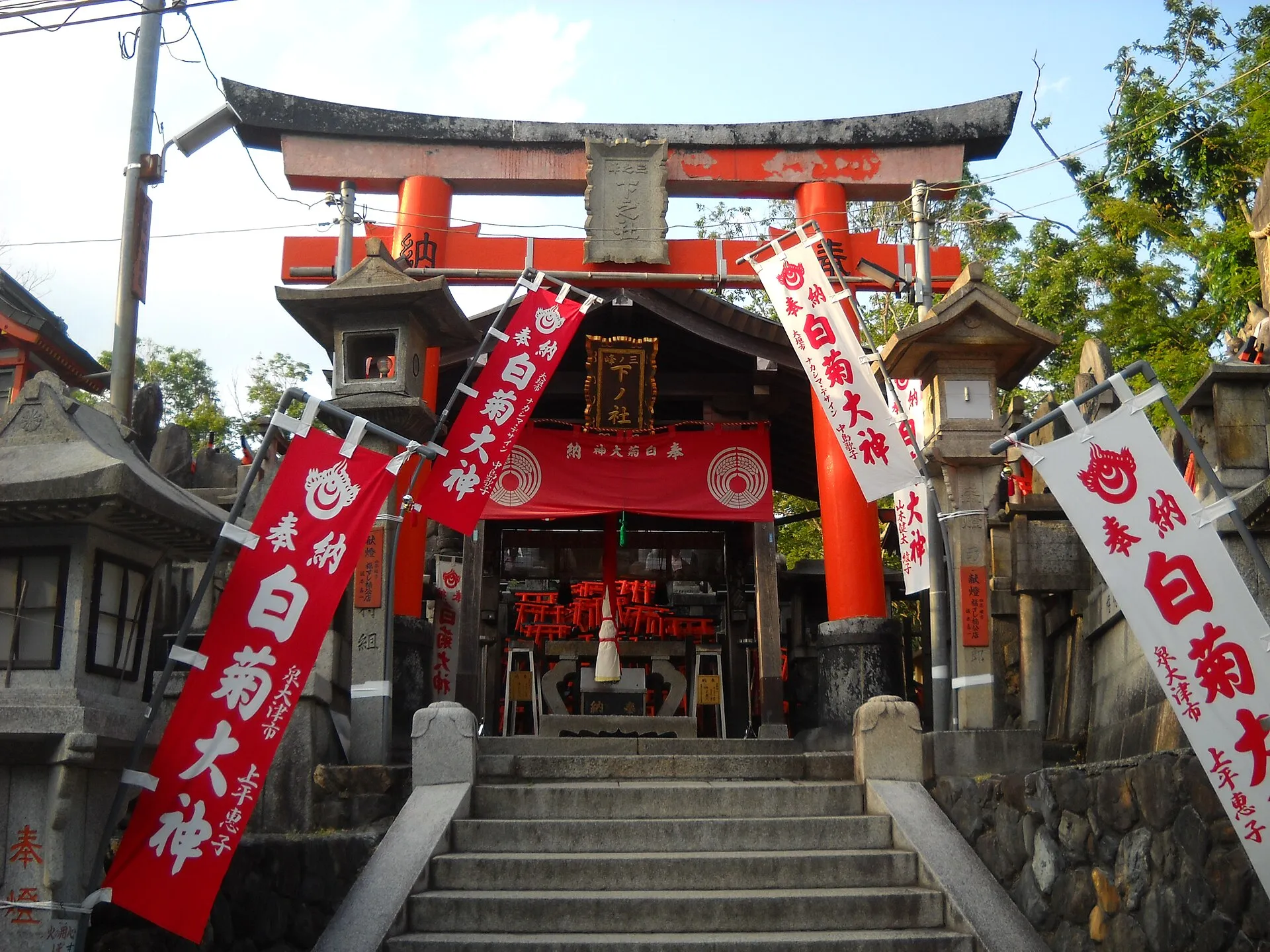
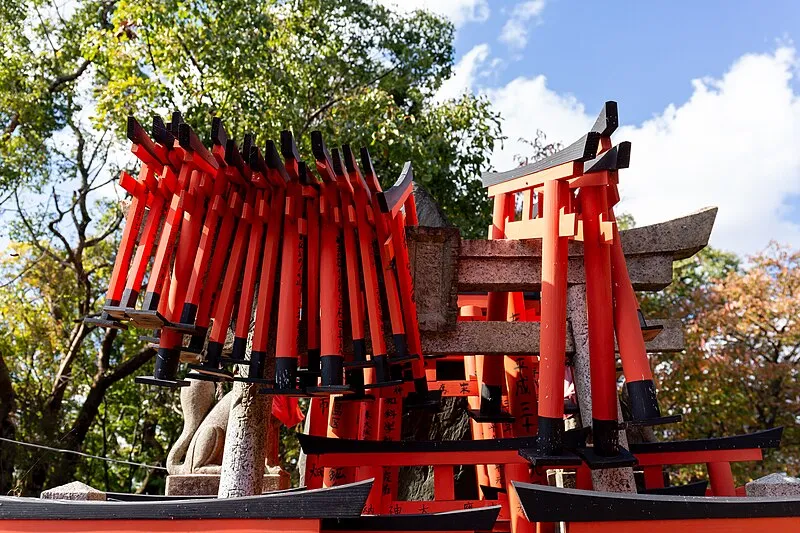
- Fushimi Inari hike — Early morning walk through thousands of torii gates
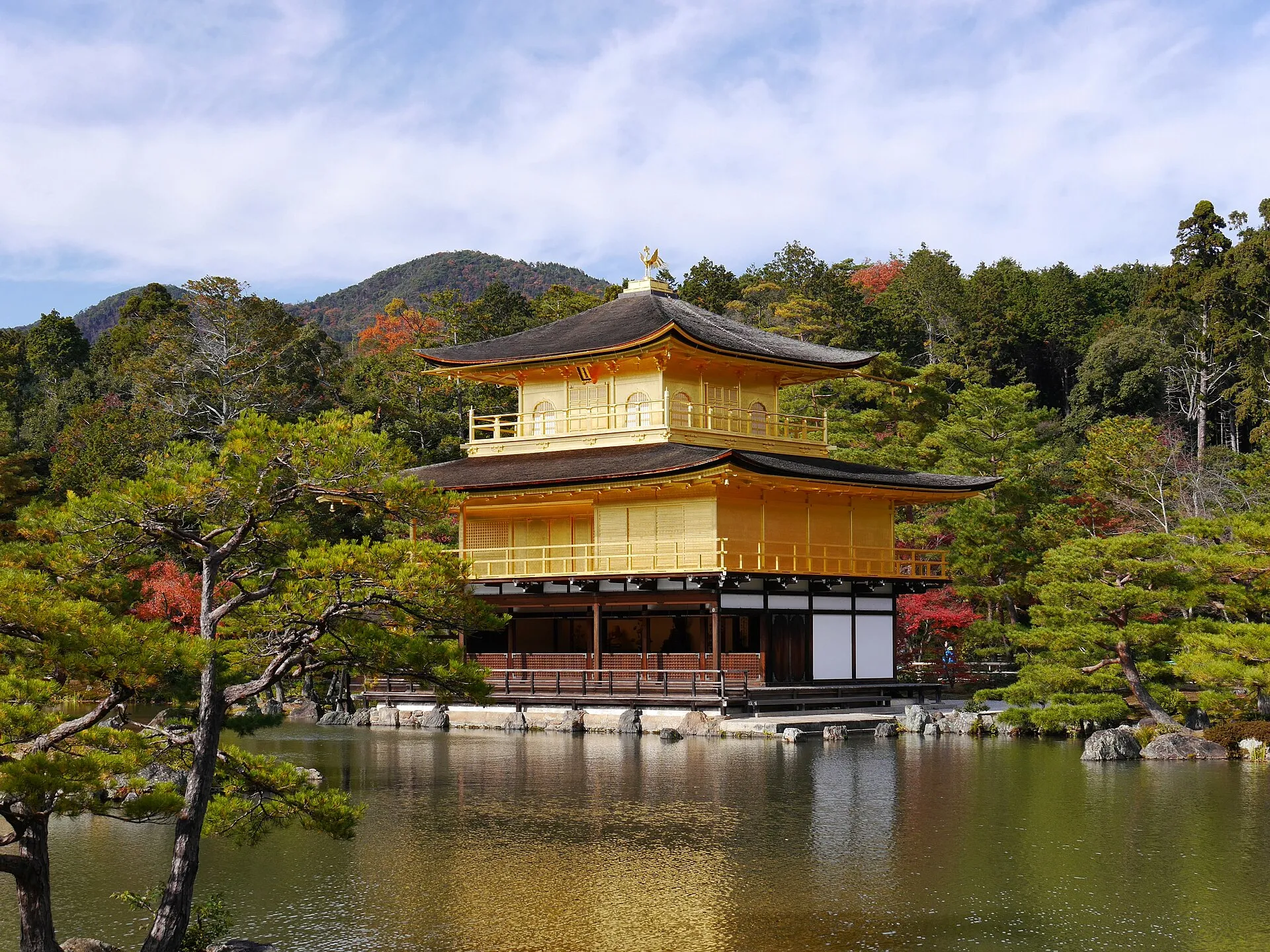
- Kinkaku-ji — Golden Pavilion reflecting in the pond
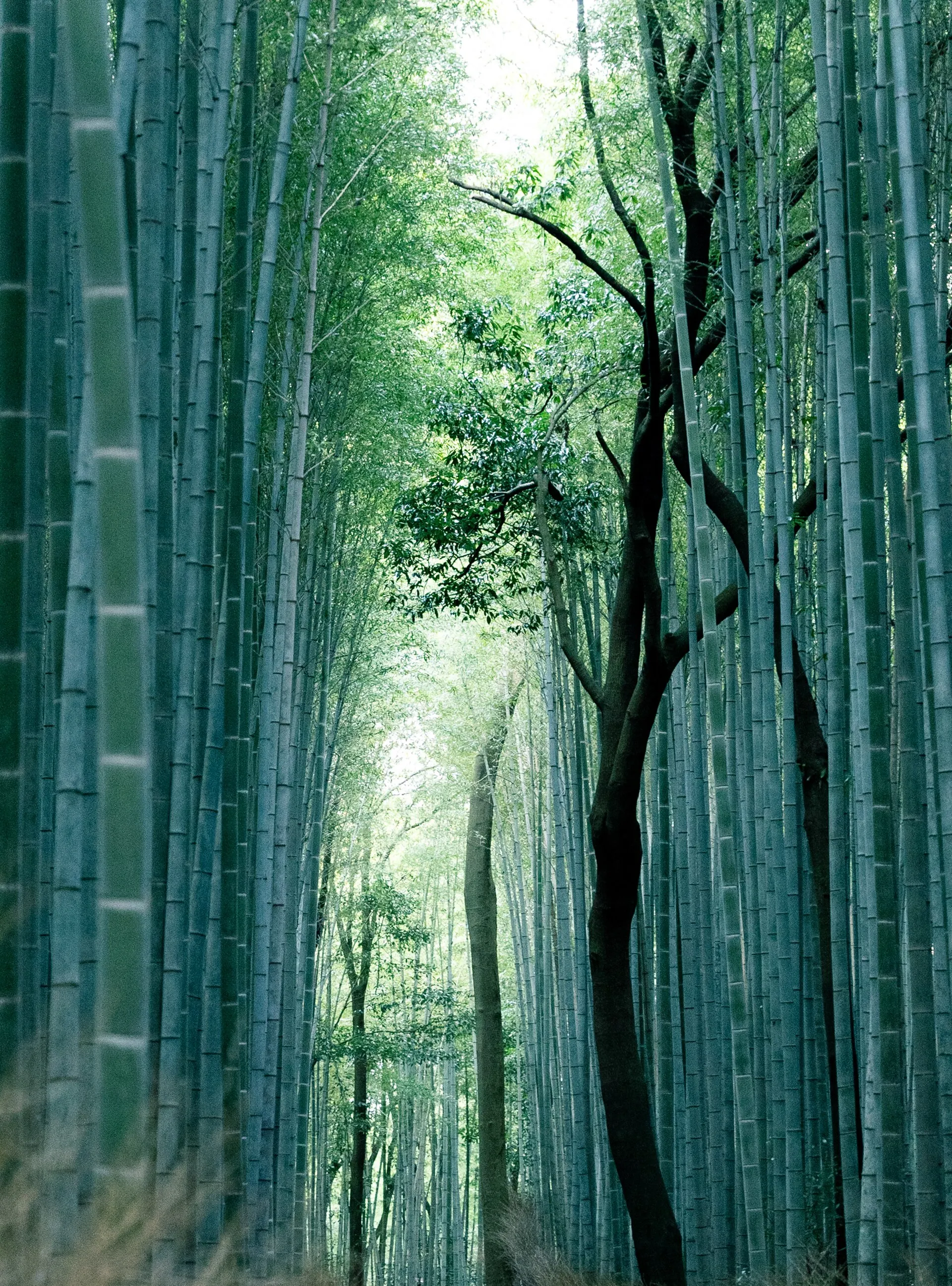
- Arashiyama morning — Bamboo grove before tour groups arrive
- Tea ceremony — Traditional matcha in authentic tea house
- Philosopher's Path — Canal walk lined with cherry trees
- Gion district — Evening stroll hoping to spot geisha
Arashiyama Bamboo Grove
Ethereal towering bamboo forest
Fushimi Inari Shrine
Ten thousand vermillion gates
Kinkaku-ji Golden Pavilion
Kyoto's shimmering gold temple
Guide planning
How much does a tour guide cost in Kyoto?
| Tour Type | Price | Details |
|---|---|---|
| Group Temple Tours | ¥4,000-6,000 | $30-45 per person |
| Tea Ceremony | ¥3,000-8,000 | $22-60 with guide |
| Half-Day Private | ¥25,000-40,000 | $185-295 |
| Full-Day Private | ¥50,000-75,000 | $370-555 |
Book a Local Guide
The guides below are independent local businesses we recommend purely on editorial merit. We don't sell placement and we earn no commission when you book with them — see our booking and affiliate disclosure.
The Backstreet Guides — Kyoto
Owen and Rie's small team of licensed guides have been leading private tours of Kyoto and Tokyo since 2011, always favouring the hidden over the headline. In Kyoto that means predawn visits to Fushimi Inari before the crowds, artisan workshop visits in Nishiki Market, and evening walks through the Gion lamp-lit lanes watching for apprentice geisha. Over 400 five-star reviews speak to an experience that feels more like exploring with knowledgeable friends than following a tour group.
Inside Kyoto Tours
Inside Kyoto Tours offers highly personalised private and small-group walks led by long-term foreign residents with deep roots in the city. Their half-day geisha district walk and bamboo grove tour at Arashiyama are consistently praised for their cultural depth, while the seasonal highlights tour — cherry blossoms in spring, illuminated maples in autumn — adapts the itinerary around what the city is actually doing right now.
Season planner
When is the best time to visit Kyoto?
Kyoto's four sharply defined seasons are central to the Japanese aesthetic — and to your temple-visiting strategy. Peak seasons bring both extraordinary beauty and crushing crowds, so timing and an early start are everything.
- Late March–mid April (cherry blossoms) — Sakura season transforms the city. The Philosopher's Path becomes a pink-white tunnel, and the grounds of Daigo-ji and Maruyama Park fill with hanami picnickers. Bloom timing shifts by a week or two each year; guides track forecasts to hit the right temples at the right moment. Expect heavy crowds and premium hotel prices
- May (late spring) — Blossoms have faded but the fresh green of shin-ryoku (new leaves) is stunning against grey temple wood. Crowds ease, and the weather is warm and clear (18–25°C). The Aoi Matsuri parade in mid-May is one of Kyoto's three great festivals
- June (rainy season) — Humid and wet, but the rain brings out the deep greens of moss gardens at Saiho-ji and Gio-ji in ways that sunshine never can. Hydrangeas bloom everywhere. Fewer tourists means you can photograph temples without other visitors in the frame
- October–November (autumn foliage) — Red and gold maples blaze across temple gardens. Tofuku-ji and Eikando are especially famous for koyo (autumn colours). Peak foliage typically arrives in mid-to-late November. As with cherry season, expect crowds and elevated prices
- December–February (winter) — Cold (2–8°C) with occasional dustings of snow that turn Kinkaku-ji into a postcard. Tourist numbers drop sharply. Winter illumination events at Arashiyama bamboo grove and Kiyomizu-dera are magical. Guides can arrange private tea ceremonies in near-empty tea houses
- Early mornings — Regardless of season, arrive at major temples by 8 AM (or earlier for Fushimi Inari, which opens 24 hours). By 10 AM, tour buses have arrived and queues form at popular gates
Spring
Mar-May
Summer
Jun-Aug
Autumn
Sep-Nov
Winter
Dec-Feb
Each score averages that season’s monthly ratings out of 5. The top-rated window is usually the peak season too, so read the guidance above for its trade-offs before you book.
On the ground
How do you get around Kyoto?
Kyoto's temples and shrines are scattered across a wide basin ringed by forested mountains, so no single transport mode covers everything. A combination of bus, subway, bicycle, and walking is the most efficient approach.
- City bus network — The backbone of Kyoto transport. Over 80 routes connect Kyoto Station to temples across the city. Single rides cost ¥270; for a full day of temple-hopping, the combined bus + subway 1-day pass (¥1,100) pays for itself after four rides and covers virtually all major sights. Note: the old ¥700 bus-only day pass was discontinued in March 2024. Routes 100 and 101 are designed specifically for tourists
- Subway — Two lines (Karasuma north-south, Tozai east-west) intersect at Karasuma Oike station. Fast and uncrowded, but the network is limited — it won't get you to Arashiyama, Fushimi Inari, or most hillside temples
- Cycling — Kyoto's flat central grid is ideal for bicycles, and many guides offer cycling tours. Rental shops around Kyoto Station and the Kamo River area charge ¥1,000–1,500 per day. Avoid cycling in the Higashiyama district, where narrow streets and pedestrian traffic make it impractical
- Taxis — Metered, clean, and with automatic doors (don't try to open or close them yourself). Essential for reaching temples early in the morning before bus services ramp up. A ride from Kyoto Station to Arashiyama costs roughly ¥2,500
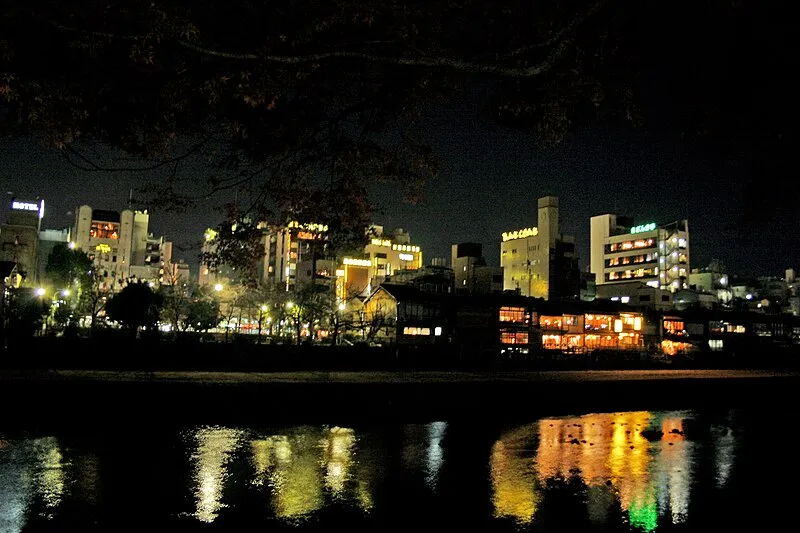
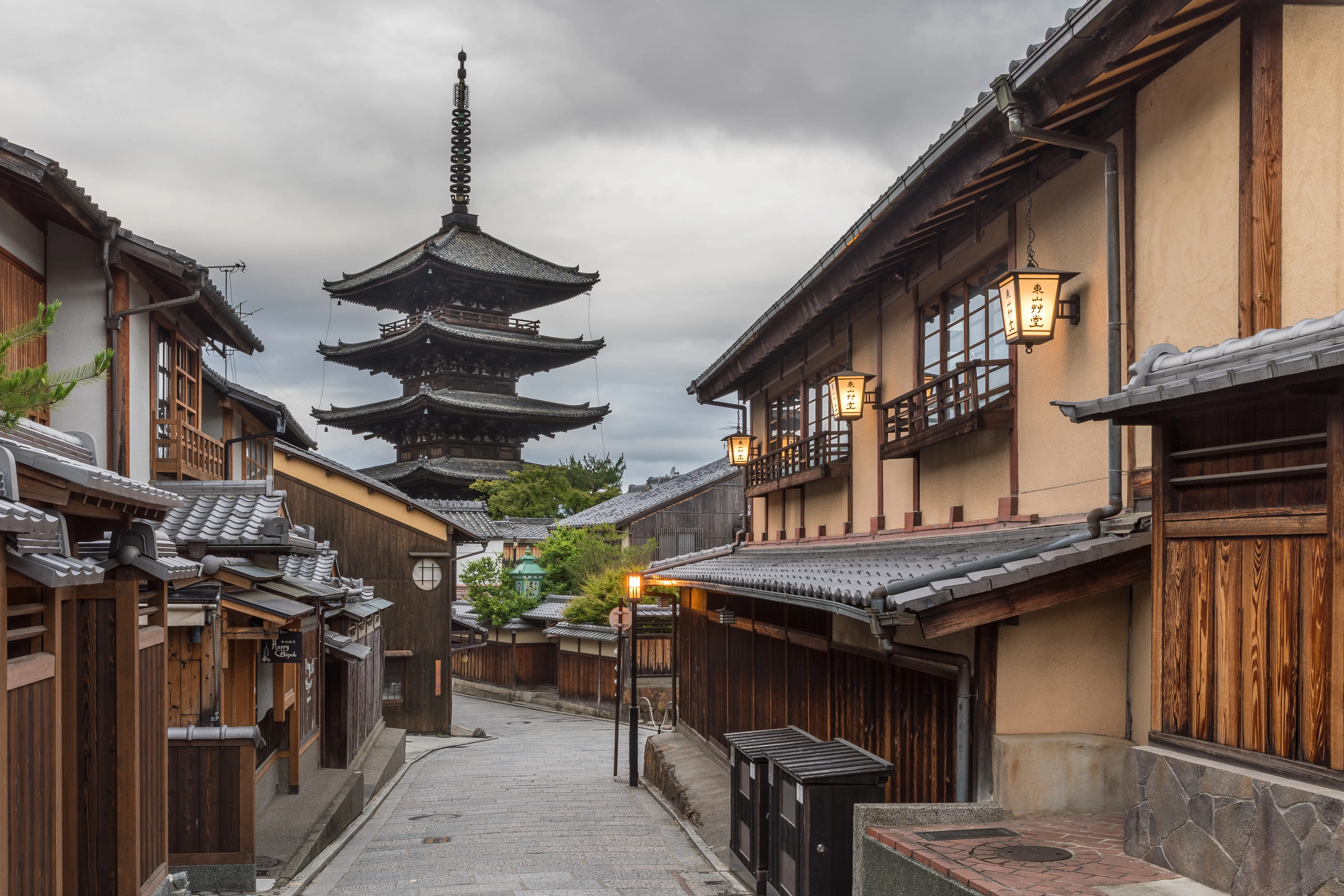
- Walking in Higashiyama and Gion — The atmospheric eastern hillside district rewards slow exploration on foot. Thread through ninenzaka and sannenzaka stone-paved lanes, duck into incense shops, and watch for maiko (apprentice geisha) heading to evening engagements in Gion
- JR trains — The JR Sagano line reaches Arashiyama in 15 minutes from Kyoto Station, and the JR Nara line connects to Fushimi Inari (2 stops, 5 minutes). If you hold a Japan Rail Pass, these trips are free
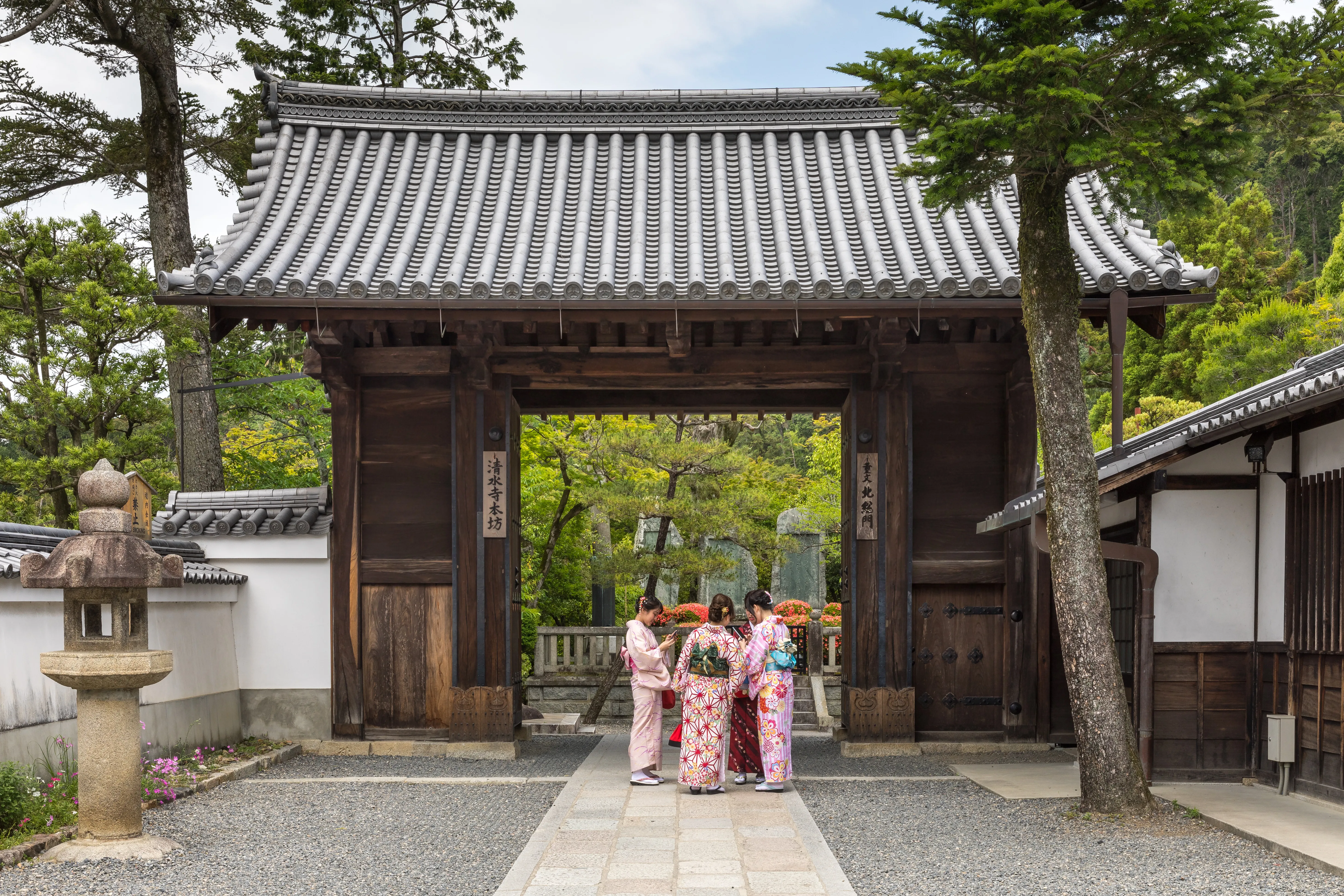
- Temple etiquette — Remove shoes before entering any building (carry a plastic bag for them), bow at the main gate, speak quietly in prayer halls, and follow photography rules posted at each site. Guides handle these nuances seamlessly
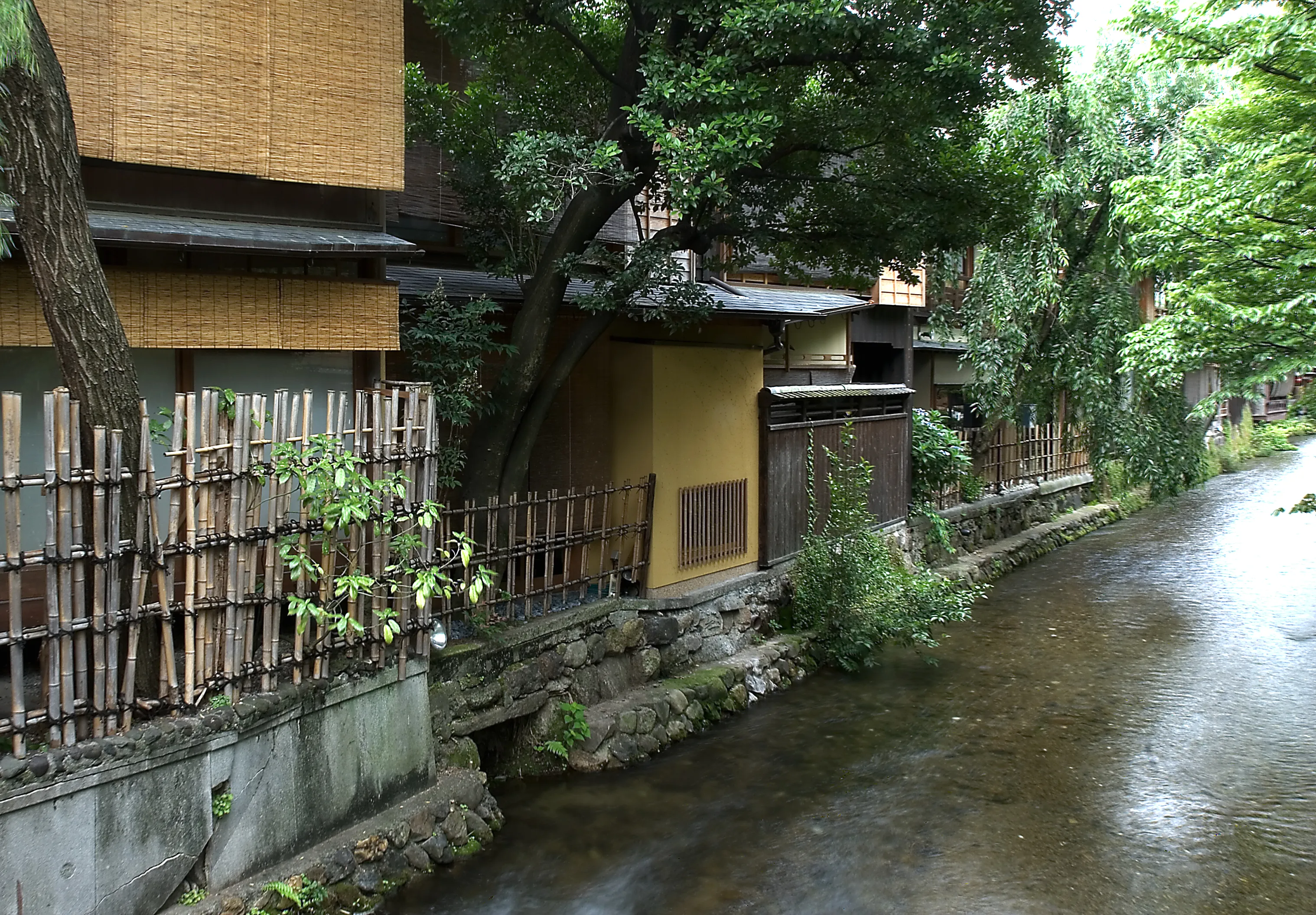
Kyoto in Pictures
Frequently Asked Questions
How many days do you need in Kyoto?
Three days lets you see Kyoto without rushing its temples. Start at dawn with the thousands of vermilion torii gates of Fushimi Inari before the crowds, then pair the Golden Pavilion of Kinkaku-ji with the bamboo grove of Arashiyama on the western side. A second day follows the eastern Higashiyama hills — Kiyomizu-dera, the Philosopher's Path, and an evening in Gion hoping to glimpse a geiko. Reserve a third day for a tea ceremony and the Zen gardens of Daitoku-ji, or a side trip to neighbouring Nara and its deer park.
What is the best time to visit Kyoto?
Cherry blossoms/fall: Peak seasons are spectacular but extremely crowded. Best months: March-May or October-November for weather and colors.
How much does a tour guide cost in Kyoto?
Group Temple Tours: ¥4,000-6,000 ($30-45 per person). Tea Ceremony: ¥3,000-8,000 ($22-60 with guide). Half-Day Private: ¥25,000-40,000 ($185-295). Full-Day Private: ¥50,000-75,000 ($370-555)
How do you get around Kyoto?
Temple etiquette: Remove shoes, bow at gates, speak quietly. Early mornings essential: Major sites mobbed after 9 AM. Day pass: The combined bus + subway 1-day pass (¥1,100) is the best value for visiting multiple temples.