

Overview
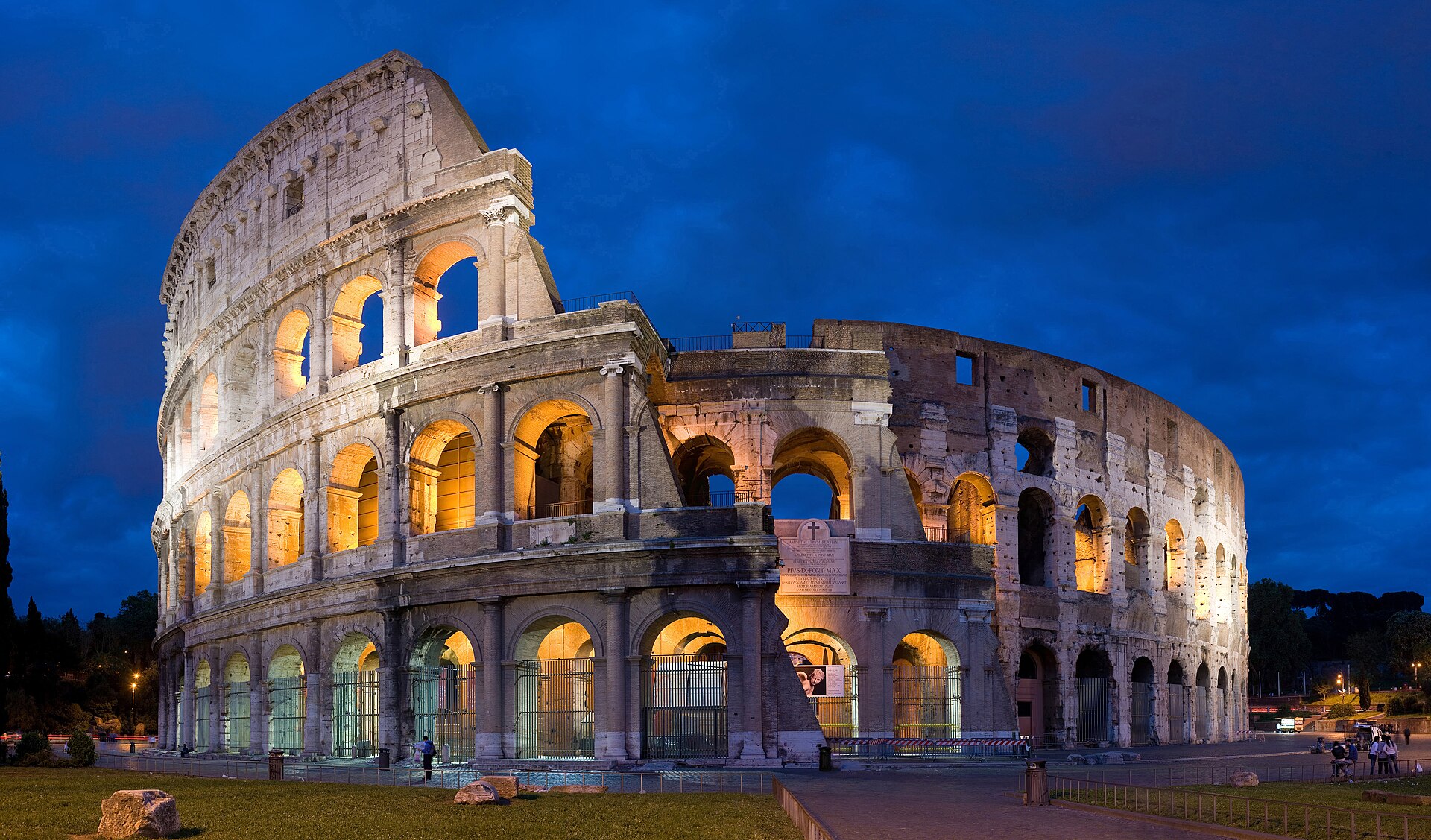
Built between 70 and 80 AD under Emperors Vespasian and Titus, the Colosseum is ancient Rome's largest amphitheater, holding 50,000-80,000 spectators for gladiator battles, animal hunts, and mock naval battles. This UNESCO World Heritage Site with its complex underground hypogeum (tunnel system) is the world's most iconic Roman monument. Down in the underground hypogeum, a system of 80 vertical shafts and trap doors launched wild animals directly onto the arena floor, while elaborate stage machinery allowed rapid set changes between spectacles. On the reconstructed arena platform, the seating hierarchy from emperor to commoner illustrates how Roman social order was literally built into the architecture. Walk to the Roman Forum next door, or combine with the Vatican Museums for a full Rome day.
Architecture
The arena floor is where gladiators fought, now partially reconstructed to allow visitors to stand at the center. The underground hypogeum reveals tunnels for animals and machinery -- 80 vertical lifts could raise wild beasts onto the arena floor simultaneously. The upper levels offer panoramic views over the Roman Forum and Palatine Hill. The exterior facade rises 48 meters in four stories of Doric, Ionic, and Corinthian columns -- a textbook demonstration of the classical orders. The structure used an estimated 100,000 cubic meters of travertine limestone, held together by 300 tonnes of iron clamps rather than mortar.
Historical Significance
Commissioned by Emperor Vespasian in 70 AD and completed by his son Titus in 80 AD, the Flavian Amphitheatre was built on the site of Nero's private lake -- a deliberate act of returning imperial excess to public use. The inaugural games lasted 100 days and are said to have involved 9,000 wild animals. For nearly four centuries, the arena hosted gladiatorial combat, wild beast hunts (venationes), public executions, and dramatic re-enactments of mythological tales. After the fall of Rome, the Colosseum was quarried for building materials -- much of St. Peter's Basilica was built with its stone. The structure survived earthquakes, fires, and centuries of neglect to become the symbol of Rome itself.
When to Visit
Daily: 9 AM - one hour before sunset (varies seasonally). Last entry: one hour before closing. Closed: January 1, December 25. Best time: early morning (9-10 AM) or late afternoon.
Admission and Costs
Standard ticket: €18 (includes Forum and Palatine Hill). Underground plus Arena: €22 (must book separately). Guided tour: €50-70 per person with skip-the-line. Private guide: €250-400 for up to 6 people.
Tips for Visitors
The combined ticket includes the Roman Forum and Palatine Hill -- plan 3-4 hours for all three. Bring water: Rome fountains (nasoni) provide free refills. Sun protection is essential as there is little shade inside. Skip-the-line access saves 1-2 hours of waiting. Underground access requires a special tour booked separately. The Vatican Museums make a natural second half of the day.