

Overview
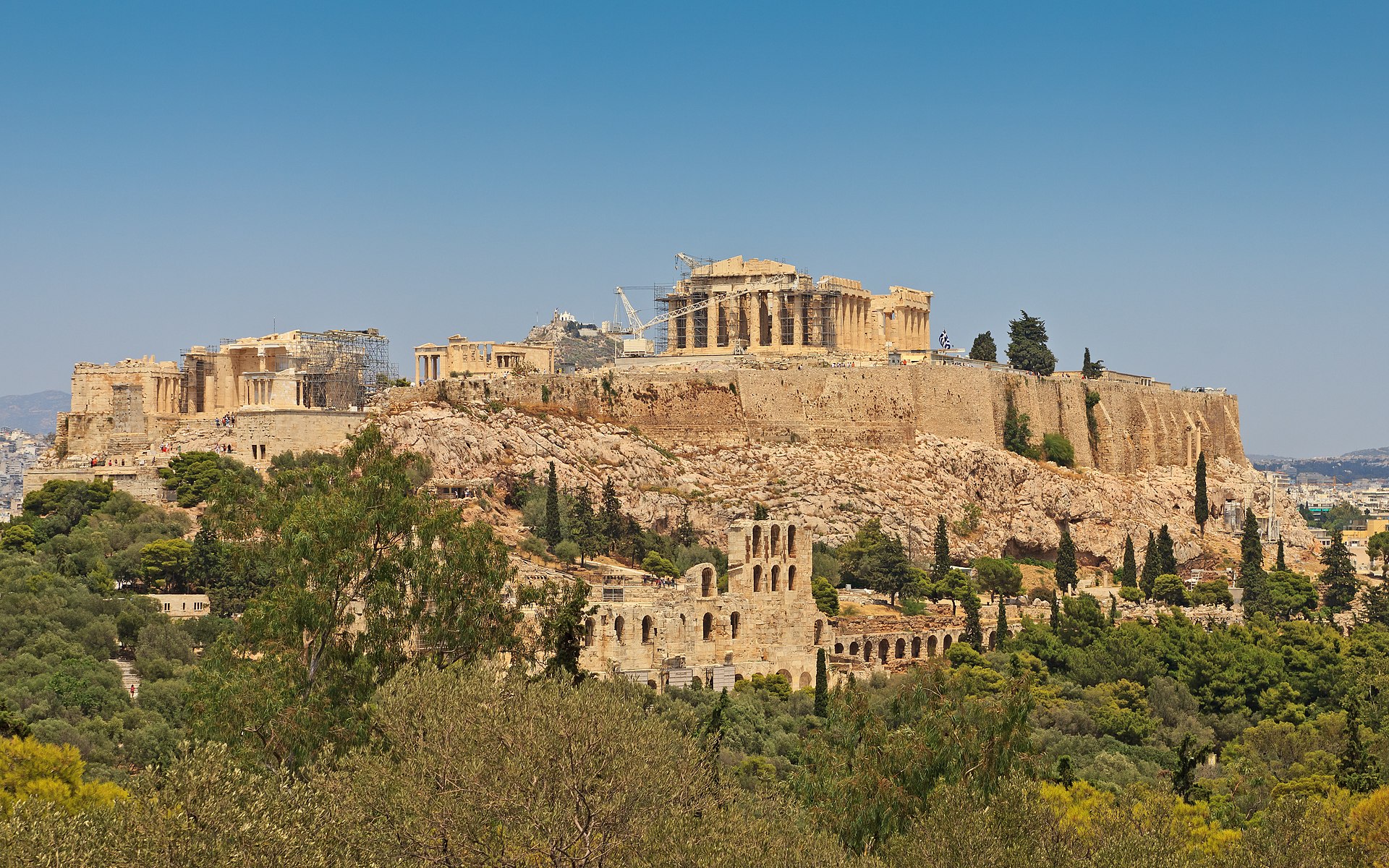
The Acropolis, a UNESCO World Heritage Site, has towered over Athens for 2,500 years. This sacred rock hosts some of the finest examples of Classical Greek architecture, including the Parthenon temple dedicated to Athena. Built in 447-432 BC under Pericles, these monuments represent the pinnacle of ancient Greek civilization and continue to inspire architects and artists worldwide. Nearby, the Acropolis Museum houses the original sculptures and artifacts found on this hill, while the historic neighborhood of Plaka sprawls at its base.
Historical Significance
The Acropolis has witnessed 25 centuries of continuous history, from the Golden Age of Pericles to Ottoman occupation and the Greek War of Independence. The site was the religious and civic heart of ancient Athens, where the Panathenaic procession wound its way up to honor Athena. During the Persian Wars of 480 BC, the original temples were destroyed, prompting the ambitious rebuilding program under Pericles that produced the structures visible today. The Parthenon later served as a Christian church, an Ottoman mosque, and an ammunition store before Lord Elgin controversially removed many of its marble sculptures in the early 1800s.
Architecture
The Parthenon is Athena's temple, built with subtle curves known as entasis that create an illusion of optical perfection. The Erechtheion features the Porch of the Caryatids, six maiden columns supporting the roof. The Propylaia served as the grand entrance gateway and every ancient visitor's first impression. The Temple of Athena Nike is a smaller temple celebrating the victory over the Persians. The Theatre of Dionysus, where Greek tragedy and comedy were born, seats 17,000 spectators, while the Odeon of Herodes Atticus is a Roman theater that still hosts concerts today. From the summit, panoramic views reveal Athens spread below with the Aegean Sea visible on clear days.
When to Visit
Hours: April-October: 8 AM-8 PM | November-March: 8 AM-5 PM. Best time: first entry at 8 AM for cooler temperatures, soft morning light, and fewer crowds. Least crowded: weekdays in winter, late afternoon (but watch closing times). Photography: early morning for east-facing shots, late afternoon for golden hour. Avoid midday June-August when temperatures exceed 35°C on exposed marble with no shade.
Admission and Costs
Acropolis only: €20 (April-October) | €10 (November-March). Combined ticket: €30 covering 7 sites (Ancient Agora, Roman Forum, and more), valid 5 days. Free entry: March 25, October 28, first Sunday Nov-March. Group guided tours: €40-60 per person (skip-line access plus expert guide, 2-3 hours). Private guide: €200-350 for up to 6 people (does not include tickets). Acropolis plus Acropolis Museum combo: €55-80 per person (guided, 4-5 hours).
Tips for Visitors
Wear good shoes: smooth marble is slippery, especially in rain, so leave the heels behind. Bring water: 1 liter minimum per person, with a small kiosk at the entrance. Sun protection (hat, sunglasses, sunscreen) is mandatory since there is zero shade. Arrive 30 minutes before opening to beat tour buses and cruise groups. Mobility note: steep incline, uneven surfaces, and 150m elevation gain make this challenging for wheelchairs. Restrooms are only at the entrance and exit, so plan ahead. Allow 2-3 hours and do not rush -- this is a once-in-a-lifetime experience. Combine with the Acropolis Museum afterward for context on the original sculptures.